No Result
View All Result
  • Login
Friday, July 10, 2026
FeeOnlyNews.com
  • Home
  • Business
  • Financial Planning
  • Personal Finance
  • Investing
  • Money
  • Economy
  • Markets
  • Stocks
  • Trading
  • Home
  • Business
  • Financial Planning
  • Personal Finance
  • Investing
  • Money
  • Economy
  • Markets
  • Stocks
  • Trading
No Result
View All Result
FeeOnlyNews.com
No Result
View All Result
Home Startups

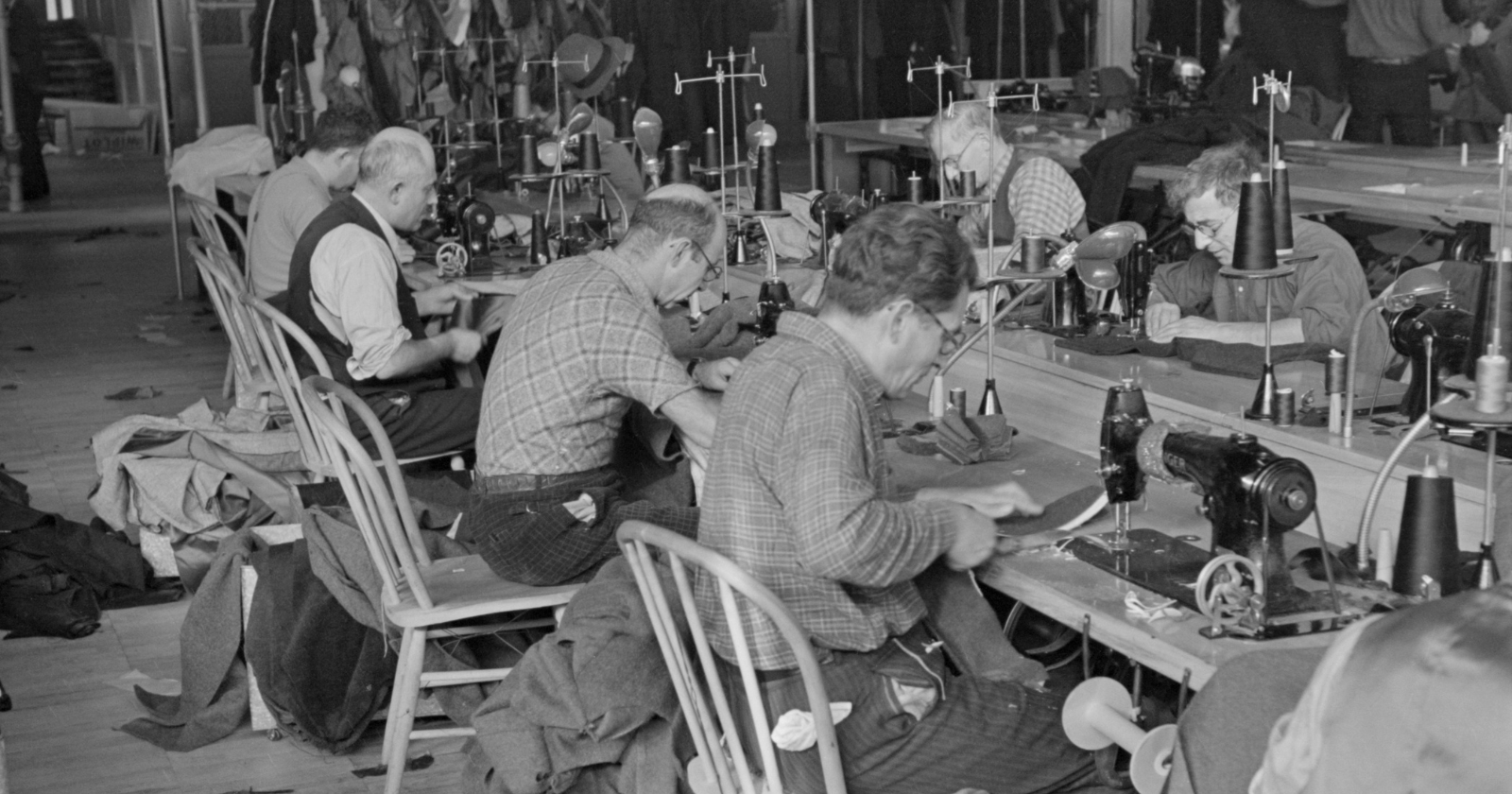
Research suggests the postwar decades produced workers who could delay gratification for years at a time — not because they were wiser than younger generations but because the reward at the end was real and they’d seen it happen with their own eyes

by FeeOnlyNews.com
3 months ago
in Startups
Reading Time: 5 mins read
A A
0
Research suggests the postwar decades produced workers who could delay gratification for years at a time — not because they were wiser than younger generations but because the reward at the end was real and they’d seen it happen with their own eyes
Share on FacebookShare on TwitterShare on LInkedIn


I watched my father leave the house at the same time every morning for close to thirty years. Same briefcase, same route, same company. He worked in sales management, and even on the days I could tell he was frustrated or exhausted, he never questioned whether the grind was worth it. He just kept going.

I thought about him recently while watching a video breaking down the psychology behind why boomers approach work the way they do. It made a point that stuck with me: the postwar generation didn’t just believe in hard work as some abstract value. They believed in it because the system actually delivered on its promises. And that changes everything about how we understand the disconnect between generations today.

Here’s what I took away from it, mixed with a few things I’ve learned the hard way myself.

1) The reward at the end used to be real

This is where the whole conversation should start, and honestly, where most of it falls apart when people skip over it.

Boomers entered the workforce with something that barely exists anymore: a reliable deal. You show up, you stay loyal, you work hard, and in return, the company gives you stability. Pensions were standard. A single income could cover a mortgage. Promotions came to those who waited their turn.

That deal held up for a lot of people. So when someone from that generation says “just work hard and you’ll be fine,” they’re not making it up. They lived it.

The problem is that the deal collapsed. Younger generations watched their parents get laid off after decades of loyalty. I watched it happen to my own father, who got passed over for promotions more than once despite doing everything he was supposed to do. That shaped how I think about meritocracy to this day. It taught me early that playing by the rules doesn’t always mean the rules play fair with you.

So when a twenty-something rolls their eyes at the “just pay your dues” speech, it’s not because they’re lazy. It’s because the dues don’t come with the same guarantees anymore.

2) Endurance became its own kind of currency

Here’s something that’s hard to sit with but important to understand.

A lot of boomers genuinely suffered at work. Long hours, difficult bosses, no flexibility, no mental health days. And instead of anyone questioning whether that was healthy, the suffering itself got rewarded. Promotions came. Stability came. The house, the pension, the retirement plan. All of it validated the pain.

Psychologists have a term for this: effort justification. When you sacrifice a huge amount for something, your brain inflates the value of what you got in return. You almost need to believe it was worth it because the alternative is admitting you endured all of that for nothing.

I recognized a version of this in myself a few years ago. I went through a stretch where I was pulling brutal hours, running on caffeine, convincing myself that pushing through was a strength. It took a while to realize that my “I’m fine, I can handle it” attitude wasn’t resilience. It was burnout culture I’d internalized without noticing.

So when a boomer watches someone set a boundary at work or log off at five, it can feel like an insult to everything they went through. They’re not being cruel on purpose. They’re protecting a narrative their brain built to make sense of decades of sacrifice.

3) The job title became the identity

Have you ever noticed that when you ask someone from an older generation about themselves, the first thing they mention is what they do for a living?

That’s not a coincidence. Boomers grew up in an era where your profession defined your social standing, your worth in the community, and often your sense of self. Psychologists call this work centrality, and for that generation, it runs deep.

If you haven’t seen the video I mentioned earlier, this is where it gets really interesting. It connects this idea of identity being tied to work with something most people don’t talk about: the fear of irrelevance. When your whole sense of self is built around your career, what happens when the world starts moving on without you? The video digs into that with more nuance than I can cover here, and it’s worth the watch if this resonates with you at all.

I dated someone once whose entire personality was his startup. Every conversation circled back to growth metrics and hustle culture. It was that relationship that made me realize how much I’d been doing the same thing in a quieter way. Using deadlines and busyness as a shield against actually figuring out who I was beyond my byline.

4) They weren’t tougher, they were trained differently

“Just push through it.”

If you’ve heard that from an older colleague or family member, it probably felt dismissive. But here’s the thing: for many boomers, that’s genuinely the only coping strategy they were ever given.

They were raised in a psychological culture that treated vulnerability as weakness. Therapy was stigmatized. Complaining about work meant you couldn’t hack it. Emotional suppression wasn’t just common; it was expected.

Research tells us that long-term emotional suppression doesn’t make stress go away. It redirects it into health problems, strained relationships, and quiet resentment. The “toughness” that gets romanticized was often survival, not wisdom.

I think about this when I remember how long it took me to actually seek help for anxiety. I’d been dealing with it since my early twenties but didn’t see a therapist until a panic attack during a deadline crunch forced the issue. I’d absorbed the same message so many of us do: that pushing through is what strong people do. Turns out, strong people also ask for help. It just took me longer than it should have to figure that out.

5) What’s really sitting underneath the lectures

This might be the most important piece of all, and it’s the one that shifted how I hear these conversations now.

When a boomer lectures you about work ethic, part of it is genuine conviction. They truly believe in the values that shaped them. But underneath that, there’s often something quieter and more vulnerable: a fear that the world has moved past them.

Technology reshaped entire industries. Skills that took decades to build are being automated. The rules they followed no longer guarantee the outcomes they once did. When someone from that generation pushes back on how younger workers approach their careers, some of it is values. But some of it is self-protection.

Understanding that doesn’t mean you have to agree with everything they say. But it might change how their words land. And in my experience, when you approach these conversations with a little more curiosity and a little less defensiveness, something opens up on both sides.

Final thoughts

The generational divide around work isn’t really about who’s lazy and who’s tough. It’s about two groups of people shaped by completely different environments trying to communicate using the same words but meaning entirely different things.

Boomers aren’t wrong for valuing hard work. Younger generations aren’t wrong for demanding that work respects their time and wellbeing. The friction comes from assuming the other side just doesn’t get it, when really, both sides are operating from experiences that made perfect sense in their own context.

The smartest move isn’t picking a side. It’s understanding what shaped both.



Source link

Tags: decadesdelayeyesgenerationsGratificationHappenPostwarproducedRealResearchrewardSuggeststheydTIMEwiserWorkersYearsYounger
ShareTweetShare
Previous Post

Macro buffers to help India tide over Gulf crisis: World Bank

Next Post

How to Use Miles to Upgrade a Flight

Related Posts

The Real Reason Your Content Sounds Generic, and Why AI Isn’t the Problem

The Real Reason Your Content Sounds Generic, and Why AI Isn’t the Problem

by FeeOnlyNews.com
July 9, 2026
0

The most common question organizations are asking right now is some version of this: How do we make our AI-generated...

Bond Vet and Small Door Merge to Form One of the Nation’s Largest Premium Veterinary Networks – AlleyWatch

Bond Vet and Small Door Merge to Form One of the Nation’s Largest Premium Veterinary Networks – AlleyWatch

by FeeOnlyNews.com
July 9, 2026
0

Bond Vet and Small Door Veterinary, two New York-founded providers of premium pet care, have finalized a merger that creates...

When British firms trialled a four-day week for the same pay, the real surprise was not output but the people: burnout fell for 71 percent of staff, and nearly nine in ten companies kept the shorter week long after the trial ended

When British firms trialled a four-day week for the same pay, the real surprise was not output but the people: burnout fell for 71 percent of staff, and nearly nine in ten companies kept the shorter week long after the trial ended

by FeeOnlyNews.com
July 9, 2026
0

In Britain’s biggest four-day-week trial, 71 percent of employees said they felt less burnt out by the end. That figure,...

Stepful Raises M to Break Healthcare’s B Dependence on Contract Staffing – AlleyWatch

Stepful Raises $55M to Break Healthcare’s $97B Dependence on Contract Staffing – AlleyWatch

by FeeOnlyNews.com
July 8, 2026
0

America’s healthcare labor shortage has hardened into a structural crisis: health systems now spend $97B annually on contract and agency...

You blame Visa and Mastercard for the swipe fee, but they keep almost none of it — the fat cut, called interchange, flows straight to the bank that issued your card, and it barely exists in the countries that built their own payment rails

You blame Visa and Mastercard for the swipe fee, but they keep almost none of it — the fat cut, called interchange, flows straight to the bank that issued your card, and it barely exists in the countries that built their own payment rails

by FeeOnlyNews.com
July 8, 2026
0

When a Visa-branded card taps a terminal at a Manhattan bodega and the customer walks out with a $4 coffee,...

Thought of the day by Stoic philosopher Seneca: “The wise man is self-sufficient. Nevertheless, he desires friends, neighbours, and associates, no matter how much he is sufficient unto himself.”

Thought of the day by Stoic philosopher Seneca: “The wise man is self-sufficient. Nevertheless, he desires friends, neighbours, and associates, no matter how much he is sufficient unto himself.”

by FeeOnlyNews.com
July 7, 2026
0

When I first arrived in Vietnamm more than a decade ago, my calendar filled up fast. There was a big...

Next Post
How to Use Miles to Upgrade a Flight

How to Use Miles to Upgrade a Flight

When Cyber Insurance Meets Cyber War, Coverage Becomes Conditional

When Cyber Insurance Meets Cyber War, Coverage Becomes Conditional

  • Trending
  • Comments
  • Latest
House backs an emergency brake on elder fraud

House backs an emergency brake on elder fraud

June 26, 2026
Entry-Level Rentals Are Disappearing—Here’s How Landlords Can Fill the Gap

Entry-Level Rentals Are Disappearing—Here’s How Landlords Can Fill the Gap

June 18, 2026
Iran war cost U.S. households ,000 each, top economist says

Iran war cost U.S. households $1,000 each, top economist says

July 1, 2026
Trump claims Iran deal is ‘unconditional surrender’: Axios

Trump claims Iran deal is ‘unconditional surrender’: Axios

June 18, 2026
Strait Outta Hormuz: Getting the Iran Oil Story Straight

Strait Outta Hormuz: Getting the Iran Oil Story Straight

June 12, 2026
Anxious parents are paying ,000 for career coaches years before their kids graduate from college

Anxious parents are paying $15,000 for career coaches years before their kids graduate from college

April 19, 2026
Kalshi traders see roughly 50% odds of a rate hike in 2026 as Fed is split on policy

Kalshi traders see roughly 50% odds of a rate hike in 2026 as Fed is split on policy

0
Fed minutes expose deep divide over interest-rate outlook

Fed minutes expose deep divide over interest-rate outlook

0
The American Dream Now Comes With An 0 Monthly Car Payment

The American Dream Now Comes With An $800 Monthly Car Payment

0
Bitget Launches New CFD Copy Trading Features & Tiered Margin Framework

Bitget Launches New CFD Copy Trading Features & Tiered Margin Framework

0
The Medicare Form Mistake That Can Delay Your Part B Coverage—And How to Avoid It

The Medicare Form Mistake That Can Delay Your Part B Coverage—And How to Avoid It

0
Rs 5 lakh crore wealth boost! Top 5 factors fuelling today’s 800-point Sensex rally

Rs 5 lakh crore wealth boost! Top 5 factors fuelling today’s 800-point Sensex rally

0
The American Dream Now Comes With An 0 Monthly Car Payment

The American Dream Now Comes With An $800 Monthly Car Payment

July 10, 2026
Rs 5 lakh crore wealth boost! Top 5 factors fuelling today’s 800-point Sensex rally

Rs 5 lakh crore wealth boost! Top 5 factors fuelling today’s 800-point Sensex rally

July 10, 2026
Bitget Launches New CFD Copy Trading Features & Tiered Margin Framework

Bitget Launches New CFD Copy Trading Features & Tiered Margin Framework

July 9, 2026
Will Trump’s ‘Freedom Fuel’ Lower Prices as Drivers Rage at Pump Pain?

Will Trump’s ‘Freedom Fuel’ Lower Prices as Drivers Rage at Pump Pain?

July 9, 2026
How Wells Fargo keeps advisors by letting them go independent

How Wells Fargo keeps advisors by letting them go independent

July 9, 2026
Don’t Throw Away This Medicare Letter—It Could Change Your Coverage Next Year

Don’t Throw Away This Medicare Letter—It Could Change Your Coverage Next Year

July 9, 2026
FeeOnlyNews.com

Get the latest news and follow the coverage of Business & Financial News, Stock Market Updates, Analysis, and more from the trusted sources.

CATEGORIES

  • Business
  • Cryptocurrency
  • Economy
  • Financial Planning
  • Investing
  • Market Analysis
  • Markets
  • Money
  • Personal Finance
  • Startups
  • Stock Market
  • Trading

LATEST UPDATES

  • The American Dream Now Comes With An $800 Monthly Car Payment
  • Rs 5 lakh crore wealth boost! Top 5 factors fuelling today’s 800-point Sensex rally
  • Bitget Launches New CFD Copy Trading Features & Tiered Margin Framework
  • Our Great Privacy Policy
  • Terms of Use, Legal Notices & Disclaimers
  • About Us
  • Contact Us

Copyright © 2022-2024 All Rights Reserved
See articles for original source and related links to external sites.

Welcome Back!

Sign In with Facebook
Sign In with Google
Sign In with Linked In
OR

Login to your account below

Forgotten Password?

Retrieve your password

Please enter your username or email address to reset your password.

Log In
No Result
View All Result
  • Home
  • Business
  • Financial Planning
  • Personal Finance
  • Investing
  • Money
  • Economy
  • Markets
  • Stocks
  • Trading

Copyright © 2022-2024 All Rights Reserved
See articles for original source and related links to external sites.