Add Silicon Canals to your Google News feed. 
“Wait, you just walked out of the house and your parents had no idea where you were?”
My colleague’s eyes widened as I casually mentioned spending entire summer days roaming the neighborhood with friends when I was eight. No mobile phones. No scheduled check-ins. Just a general understanding that we’d be home when the streetlights came on.
Growing up in the 70s outside Manchester felt completely normal at the time. It’s only through conversations with younger colleagues and friends that I’ve realized just how different childhood was back then. These weren’t just small differences either: they were fundamental shifts in how kids experienced the world.
The more I’ve reflected on these conversations, the more I’ve understood why different generations sometimes struggle to understand each other. We literally grew up in different worlds. And while nostalgia can make us romanticize the past, there’s value in understanding what shaped us and what’s been lost along the way.
1) We disappeared for entire days without anyone panicking
Summer mornings started the same way: breakfast, then out the door by 9 AM. Where were we going? Our parents had a vague idea, “playing with friends” covered everything from building dens in the woods to cycling to the next town over.
The rule was simple: be home for dinner. That was it.
No tracking apps. No hourly texts. No predetermined routes or approved locations. We navigated our world through trial and error, getting lost occasionally but always finding our way back. One friend recently told me she can’t let her kids play in the front garden without watching them. The contrast is staggering.
Were there risks? Of course. But we learned to assess danger ourselves, to trust our instincts, and to problem-solve without immediate adult intervention. When I fell off my bike miles from home, I figured out how to get back with a twisted ankle. No calling for a pickup. No panic. Just determination and a very slow walk home.
2) Television had actual endings
Remember when TV just… stopped?
After the national anthem played around midnight, you got static. That was it. Show over. Nothing until morning. Younger friends look at me like I’m describing life before electricity when I mention this.
We had three channels. Three. And if you missed your show, you missed it. No catch-up, no streaming, no YouTube clips. You either watched it when it aired or hoped for a repeat months later.
This scarcity made television an event. The whole family gathered for certain programs because that was your only chance. I remember the negotiations over what to watch, the genuine excitement when your favorite show came on. Television shaped our schedules rather than the other way around.
The constant availability of entertainment today seems liberating, but sometimes I wonder if we’ve lost something in the process. The anticipation. The shared cultural moments. The ability to be genuinely bored.
3) We learned about the adult world by accident
There was no kids’ internet. No parental controls. No carefully curated content. If you wanted to know something inappropriate for your age, you had to work for it.
I learned about politics by sitting quietly while my father and his factory colleagues discussed union business in our kitchen. Nobody explained things to me, I just absorbed what I could understand. These overheard conversations gave me an education no school could provide about how power actually works, how regular people organize, and why working folks got angry about economic policies.
Information came through fragments: an older sibling’s magazine hidden under a bed, graffiti on bathroom walls, whispered playground rumors that were usually hilariously wrong. We pieced together our understanding of the adult world like archaeologists reconstructing pottery shards.
Was this ideal? Probably not. But it taught us to be observant, to read between lines, to figure things out for ourselves.
4) Boredom was just part of life
“I’m bored” wasn’t a problem to be solved. It was just a state of being.
Sunday afternoons stretched endlessly. Shops were closed. Nothing on TV. No internet to browse. You could read a book, go for a walk, or stare at the ceiling. Those were basically your options.
We became creative out of necessity. A stick became a sword, then a gun, then a walking cane for an imaginary expedition. Empty cardboard boxes transformed into spaceships, castles, racing cars. Our imaginations had to work overtime because ready-made entertainment wasn’t constantly available.
I’ve mentioned this before, but in Daniel Kahneman’s “Thinking, Fast and Slow,” he discusses how our minds need downtime to process information and form connections. We had that in abundance. Today’s constant stimulation might be robbing kids of this crucial mental processing time.
5) Adults were mysterious, distant figures
Teachers had first names? Parents had dreams and fears? These concepts didn’t exist in our world.
Adults were adults: a separate species with incomprehensible concerns about mortgages and politics. They didn’t try to be our friends. They didn’t share their feelings. They certainly didn’t ask for our opinions on family decisions.
This distance created clear boundaries but also genuine mystery. I remember the shock of seeing my teacher in the supermarket, they existed outside school? Revolutionary. Parents were parents, not people trying to be cool or relatable. They had their world; we had ours.
The democratization of family life has benefits, sure. But that clear hierarchy also provided security. We knew where we stood. We knew the rules. We didn’t have to navigate the complexity of being our parents’ emotional support.
6) Privacy was absolute
Your embarrassing moments died with the handful of witnesses present.
That time I spectacularly failed at asking a girl out? Only five people knew. No screenshots. No viral videos. No permanent digital record. Mistakes could be forgotten, allowing us to reinvent ourselves each school year.
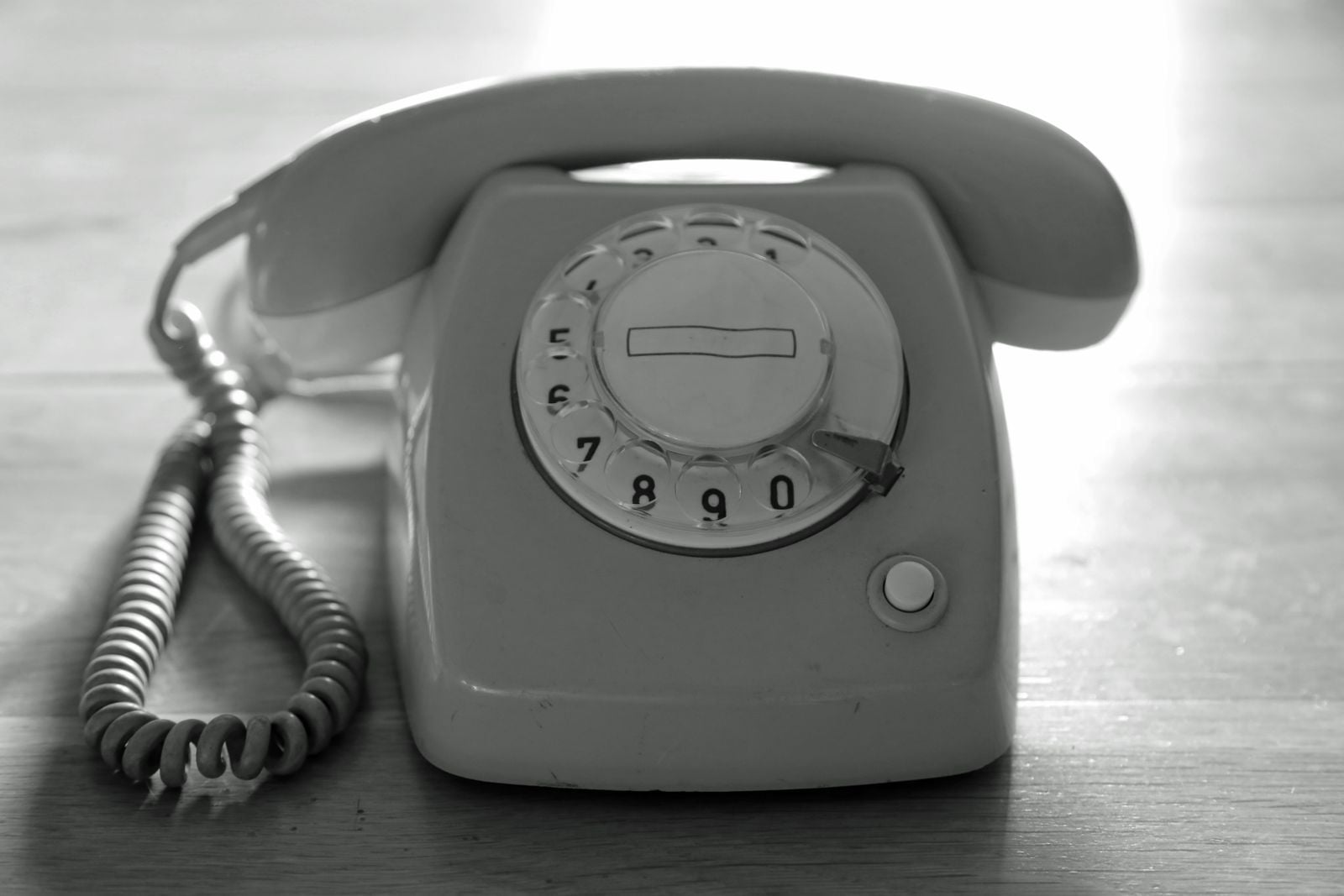
We kept diaries with tiny locks, believing those flimsy barriers actually protected our secrets. Phone calls happened in hallways where everyone could hear. Privacy was physical: your room, your diary, your thoughts. Once you left a space, you left no digital footprint behind.
This allowed for genuine fresh starts. Moving schools meant completely reinventing yourself if you wanted. Your past didn’t follow you through tagged photos and social media histories.
7) We had one chance at everything
Missed that goal in the important match? No video replay to analyze. Forgot to watch the moon landing documentary for homework? Too bad.
Life felt more immediate because everything was happening once, in real-time, without the safety net of recordings or do-overs. School photos came once a year, if you blinked, that was your official record until next year. Concerts were experienced, not filmed. Holidays were remembered through a handful of photos that took weeks to develop.
This made us present in ways I don’t see much anymore. You paid attention because you couldn’t rewatch later. You remembered because there was no external hard drive storing memories for you.
8) Money was physical and finite
When your pocket money was gone, it was gone.
No instant transfers from parents. No overdrafts. No buy-now-pay-later schemes. You learned to budget because when you spent your last 50p on sweets, that was it until next week.
I watched my father count out cash for bills, physically dividing his wages into envelopes marked “rent,” “electric,” “food.” When the envelope was empty, that category was done for the month. The abstraction of digital money has made financial literacy harder, not easier, for many kids today.
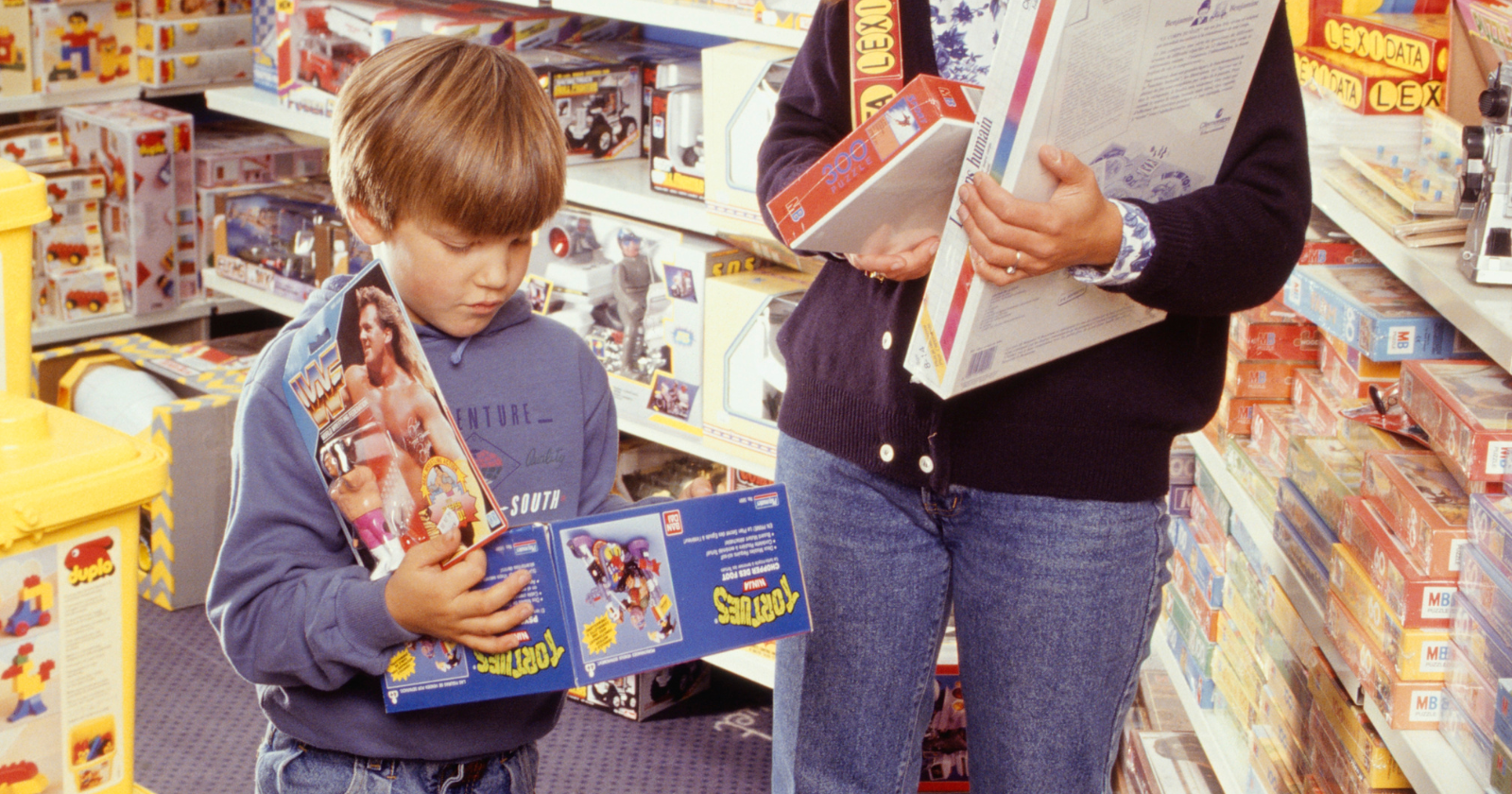
We learned value through scarcity. That toy you wanted meant saving for months, watching your jar of coins slowly grow. The anticipation and eventual purchase felt monumental in ways instant gratification never can.
The bottom line
I’m not saying the 70s were better. They weren’t. We’ve gained incredible things: connection, safety, information, opportunities.
But understanding these differences helps explain why generations sometimes talk past each other. We’re not just separated by years; we’re separated by fundamentally different childhood experiences that shaped how we see the world.
When older folks bemoan kids today being “soft,” they’re missing the point. When younger people roll their eyes at boomer nostalgia, they’re missing it too. We’re all products of our time, shaped by the constraints and freedoms of our particular moment in history.
What strikes me most is how adaptable humans are. Kids thrived then; kids thrive now. The tools change, the challenges evolve, but the fundamental experience of growing up, figuring out who you are, where you fit, what matters, remains remarkably constant.
Maybe that’s the real lesson. Not that one way was better, but that every generation finds its way forward with the tools available. We just happened to have very different toolboxes.