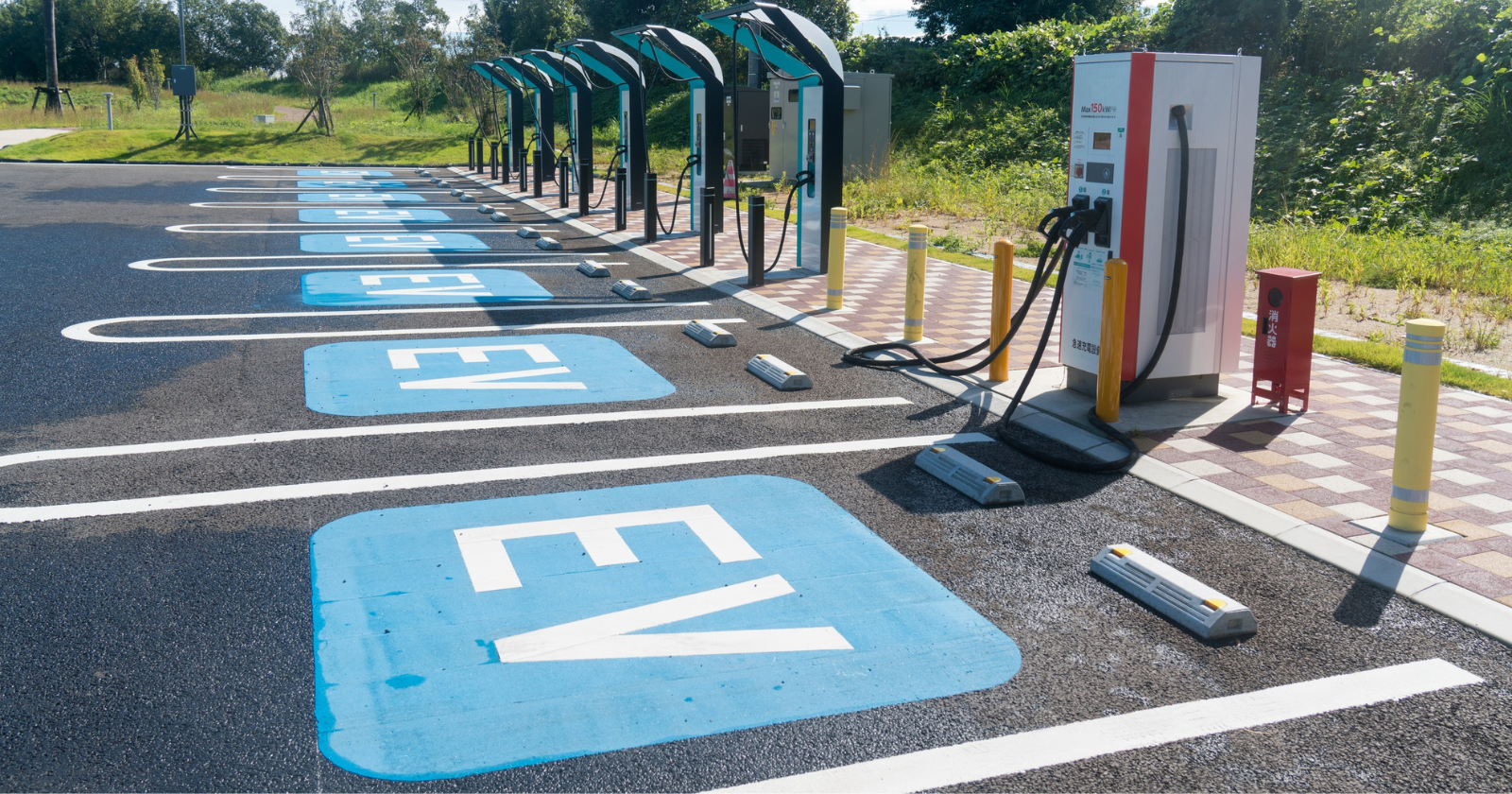
A 600-mile road trip from the northeastern United States to Montreal has become the latest data point in a broader shift: the American fast-charging network, long the biggest obstacle to electric-vehicle adoption, has quietly stopped being terrible. According to TechCrunch senior climate reporter Tim De Chant, three 20-minute charging sessions in an Audi e-tron — a vehicle with only about 220 miles of range — were enough to complete the journey without a single service call, a stark reversal from a comparable 2023 trip that required three calls to customer support and multiple broken stalls.
The numbers behind the anecdote
The infrastructure story underneath the road trip is significant. U.S. DC fast chargers have grown from roughly 32,000 in July 2023 to more than 64,000 today, per the Joint Office of Energy and Transportation — a doubling in three years. Reliability has moved in parallel: Paren’s reliability index, which tracks successful charging sessions and station downtime, has climbed from 85 to the mid-90s in the past year alone.
Tesla’s network remains dominant, but the 2024 decision to open Superchargers to non-Tesla drivers structurally reshaped the competitive landscape. Rival networks — Rivian’s Adventure Network, Electrify America, EVgo, and Canada’s Circuit Électrique — now compete on uptime rather than on captive customer bases.
Why the perception gap persists
The improvement has not yet translated into consumer confidence. AAA’s 2025 survey found that only 16 per cent of U.S. adults describe themselves as likely to purchase a fully electric vehicle as their next car — the lowest figure recorded since 2019. The share saying they are unlikely to buy one rose from 51 per cent to 63 per cent year-over-year.
Fifty-six per cent of respondents cited a lack of convenient public charging as a key concern, and 57 per cent believed EVs were unsuitable for long-distance travel. Both perceptions are increasingly at odds with the infrastructure data — a structural lag between physical reality and consumer sentiment that automakers, utilities, and charging operators have not managed to close.
The economic incentives shaping the network
The rapid improvement in reliability is not an accident of engineering. Federal NEVI funding, competitive pressure from Tesla’s opened network, and consolidation among charging operators have aligned incentives around uptime metrics in a way they were not aligned three years ago. When a single operator controls a captive market, broken chargers are a support-desk problem. When drivers can choose between four networks at a single interchange, broken chargers are a revenue problem.
Routing software has compounded the effect. A Better Route Planner, now owned by Rivian, aggregates vehicle telematics, weather, and station status data to steer drivers toward functional chargers — which in turn concentrates revenue at reliable sites and starves unreliable ones.
What the sentiment data misses
AAA’s survey also found that consumer belief in an electric future has weakened. In 2022, 40 per cent of U.S. drivers thought most cars would be electric within a decade; in 2025, only 23 per cent do. Interest in tax credits as a purchase driver has fallen from 60 per cent to 39 per cent, tracking political uncertainty around federal incentives.
The gap between the operational reality — a network that now handles a 600-mile international road trip without incident — and the consumer perception it must eventually overcome is where the next phase of the EV transition will be won or lost. The chargers are working. Convincing buyers of that is a separate infrastructure problem entirely.