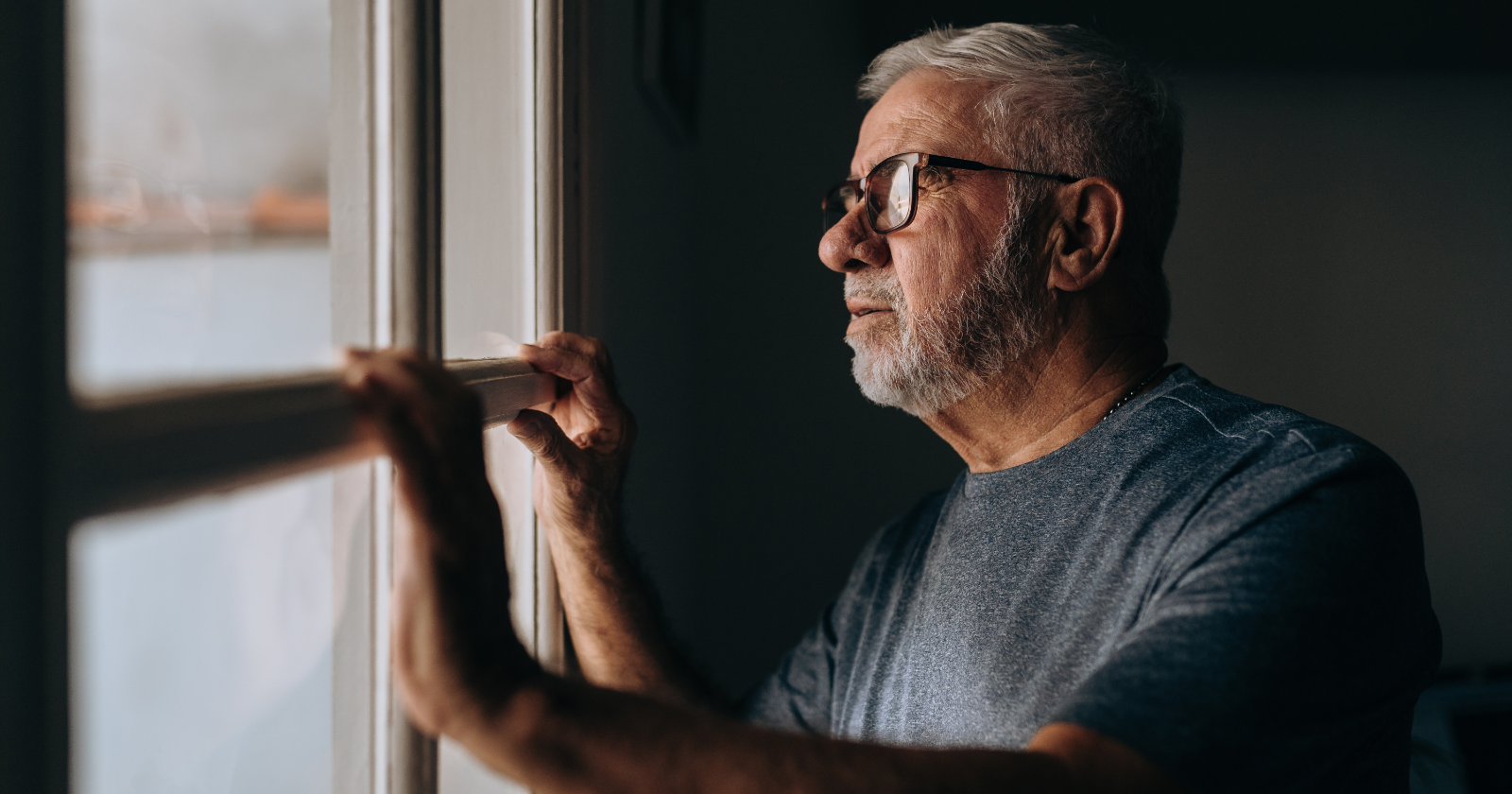
Looking back, I can see where it started. In my forties, I was working seventy-hour weeks. If a buddy called to grab a beer, I was too tired. If someone invited us to a barbecue, I had a job to finish. I wasn’t trying to be antisocial—I was just trying to keep my business running.
My wife Donna used to say I was trading my present for my future. I didn’t get it then. I do now.
There’s this thing Devon Frye wrote that stuck with me: “Loneliness is synonymous with perceived social isolation, not with objective social isolation.” In other words, you can be surrounded by people and still feel alone if those connections aren’t real anymore. That’s exactly what happened to me—I had plenty of people around, but the relationships had gotten thin. Surface level. Just work talk and weather.
The small decisions that add up
Nobody wakes up at 66 and suddenly becomes lonely. It’s the result of a thousand small decisions that seemed reasonable at the time.
Not calling your buddy back because you’re tired. Skipping the neighborhood gathering because the game’s on. Letting a friendship coast because you figure it’ll always be there.
I had a best friend, Ray, who moved across the country about fifteen years ago. We swore we’d stay in touch. For a while, we did. Then the calls got further apart. The emails stopped. Now I couldn’t tell you what he’s up to if my life depended on it.
A study examining the Health and Retirement Study data found that institutional, neighborhood, and life stressors, such as perceived institutional discrimination and stressful life events, are associated with increased loneliness among older adults, indicating that accumulated stressors over time can contribute to social isolation. Basically, all the crap we deal with over the years doesn’t just stress us out—it pushes us away from other people.
Why it hits different after retirement
When you’re working, you’ve got built-in social interaction. Even if you’re not close with your coworkers, you’re talking to people. You’ve got a routine. A reason to get up and get out.
After retirement, that structure disappears. Suddenly, if you want to see people, you have to make it happen. And after decades of letting relationships run on autopilot, that muscle is weak.
“Loneliness isn’t just the perception of social isolation—it can kill,” according to the Psychology Today Staff.
That’s not being dramatic. A systematic review and meta-analysis found that loneliness, social isolation, and living alone are significant risk factors for increased mortality among older adults, highlighting the cumulative impact of social disengagement over time. We’re literally talking about life and death here.
The energy problem nobody mentions
Here’s what really gets me: maintaining friendships at this age takes more energy than it ever has, right when I have less energy to give.
When I was 30, I could work all day and still meet the guys for beers. Now, some days I’m wiped out by noon. The idea of making plans, getting dressed, driving somewhere—it feels like a lot.
But that’s the trap. The less you do it, the harder it gets. The harder it gets, the less you do it. Before you know it, you’re that guy who never leaves the house.
Rabiya Karamali, M.Ed., MAPP, puts it perfectly: “Feeling valued and needed protects seniors from the harsh effects of loneliness.” But how do you feel valued and needed when you’ve let all your connections fade?
What I’m doing about it
I can’t go back and fix the last twenty years, but I can stop the bleeding now. Every Saturday, I meet four guys for breakfast at the same diner. Been doing it for twenty years, and even when I don’t feel like going, I go. Because I know if I skip once, it’s easier to skip twice.
I’m also trying to reach out more. Call people just to talk, not because I need something. It feels awkward sometimes—guys my age didn’t grow up doing that. But awkward is better than alone.
Mandy French describes it simply: “Loneliness is a potentially distressing feeling of being separated or alone.” The key word there is “feeling.” Because even when you’re physically around people, if you don’t feel connected, you’re alone.
Bottom line
The loneliness that shows up after retirement isn’t because you got old. It’s because of all the times you chose work over dinner with friends, all the calls you meant to return but didn’t, all the invitations you didn’t extend because you figured there’d be time later.
Well, this is later. And the bill has come due.
The good news? It’s not too late. Pick up the phone. Make the plans. Show up even when you’re tired. Because the alternative—sitting alone wondering where everyone went—is a lot worse than a little awkwardness or effort.
Every friendship you save now is one less regret later. And at my age, I’ve got enough regrets already.