Add Silicon Canals to your Google News feed. 
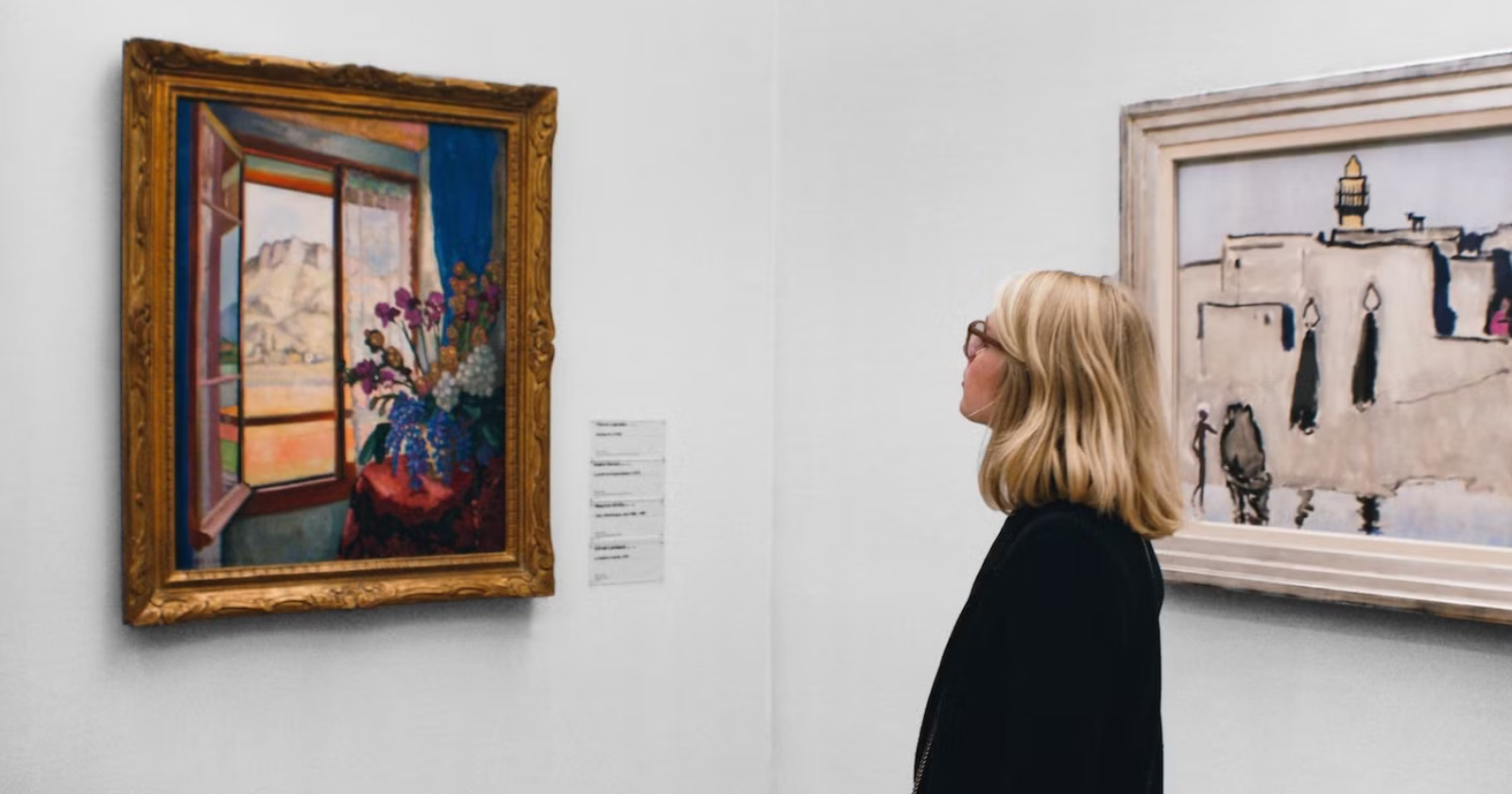
Most people walk through museums quickly, snap photos for Instagram, and move on. But have you ever found yourself standing in front of a painting for so long that security starts giving you weird looks?
I’ve been there. Just last week, I spent nearly an hour in a small gallery, completely absorbed by a single photograph of an abandoned train station.
While others breezed through, something about the way light fell through those broken windows kept pulling me deeper.
If you’ve had similar experiences, you might appreciate art, music, and culture on a level that goes beyond surface appreciation. It’s not about being pretentious or claiming superior taste.
It’s about feeling things differently, seeing connections others miss, and finding meaning in creative expression that touches something fundamental in your soul.
Here are eight signs you might be one of those people.
1) You get emotional over seemingly “ordinary” creative works
Remember the last time a song made you cry? Not because it reminded you of someone or something specific, but because the melody itself struck something deep inside you?
While others might hear background music, you hear layers of emotion, tension, and release. A simple chord progression can send shivers down your spine. A photograph of an empty street can fill you with inexplicable longing.
This emotional response isn’t about being overly sensitive. It’s about being attuned to the emotional frequencies that artists embed in their work.
You pick up on subtleties that others might miss: The slight tremor in a singer’s voice, the way shadows create mood in a painting, the rhythm of words in a poem that mirrors a heartbeat.
Growing up, I often felt weird about getting teary-eyed during movie soundtracks or feeling overwhelmed in art galleries.
Now I realize this emotional responsiveness is actually a gift. It means you’re experiencing art the way it was meant to be experienced: Fully, deeply, viscerally.
2) You notice details that others overlook
Walk through a city with someone who appreciates culture deeply, and you’ll notice they see a completely different world. Where others see buildings, they see architectural conversations between eras. Where others hear noise, they hear the symphony of urban life.
This attention to detail extends beyond traditional art forms. You might find yourself captivated by the typography on old signs, the patina on a bronze statue, or the way afternoon light transforms an ordinary café into something magical.
In my book, Hidden Secrets of Buddhism: How To Live With Maximum Impact and Minimum Ego, I explore how Buddhist mindfulness teaches us to truly see rather than just look.
This same principle applies to experiencing art and culture. When you slow down and pay attention, every detail becomes significant.
Photography has taught me this lesson repeatedly. Through my lens, I’ve learned to find beauty in everyday moments that most people walk past without noticing.
A peeling wall becomes abstract art. Morning light through a window becomes a meditation on impermanence.
3) You seek out the stories behind the creation
For you, knowing that Van Gogh painted “Starry Night” while in an asylum isn’t just trivia. It fundamentally changes how you see those swirling skies.
Understanding that Frida Kahlo painted from her bed transforms her self-portraits from mere images into acts of defiance.
You devour documentaries about artists, read biographies of musicians, and research the historical context of cultural movements. Not because you want to impress people at parties, but because these stories deepen your connection to the work.
This curiosity extends to contemporary creators too. You want to know what drives them, what struggles they face, what they’re trying to communicate through their art.
You understand that every creative work is a conversation between the artist and the world, and knowing the artist’s side of that conversation enriches your experience immeasurably.
4) You find connections between different art forms
Where others see separate categories, you see one flowing conversation. Jazz influences how you read poetry. Architecture shapes how you understand music. Dance informs how you appreciate painting.
These connections aren’t forced or pretentious. They’re natural observations that arise when you truly engage with creative expression.
You might notice how Impressionist paintings share the same approach to light as certain jazz compositions share an approach to rhythm: Both capturing fleeting moments, both suggesting rather than defining.
This interconnected view of culture makes every experience richer. A visit to a new city becomes an exploration of how its music, food, architecture, and art all tell the same story from different angles.
5) You’re comfortable with not “getting it” immediately
While others might dismiss abstract art or experimental music as “weird” or “pretentious,” you’re willing to sit with confusion. You understand that not all art is meant to be immediately accessible, and that’s okay.
In fact, you often find that the works that challenge you most initially become your favorites over time. That difficult novel that took three attempts to finish. That album that sounded like noise until suddenly, one day, it clicked.
This patience comes from understanding that art isn’t always about immediate gratification. Sometimes it’s about expanding your capacity to perceive and feel.
Sometimes the artist is speaking a language you haven’t learned yet, and the process of learning it is part of the experience.
6) You create your own interpretations
You don’t need an art critic to tell you what something means. While you appreciate expert perspectives, you trust your own emotional and intellectual responses to creative works.
This confidence doesn’t come from arrogance but from understanding that art is ultimately about human connection. What a piece means to you, based on your experiences and perspective, is just as valid as any academic interpretation.
As I discuss in Hidden Secrets of Buddhism: How To Live With Maximum Impact and Minimum Ego, there’s wisdom in trusting our inner voice while remaining open to other perspectives. This balance allows you to engage with art personally while still learning from others’ insights.
You might see themes of isolation in a landscape that others see as peaceful. You might hear hope in music others find melancholic. These personal interpretations make your relationship with art uniquely yours.
7) You actively seek out unfamiliar cultural experiences
Your playlist includes music from countries you’ve never visited. Your reading list spans centuries and continents. You try cuisines that challenge your palate and attend performances in languages you don’t speak.
This isn’t about collecting experiences like trophies. It’s about genuine curiosity and respect for the vast tapestry of human creativity. You understand that every culture has its own aesthetic language, its own way of expressing universal human experiences.
During my travels, particularly while exploring Vietnamese café culture, I’ve noticed how each neighborhood has its own character, its own aesthetic rhythm.
These experiences have taught me that appreciating culture deeply means being willing to step outside your comfort zone and experience beauty on its own terms.
8) You understand that taste evolves
Looking back, you can trace how your appreciation for art and culture has grown and changed. The music you loved at twenty hits different at thirty. Books you once found boring now reveal layers of meaning.
You’re not embarrassed by your past tastes or defensive about your current ones. You understand that developing cultural appreciation is a lifelong journey, not a destination. Every new experience, every year of life, adds depth to how you perceive creative expression.
This evolution isn’t about becoming more sophisticated or elite. It’s about becoming more open, more capable of finding beauty and meaning in unexpected places.
Final words
If you recognized yourself in these signs, congratulations. You’re part of a community of people who find deep meaning and connection through creative expression.
Your appreciation for art, music, and culture isn’t just a hobby or interest. It’s a fundamental part of how you experience and understand the world.
This deeper level of appreciation is both a gift and a responsibility. It allows you to experience profound beauty and meaning, but it also calls you to support and celebrate the artists and cultural creators who enrich our world.
Keep seeking, keep feeling, keep connecting. In a world that often prioritizes speed and efficiency over depth and meaning, your way of experiencing culture is more valuable than ever.