No Result
View All Result
  • Login
Sunday, August 16, 2026
FeeOnlyNews.com
  • Home
  • Business
  • Financial Planning
  • Personal Finance
  • Investing
  • Money
  • Economy
  • Markets
  • Stocks
  • Trading
  • Home
  • Business
  • Financial Planning
  • Personal Finance
  • Investing
  • Money
  • Economy
  • Markets
  • Stocks
  • Trading
No Result
View All Result
FeeOnlyNews.com
No Result
View All Result
Home Startups

People who say thank you to service workers often have these 7 traits that are increasingly becoming rare

by FeeOnlyNews.com
6 months ago
in Startups
Reading Time: 5 mins read
A A
0
People who say thank you to service workers often have these 7 traits that are increasingly becoming rare
Share on FacebookShare on TwitterShare on LInkedIn


Add Silicon Canals to your Google News feed.

Last week, I watched a young guy at the coffee shop make the barista’s entire day.

Not with a big tip or elaborate compliment, just a genuine “thank you so much” and eye contact that said he actually saw her as a person, not just a caffeine dispenser. The barista’s shoulders relaxed, her smile turned real, and suddenly the whole atmosphere shifted.

It got me thinking about something I’ve noticed more and more: the people who consistently thank service workers seem to share certain character traits that are becoming surprisingly rare in our rushed, distracted world.

After years of observing human behavior and digging into what makes people tick, I’ve identified seven qualities that these individuals almost always possess. And here’s the thing, these traits don’t just make them nice to be around.

They’re the same qualities that build stronger relationships, create better workplaces, and honestly? Make life richer for everyone involved.

1) They possess genuine empathy

Remember the last time you worked a truly exhausting shift? Maybe it was during college, or perhaps you’re grinding through one right now. That bone-deep tiredness, the aching feet, the forced smile when customer number 47 complains about something beyond your control.

People who thank service workers get it. They’ve either been there themselves or they possess the emotional intelligence to imagine what it’s like. This isn’t performative kindness, it’s genuine recognition that the person scanning their groceries or cleaning their office has a full life beyond that moment.

A friend who manages a restaurant once told me she can spot these empathetic customers within seconds. “They’re the ones who look up from their phones,” she said. “They see when we’re swamped and adjust their expectations. They treat mistakes as human, not personal attacks.”

Research backs this up too. Studies show that people with higher empathy levels naturally engage in more prosocial behaviors. They’re not calculating the social benefits of being nice, they simply can’t help but consider how others feel.

2) They understand the value of all work

Here’s what I’ve learned from maintaining friendships across every industry imaginable: every job requires skill, even the ones society pretends don’t matter.

My friend who’s a hospital janitor? She knows infection control protocols that save lives. The grocery store cashier? He’s memorized produce codes and handles difficult customers with more grace than most CEOs I’ve interviewed.

People who thank service workers understand this fundamental truth. They don’t buy into the toxic hierarchy that suggests some work is inherently more valuable than others. They recognize that society would collapse without the people who stock shelves at 3 AM, drive buses through snowstorms, and clean up after the rest of us.

This perspective is becoming rarer as we increasingly sort ourselves into bubbles. When everyone you know has a similar education level and income bracket, it’s easy to forget that intelligence and worth show up in countless forms.

3) They practice mindfulness naturally

You know those people who seem fully present wherever they are? They’re not scrolling while ordering, not talking on the phone while someone bags their items, not treating human interactions like inconvenient obstacles between them and their goals.

These are the ones saying thank you to service workers, because they’re actually there in the moment. They notice the person, not just the function. They see the name tag, the tired eyes, the practiced movements of someone who’s repeated this task hundreds of times today.

Mindfulness has become a buzzword we associate with meditation apps and yoga retreats, but at its core, it’s simply about paying attention. And people who consistently thank service workers have mastered this without necessarily calling it mindfulness. They’re just present.

4) They possess quiet confidence

Here’s something counterintuitive: truly confident people don’t need to assert dominance over others, especially those in service roles. They’re secure enough to treat everyone with respect, regardless of perceived status differences.

I’ve watched this play out countless times. The customer who berates the server about a kitchen mistake? Usually compensating for something. But the one who says, “No worries, these things happen, thank you for handling it”? That’s someone comfortable in their own skin.

This type of confidence is becoming scarcer as social media pushes us toward performative superiority. We’re encouraged to broadcast our importance, to demand special treatment, to document every slight. But genuine confidence doesn’t need an audience. It shows up in small moments, like thanking someone for doing their job well.

5) They recognize invisible labor

Most of us only notice service work when it goes wrong, when the trash isn’t collected, when shelves are empty, when bathrooms are dirty. But some people see the work being done right in front of them, especially the kind that’s designed to be invisible.

These individuals notice the freshly mopped floor, the perfectly arranged display, the seamlessly handled rush. They understand that making things look effortless requires tremendous effort. And they acknowledge it.

A reader once emailed me after recognizing patterns of workplace invisibility in their own office. They started thanking the cleaning crew they’d passed wordlessly for years. “It changed the entire energy of my mornings,” they wrote. “And theirs too, I think.”

6) They understand reciprocity beyond transactions

We live in an increasingly transactional world. I pay, you provide service, we’re done. But people who thank service workers understand that human connection, even brief ones, can transcend pure economics.

They get that the person making their sandwich or ringing up their purchase is contributing to their day in ways beyond the mere exchange of goods for money. Maybe it’s the friendly greeting that lifted their mood, the helpful suggestion that saved them time, or simply the smooth efficiency that made their errand pleasant.

These people understand that “thank you” is a form of payment too, not a replacement for fair wages or tips, but an acknowledgment that some things can’t be commodified.

7) They possess genuine humility

Perhaps the rarest trait of all: these individuals understand that circumstances, not just personal merit, shape our positions in life. They know that they could easily be on the other side of that counter, that name tag, that mop bucket.

This isn’t false modesty or performative humanism. It’s a deep understanding that luck, timing, and privilege play enormous roles in our trajectories. Maybe they’ve experienced financial hardship themselves, or maybe they’re just wise enough to recognize the randomness of fortune.

This humility is increasingly rare in a culture that insists everyone can bootstrap their way to success, that suggests poverty is a character flaw rather than a systemic issue. People who thank service workers don’t buy into these myths.

Final thoughts

These seven traits: empathy, recognition of work’s value, mindfulness, quiet confidence, awareness of invisible labor, understanding reciprocity, and genuine humility, aren’t just about being polite. They’re about seeing the world clearly and treating people accordingly.

What strikes me most is how these qualities benefit everyone. The person expressing gratitude feels more connected and grounded. The service worker feels seen and valued. And these small interactions create ripples, shifting the energy of entire spaces.

As someone who’s spent years analyzing workplace dynamics and human behavior, I can tell you that these traits matter far beyond coffee shops and grocery stores.

They’re the same qualities that make someone a good colleague, leader, friend, and citizen. In a world that often rewards the opposite: self-absorption, status obsession, transactional thinking, choosing to cultivate these traits is almost revolutionary.




Source link

Tags: increasinglypeopleRareServiceTraitsWorkers
ShareTweetShare
Previous Post

7 Healthcare Costs That Escalate After Initial Treatment

Next Post

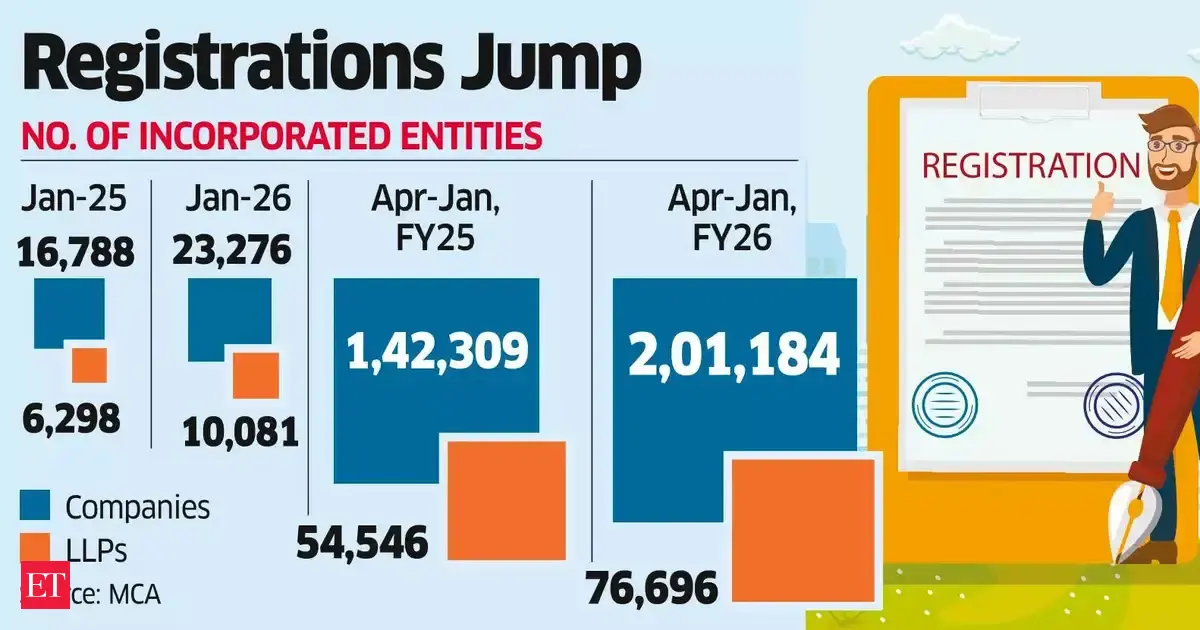
LLP registrations cross 10,000 mark for first time in Jan

Related Posts

Most advice on becoming happier assumes it is up to you, but the evidence is humbler: much of the variation is dispositional, the claim that 40 per cent sits within your control does not hold up, and what works best points outward, towards other people

Most advice on becoming happier assumes it is up to you, but the evidence is humbler: much of the variation is dispositional, the claim that 40 per cent sits within your control does not hold up, and what works best points outward, towards other people

by FeeOnlyNews.com
August 7, 2026
0

The advice on how to become happier is endless, confident, and mostly built on the same assumption: that your happiness...

Malachyte Raises M to Solve E-Commerce’s Biggest Blind Spot: the Visitor Who Never Logs In – AlleyWatch

Malachyte Raises $10M to Solve E-Commerce’s Biggest Blind Spot: the Visitor Who Never Logs In – AlleyWatch

by FeeOnlyNews.com
August 7, 2026
0

E-commerce brands now spend roughly 40% more to acquire each new customer than they did in 2023, yet the website...

Attraction behaves less like a fixed physical fact than a running judgement: in one study an unpleasant personality made people rate the same face as less attractive, and feeling understood by a partner is what sustains desire: the actions that destroy attraction mostly reveal character

Attraction behaves less like a fixed physical fact than a running judgement: in one study an unpleasant personality made people rate the same face as less attractive, and feeling understood by a partner is what sustains desire: the actions that destroy attraction mostly reveal character

by FeeOnlyNews.com
August 6, 2026
0

The genre of advice about killing attraction treats it as a fixed asset you can squander: be too keen, too...

How to Scale Finance and Operations Without Adding Overhead in 2026

How to Scale Finance and Operations Without Adding Overhead in 2026

by FeeOnlyNews.com
August 5, 2026
0

Adding revenue is the fun part of scaling. The operational finance work to support  it is not. Every new customer...

Why Transparency Wins Long-Term in Business: The Competitive Advantage Most Companies Ignore

Why Transparency Wins Long-Term in Business: The Competitive Advantage Most Companies Ignore

by FeeOnlyNews.com
August 5, 2026
0

When people talk about business growth, the conversation usually centers around the visible levers that naturally attract attention, such as...

The generation that came of age with answering machines, handwritten letters, and phone books isn’t nostalgic for slower technology, they remember when being unreachable for a few hours was considered normal instead of a small emergency other people had to manage around

The generation that came of age with answering machines, handwritten letters, and phone books isn’t nostalgic for slower technology, they remember when being unreachable for a few hours was considered normal instead of a small emergency other people had to manage around

by FeeOnlyNews.com
August 5, 2026
0

In 1994, an answering machine did not make a household continuously reachable. It stored a message until someone returned home...

Next Post
LLP registrations cross 10,000 mark for first time in Jan

LLP registrations cross 10,000 mark for first time in Jan

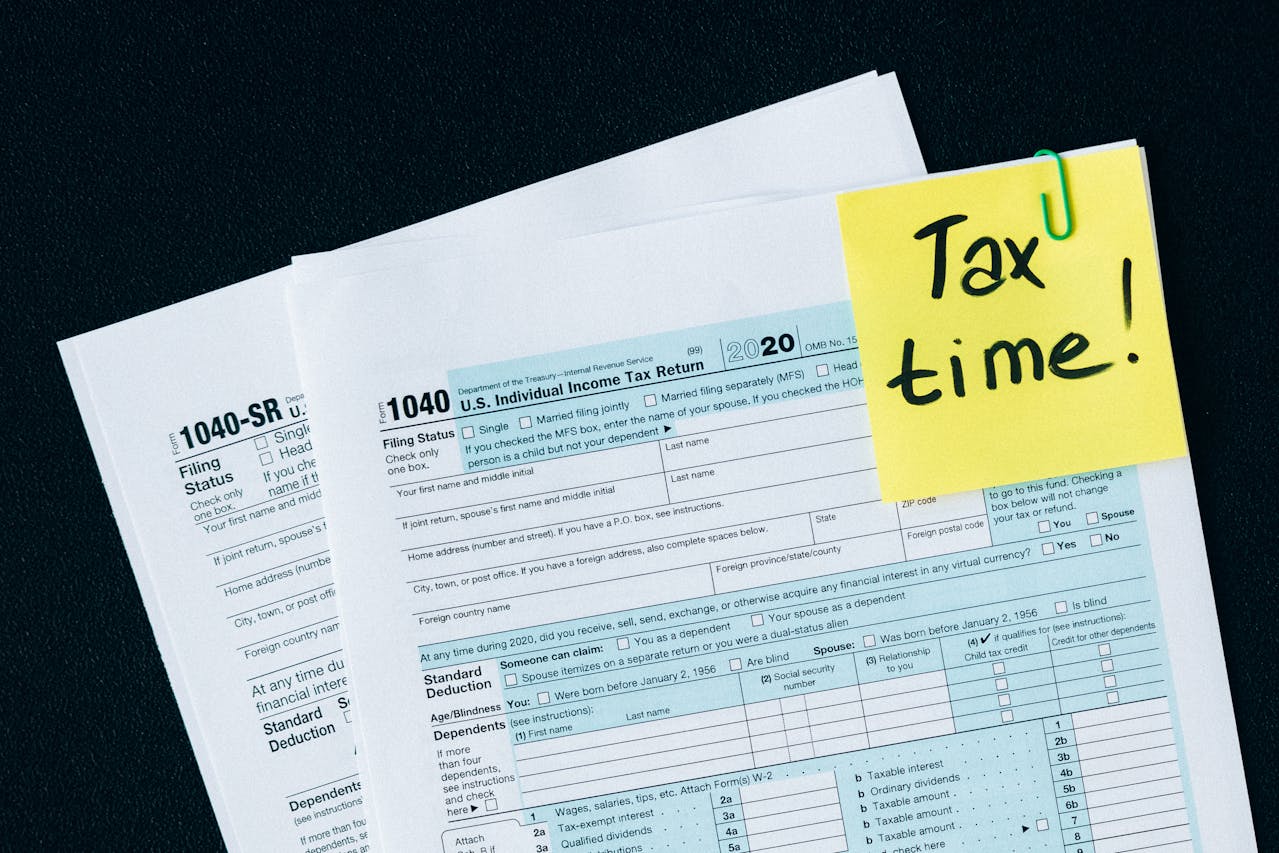
5 Tax-Season Choices That Have Long-Term Consequences

5 Tax-Season Choices That Have Long-Term Consequences

  • Trending
  • Comments
  • Latest
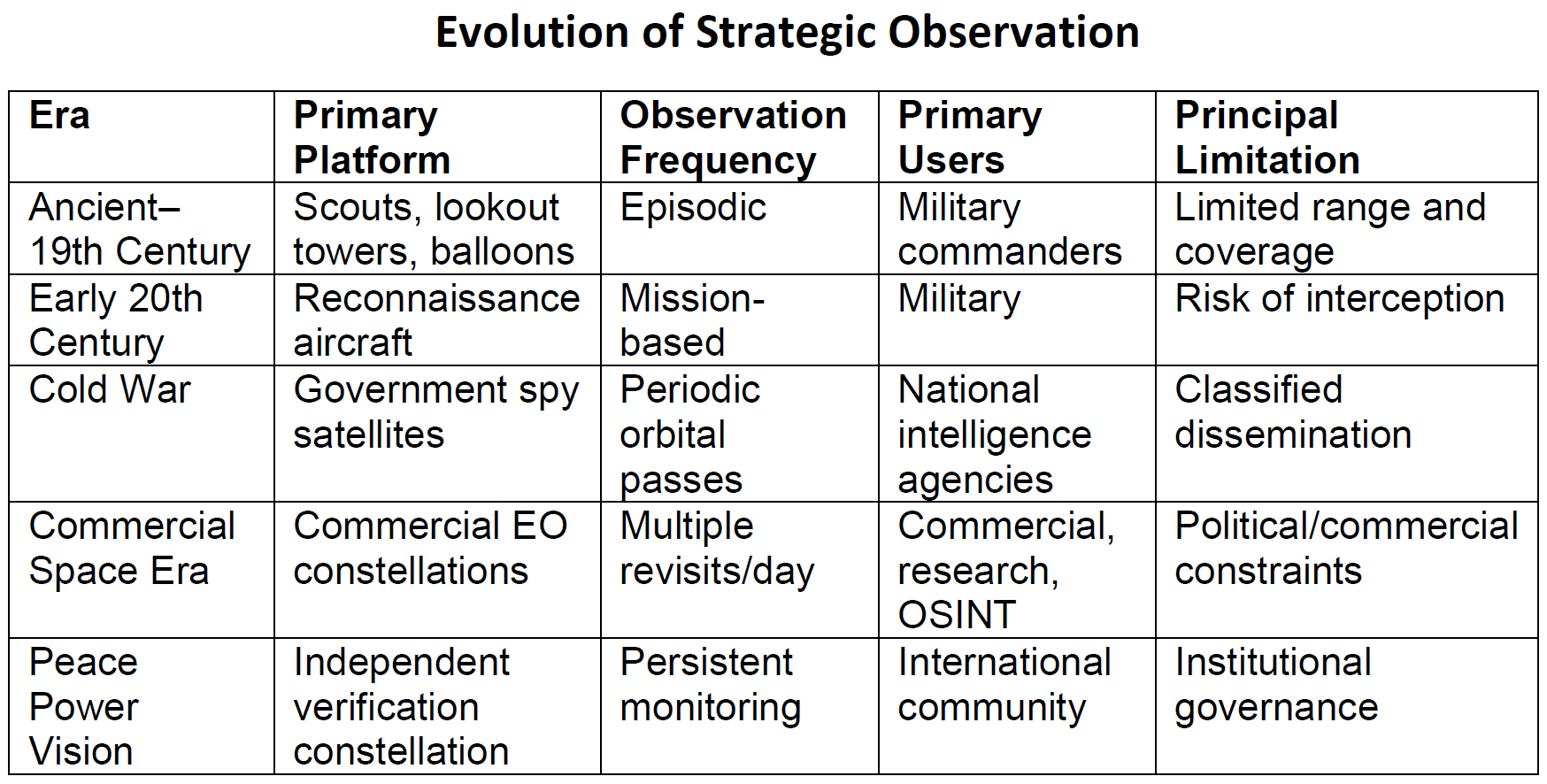
Coffee Break: Armed Madhouse – From Spy Satellites to Peace Satellites

Coffee Break: Armed Madhouse – From Spy Satellites to Peace Satellites

July 7, 2026
US prosecutors examine LA Dodgers owner Mark Walter-linked insurers – report

US prosecutors examine LA Dodgers owner Mark Walter-linked insurers – report

July 21, 2026
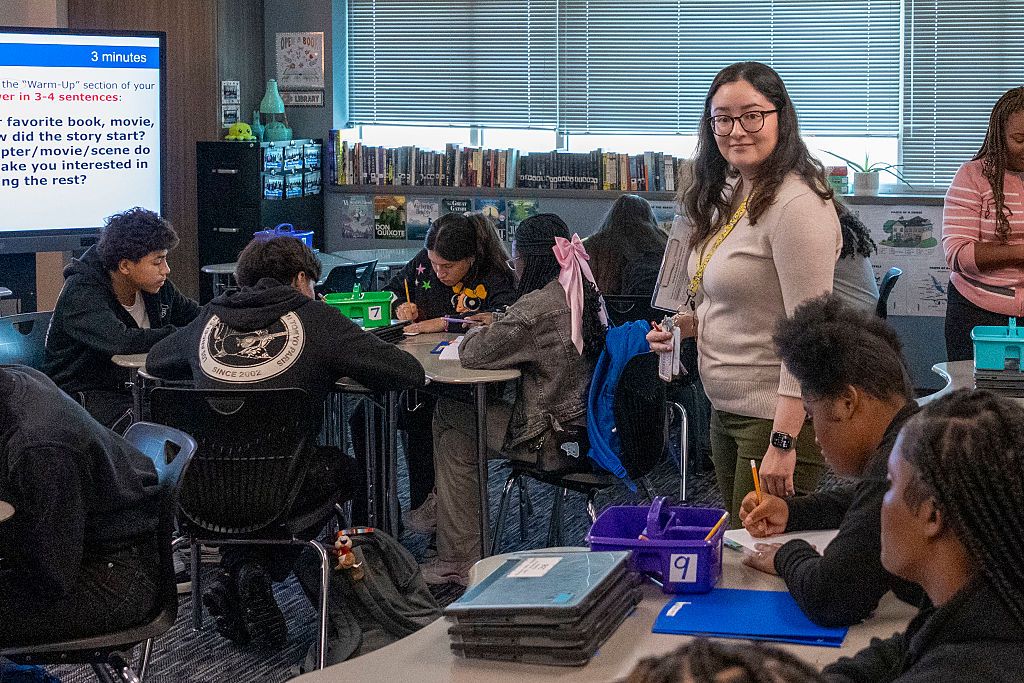
Teachers’ Unions Shell Out More Than  Billion on Politics

Teachers’ Unions Shell Out More Than $1 Billion on Politics

May 14, 2026
Why did a 4 billion CEO just endorse stripping most Americans of voting rights?

Why did a $154 billion CEO just endorse stripping most Americans of voting rights?

July 27, 2026
Product-Market Fit Expires Every 90 Days. Here’s What to Do About It.

Product-Market Fit Expires Every 90 Days. Here’s What to Do About It.

July 15, 2026
Bond Vet and Small Door Merge to Form One of the Nation’s Largest Premium Veterinary Networks – AlleyWatch

Bond Vet and Small Door Merge to Form One of the Nation’s Largest Premium Veterinary Networks – AlleyWatch

July 9, 2026
Advanced Micro Devices (AMD) Price Prediction: How Much a ,000 Investment Could Be Worth by 2031

Advanced Micro Devices (AMD) Price Prediction: How Much a $5,000 Investment Could Be Worth by 2031

0
Cities holding up to 3 million people found under Amazon rain forest

Cities holding up to 3 million people found under Amazon rain forest

0
Republican Party Displacement | Mises Institute

Republican Party Displacement | Mises Institute

0
Bybit Uses Tokenised Equities as Underlyings for Structured Yield

Bybit Uses Tokenised Equities as Underlyings for Structured Yield

0
Explained: How BSE traded fewer contracts after CAS but premiums rose 75% in first week

Explained: How BSE traded fewer contracts after CAS but premiums rose 75% in first week

0
Vaxart outlines Phase IIb COVID-19 top line data in first half of 2027 backed by BARDA funding (OTCMKTS:VXRT)

Vaxart outlines Phase IIb COVID-19 top line data in first half of 2027 backed by BARDA funding (OTCMKTS:VXRT)

0
Advanced Micro Devices (AMD) Price Prediction: How Much a ,000 Investment Could Be Worth by 2031

Advanced Micro Devices (AMD) Price Prediction: How Much a $5,000 Investment Could Be Worth by 2031

August 8, 2026
Republican Party Displacement | Mises Institute

Republican Party Displacement | Mises Institute

August 8, 2026
Vanguard Chief Economist: AI and jobs, still in an ATM phase

Vanguard Chief Economist: AI and jobs, still in an ATM phase

August 8, 2026
Explained: How BSE traded fewer contracts after CAS but premiums rose 75% in first week

Explained: How BSE traded fewer contracts after CAS but premiums rose 75% in first week

August 8, 2026
Democrats’ Affordability Message Misses a Key Expense—Student Debt

Democrats’ Affordability Message Misses a Key Expense—Student Debt

August 8, 2026
Banks or NBFCs? DSP’s Preethi R S explains where she sees the best opportunities

Banks or NBFCs? DSP’s Preethi R S explains where she sees the best opportunities

August 8, 2026
FeeOnlyNews.com

Get the latest news and follow the coverage of Business & Financial News, Stock Market Updates, Analysis, and more from the trusted sources.

CATEGORIES

  • Business
  • Cryptocurrency
  • Economy
  • Financial Planning
  • Investing
  • Market Analysis
  • Markets
  • Money
  • Personal Finance
  • Startups
  • Stock Market
  • Trading

LATEST UPDATES

  • Advanced Micro Devices (AMD) Price Prediction: How Much a $5,000 Investment Could Be Worth by 2031
  • Republican Party Displacement | Mises Institute
  • Vanguard Chief Economist: AI and jobs, still in an ATM phase
  • Our Great Privacy Policy
  • Terms of Use, Legal Notices & Disclaimers
  • About Us
  • Contact Us

Copyright © 2022-2024 All Rights Reserved
See articles for original source and related links to external sites.

Welcome Back!

Sign In with Facebook
Sign In with Google
Sign In with Linked In
OR

Login to your account below

Forgotten Password?

Retrieve your password

Please enter your username or email address to reset your password.

Log In
No Result
View All Result
  • Home
  • Business
  • Financial Planning
  • Personal Finance
  • Investing
  • Money
  • Economy
  • Markets
  • Stocks
  • Trading

Copyright © 2022-2024 All Rights Reserved
See articles for original source and related links to external sites.