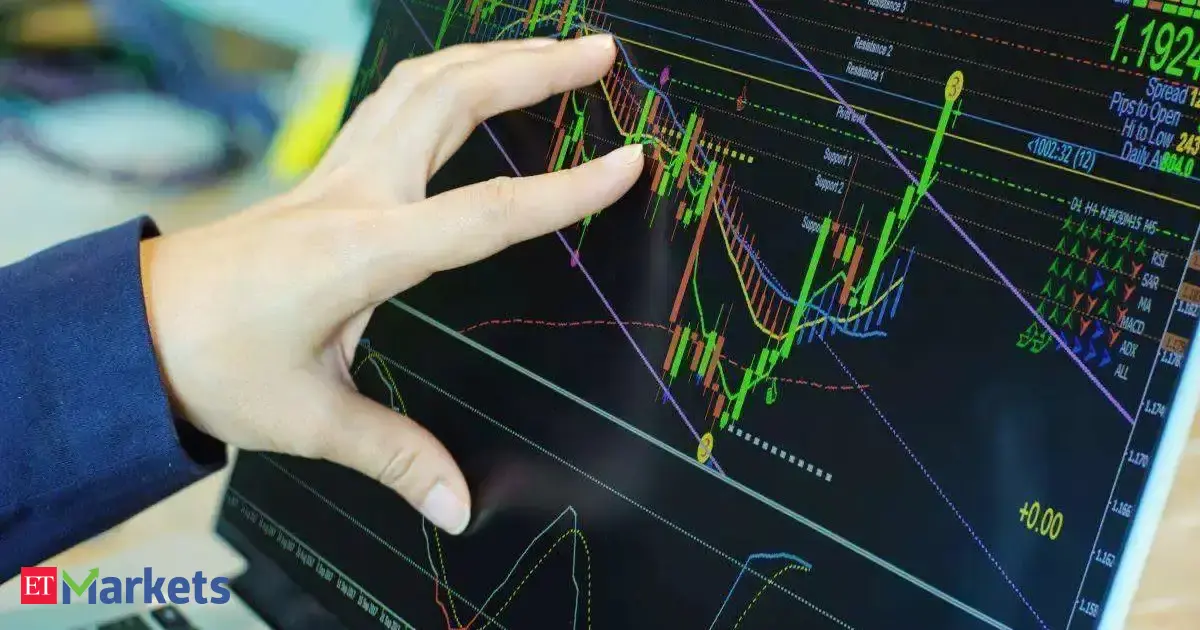
Markets opened bullish on Sunday, and oil prices dropped. The Iran peace trade seems to be back in full swing. Equities are pricing resolutions. Crude is pricing an open strait, and the rally looks clean on the surface.
Meanwhile, the gap between what is being said publicly and what is actually happening in the negotiations is getting wider and wider. This is according to Iran’s own state-linked media.
The Announcement
According to West Asia News Agency (WANA), citing sources familiar with the negotiations, US officials and mediators have been privately telling Tehran a very specific thing: “Do not pay attention to Trump’s social media posts.”
American officials stressed that Trump’s public statements are “largely intended for domestic political and media consumption and do not necessarily reflect the positions being discussed behind closed doors.” One source described Trump’s initial framework as a list of “maximalist demands” Washington had failed to achieve even under peak military pressure. What is actually on the table, the source said, is “markedly different.”
That is a remarkable message to be sending through intermediaries. It means every oil selloff and equity rally driven by a Trump post could be built on noise, and this morning’s move is the latest example.
Iran International reported Sunday that Iranian negotiators are demanding the immediate release of $12 billion in frozen assets held in Qatar as a precondition for advancing talks, and Iran’s state-linked Tasnim News added more detail on the proposed MoU structure: a 30-day window to address the naval blockade and Strait, followed by a separate 60-day period for nuclear negotiations. Iran has not accepted any commitments on the nuclear file at this stage.
Iran’s Foreign Ministry spokesman Esmail Baghaei captured the actual state of play in one line that circulated widely across Iranian media: “The agreement is both very far and very close.” He added that the differences between Tehran and Washington are “so deep and extensive” that no one should expect a few weeks of meetings to produce results.
US Secretary of State Rubio meanwhile was speaking of “significant progress” – with an incentive to release positive updates, because of how it affects the market.The Pattern Is Familiar
This has happened multiple times since February. In early April, a ceasefire was announced. Iran’s foreign minister declared the Strait open. Oil fell 16% in a single session. Within ten days, the picture reversed entirely, and strikes resumed and Iran walked back the Strait language.
fell more than 5% today on optimism, while no meaningful developments were made on Tehran’s enriched uranium stockpile and tolls on the Strait.
It’s hard to determine from the outside, but it doesn’t look like Iran is budging. MP Alireza Salimi said Iran’s control over the Strait was “not negotiable.” The IRGC-linked Fars news agency reported talks would fail unless the US showed flexibility, and that Tehran would not discuss its nuclear program under any circumstances at this stage. Iran’s state news agency IRNA warned the process “could collapse at any moment because of America’s maximalist approaches.”
An online poll by Iranian conservative outlet Tabnak found nearly 70% of more than 110,000 respondents expected no deal and a resumption of war.
Trump himself put the odds at “a solid 50/50.”
The Supply Chain That Markets Are Ignoring
Even if a deal lands this week, the fundamentals have been permanently altered. The Strait disruption runs much deeper than crude, these supply chains do not normalize the day peace is signed – yet the market continues to rally based on headlines.
Plastics and petrochemicals: About $20-25 billion in petrochemical products pass through the Strait annually per Rabobank. Polyethylene prices in China hit four-year highs, up roughly 12% year-to-date, with over 80% of Middle East export capacity dependent on the Strait. These inputs are in everything from car parts to food packaging. The inflation does hit regular consumers, just on a lag.
: Qatar’s Ras Laffan is the single largest LNG export facility on the planet, and it’s inside the Persian Gulf. The closure effectively locked it out of global markets, removing roughly 20% of worldwide LNG supply overnight. European benchmark prices (TTF) are up 35% from pre-conflict levels; Asia’s Japan-Korea Marker up 51%. Europe, which entered this period with below-average storage after winter, now needs to buy heavily into the tightest summer LNG market in years.
Fertilizers: The Gulf accounts for nearly a third of global seaborne fertilizer trade. Urea jumped 30% to around $550 per ton at the Port of New Orleans, right at the Northern Hemisphere planting window. Farmers who couldn’t secure supply planted less. That shortfall won’t show up in food prices for months, but it’s already locked in.
Even with the Strait open tomorrow, war-risk insurance, shipping schedules, and curtailed production all take months to normalize. The CPI prints so far don’t reflect what’s already in the pipeline.
What This Means Across Markets
Oil: This morning’s low may be the trade, but it’s entirely possible that it’s a headline trade and not a fundamentals trade. Iran’s $12 billion precondition and the 30-to-60-day MoU timeline mean physical supply normalization is weeks away at best, and the nuclear dispute could unravel even that.
Equities: The secondary inflation wave from petrochemicals, LNG, and food costs will keep core CPI elevated well past any signing ceremony. That keeps the Fed on hold under a Warsh chair who leans hawkish. The rate-cut runway equity bulls need is narrower than the rally implies.
Bonds: The long end faces persistent upside pressure from energy-driven CPI, tariff inflation, and the commodity pass-through not yet visible in the data. The hit a nearly 19-year high earlier this week, and a lot of peace headlines are needed to change that.
: Strength looks well supported. A Fed on hold with sticky inflation and a geopolitical wildcard of uncertain duration keeps rate differentials working in the dollar’s favor.The Bottom Line
Markets are opening bullish. Oil is at its lows. The Iran peace trade is running hot.
The sourced reporting tells a different story, and US officials are privately telling Tehran to ignore the posts. Iran’s own spokesman says the deal is simultaneously very far and very close. Tehran is demanding $12 billion in frozen assets before talks can formally advance. Hardliners on both sides are pulling against any agreement. And nearly 70% of Iranians polled expect the war to resume.
This pattern has played out three times since February. Each time, the rally faded when the reality caught up.
The fundamentals and the market are at odds, and the longer this war plays out – the less significant each announcement will be.