Senator Steve Daines from Montana believes that US Senate Republicans are getting closer to presenting a crypto tax plan. He believes the framework could take shape as early as fall 2026. It could mark a great feat for crypto regulation as the CLARITY Act is also advancing.
US Senate Ramps Up Crypto Tax Initiative
On Tuesday, June 23, Daines noted that lawmakers on the Senate side have already come up with a draft outline for the proposal. The Republican on the Senate tax-writing committee said “We’ve gotten a framework put together.”
However, Daines said he wouldn’t comment on the specifics of the bill, per Bloomberg Tax report. Nonetheless, he stated that the plan is “more similar than not” to proposals that have been recently put forward on the House floor.
Daines also indicated that he was interested in taking it to committee before the end of the year. “If we can, I’d love to,” he said when asked about a possibility of a markup in 2026.
The comments follow as Congress’s tax committees move forward their work on digital asset policy. The House Ways and Means Committee recently introduced a group of six crypto tax bills. The proposals covered such topics as staking, mining and how digital asset transactions would be taxed.
The topic crypto tax legislation is gaining traction in the US Senate. In October of 2025, the Senate Finance Committee led by Senator Mike Crapo reviewed the issue of taxing digital assets during a hearing, paving the way for future bills.
A Look Into The PARITY & CLARITY Act Initiatives
In March 2026, the bipartisan PARITY Act was introduced in the House. The bill primarily addresses the taxation of stablecoins and will revise legal definitions of digital assets. Moreover, the Digital Asset Market Clarity Act is gaining momentum after it was placed on the US Senate calendar.
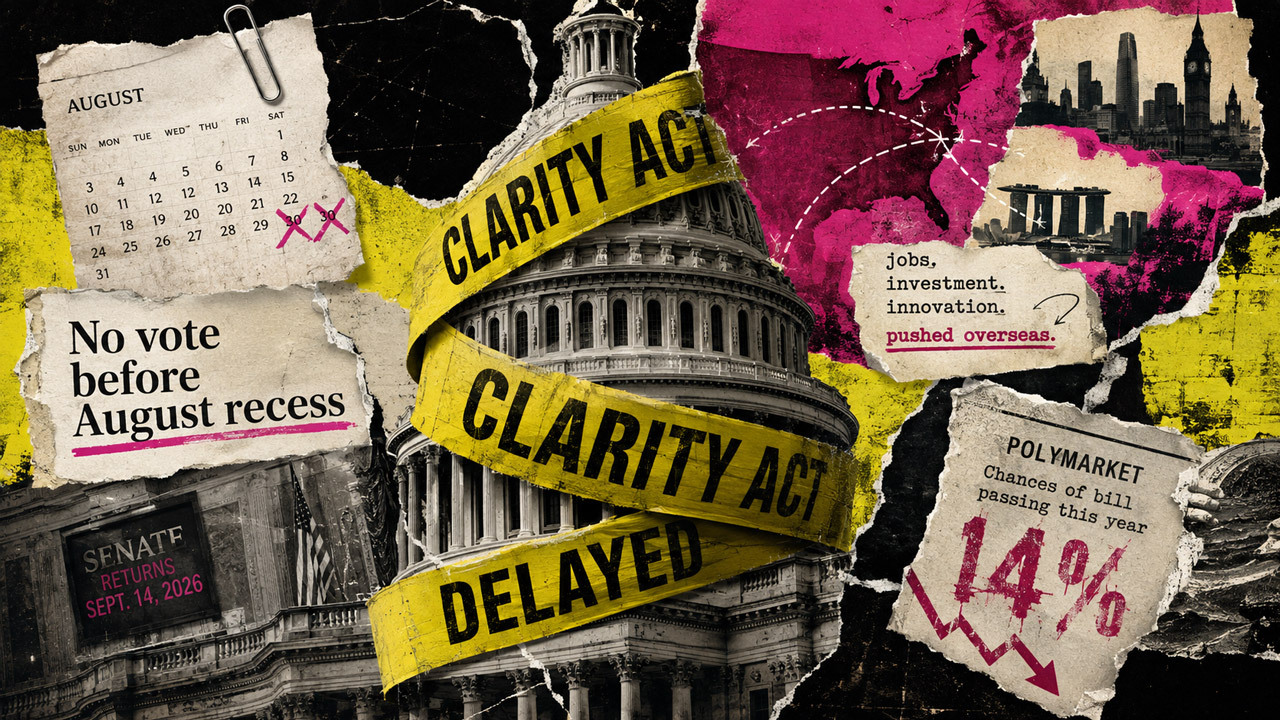
Previously, the CLARITY Act was approved by the Senate Banking Committee by a vote of 15-9 in May. Now, lawmakers are eyeing a July 4 approval, which seems unlikely as a Senate floor vote has yet not been scheduled.
In addition, the bill’s ethics provisions against President Donald Trump and other federal officials could lead to a roadblock.