

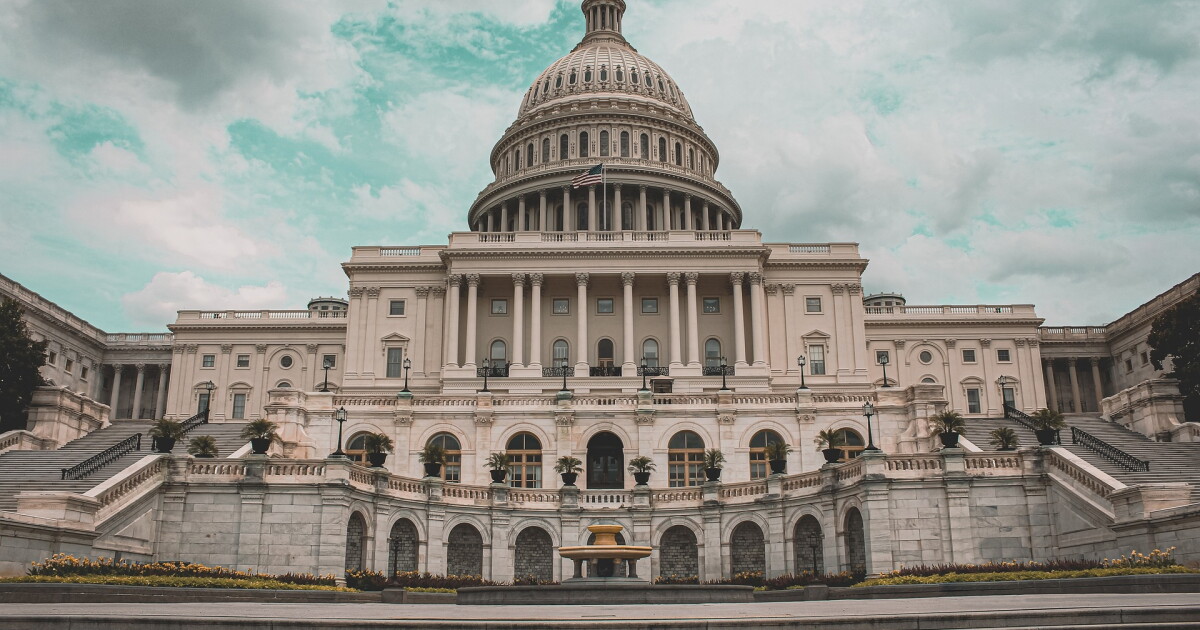
-1024x683.jpg "UK Voters Put Prime Minister Keir Starmer on Notice")
On Thursday, June 18, Brits went to the polls in what – if it were not for the current political maelstrom – would be a rather uneventful by-election. Makerfield, a small constituency near Manchester, delivered a verdict that is the epicenter of a coming earthquake.
Labour candidate (and now former mayor of Greater Manchester) Andy Burnham won a landslide victory, hitting 55%. Surely this is a cause for celebration for Prime Minister Keir Starmer? After all, his party’s candidate held out against a strong showing from Nigel Farage’s Reform UK party that reached just 35%. However, this was no normal election, and the stakes were far from pedestrian.
The King of the North?
The self-styled king of the north, Andy Burnham, has been in Westminster politics his entire adult life. After leaving Parliament, he stood for – and won – the mayoralty in one of Britain’s most important cities. He has wide name recognition and a portfolio of government positions. He also has ambitions well beyond representing the constituency he just claimed.
In fact, Burnham’s sole goal in this election was to return to Parliament and launch a leadership contest. He has his supporters within his party, and by all accounts, he has a very good chance of toppling Mr. Starmer. In the UK, a prime minister can be replaced without the need for a general election; it’s a party-line affair that requires just a percentage of the ruling party’s Members of Parliament to back another candidate. Mr. Burnham has that backing.
Notably, when Reform swept the local elections back in May, it was the received wisdom that the only reason the PM wasn’t ousted by his party then was because Burnham was not yet back in the House of Commons and therefore ineligible to run for leadership.
The Clock Ticks for Starmer
As soon as is feasibly polite, Burnham and at least 80 MP backers will challenge Sir Keir, and they’ll most likely win the party leadership vote (and therefore automatically the premiership) in a landslide, making yesterday’s victor tomorrow’s PM. It’s worth remembering that in 2024, just two years ago, Keir Starmer brought Labour back to power with a huge majority. In the intervening years, he has become the least popular leader since such records began, and Reform has come out on top in more than 300 consecutive polls for forming the next government. That government formation, though, requires a general election, and one need not be called until 2029. This gives Burnham – presuming he challenges and beats Starmer – roughly three years to revive his flailing party.
While one might assume that the king of the north winning his own local landslide was a clear signal that Labour is back on track and ready to be a fighting force, the peculiarities of this contest suggest several other possibilities.
It’s a Matter of Perspective
There are several key things to consider in yesterday’s race:
Burnham In = Starmer Out: A 55% win in a multi-party system is, indeed, impressive. But the unanswered question is whether the voters of Makerfield were casting their ballots to get Andy Burnham elected, or to get Keir Starmer out of office. There will undoubtedly be a significant portion of the electorate who saw this as an opportunity to remove a deeply unpopular PM and therefore voted Labour rather than the party they would prefer in government.
Tactical Voting: The three biggest parties in Parliament are Labour, Conservative, and the Liberal Democrats, who have made up the majorities since 1918. Labour’s result is a clear win, but what of the other two? The Conservatives managed a paltry 2.2%, under 1,000 votes. The Lib Dems garnered just 162 votes. And let’s not forget the Green Party, currently polling almost 14% nationally, bringing in just 308 votes. Why did the vote share for these parties collapse? The smart money says they coalesced around Burnham to either keep Reform out of power or to ensure Keir Starmer would be booted from the top spot.
Fighting Reform: As mentioned earlier, Reform has led in the last 300 polls nationally. If there is a general election, Reform is likely to sweep to victory, making Nigel Farage prime minister. For most of the other parties, if not all, this is a future beyond the pale. Parties that have battled each other for centuries seem willing to work hand in hand to stop a populist right-leaning party from gaining ultimate power, and this appears evidenced in the Makerfield results. It did not matter to the Conservative, Lib Dem, or Green candidates that they literally lost their deposits (by gaining less than 5% of the vote); it seems the mission was to slow down the rise of Farage.
It was a big personal win for Andy Burnham, who will now start plotting his leadership challenge. And it was a big win for a uniparty system dedicated to maintaining the status quo. But in terms of whether the Labour Party is really celebrating, well, that’s another question entirely.



-1024x683.jpg "El-Sayed Wins Dem Nomination in Michigan")













-1024x683.jpg&description=UK%20Voters%20Put%20Prime%20Minister%20Keir%20Starmer%20on%20Notice)