No Result
View All Result
  • Login
Saturday, March 21, 2026
FeeOnlyNews.com
  • Home
  • Business
  • Financial Planning
  • Personal Finance
  • Investing
  • Money
  • Economy
  • Markets
  • Stocks
  • Trading
  • Home
  • Business
  • Financial Planning
  • Personal Finance
  • Investing
  • Money
  • Economy
  • Markets
  • Stocks
  • Trading
No Result
View All Result
FeeOnlyNews.com
No Result
View All Result
Home Startups

What researchers found about prolonged singledom and declining happiness

by FeeOnlyNews.com
2 months ago
in Startups
Reading Time: 4 mins read
A A
0
What researchers found about prolonged singledom and declining happiness
Share on FacebookShare on TwitterShare on LInkedIn


The story that “being single is thriving” has become a familiar cultural script, especially online.

Singlehood is often framed as a confident lifestyle choice—self-partnership, solo living, even “sologamy”—with the implication that opting out of coupledom can be just as fulfilling as opting in. But new research tracking young adults over more than a decade suggests that, for a meaningful subset of people, remaining single for a long stretch during early adulthood is linked to a gradual drop in well-being that becomes most visible in the late twenties.

This isn’t an argument that relationships are a cure-all or that single life is inherently unhappy. It’s a closer look at a specific group—young adults who had never been in a romantic relationship at the start of the study—and what tends to happen to their life satisfaction, loneliness, and depressive symptoms as years pass without a first partnership.

The study behind the headlines

The research drawing attention is a University of Zurich-led analysis published in the Journal of Personality and Social Psychology titled “Life Satisfaction, Loneliness, and Depressivity in Consistently Single Young Adults in Germany and the United Kingdom.”

The team used data from more than 17,000 participants in Germany and the UK who had no prior relationship experience at the beginning of the project. Participants were surveyed annually from ages 16 to 29, allowing researchers to observe not just who stayed single, but how their well-being changed year by year.

That design matters. A lot of debate about singlehood relies on snapshots—how partnered and unpartnered people compare at one moment in time. This study follows people across a developmental arc when social expectations about romance intensify: friends pair up, cohabit, marry, and reorganize their lives around partners.

What changes as singlehood stretches on

The headline finding is a slow divergence in well-being that becomes sharper with time. Young adults who remain single for an extended period tend to experience a stronger decline in life satisfaction and increasing loneliness. Those differences are relatively small in adolescence, but become more pronounced by the late twenties.

Depressive symptoms also rise in that later stage. The late twenties were the period when symptoms of depression rose alongside the widening gaps in life satisfaction and loneliness.

The data do not imply that “being single makes you depressed” in a simple, one-way chain. The researchers describe “moderate risks” and point to a potentially self-reinforcing loop: lower well-being is associated with a higher likelihood of remaining single longer, and longer singlehood is associated with worsening well-being over time.

Who is more likely to remain single for longer

The researchers also looked at which factors predict prolonged singlehood. Men, people with higher levels of education, people whose current well-being is lower, and people who live alone or with a parent are, on average, more likely to remain single for longer stretches.

That “higher education” result has traveled fast because it’s easy to turn into a hot take. Some coverage translated it into claims about intelligence “determining” singlehood. But the underlying description focuses on education and current well-being, not an IQ test. Education is not interchangeable with intelligence, and collapsing the two makes the research seem more provocative than it actually is.

A more grounded interpretation is that the pattern could reflect a stronger educational focus that postpones committed relationships, aligning with sociological work on delayed partnering during longer schooling and career preparation.

What happens when a first relationship finally begins

The researchers examined what changes when long-term single participants enter their first romantic relationship. As soon as participants entered a first partnership, their well-being improved on several dimensions: they reported higher life satisfaction and felt less lonely, both in the short term and in the longer term.

The important caveat is that depressive symptoms did not show the same improvement. Depression is not merely a reaction to one circumstance and often does not lift automatically when circumstances improve.

Why this doesn’t mean “single equals unhappy”

One reason coverage of singlehood research can feel contradictory is that “single” is not one category. There’s a major difference between voluntary and involuntary singlehood—between people who want a partner and people who don’t, at least right now. Research on young adults has found that perceiving singlehood as voluntary is associated with better well-being outcomes than perceiving it as involuntary.

The Zurich study isolates a group defined not just by current status but by relationship history: people who had not yet had any romantic relationship at baseline and were tracked through a period when many of their peers did. That’s a meaningful slice of singlehood, but it’s not all of it.

There’s also evidence that attitudes toward singlehood are changing across cohorts, and mainstream reporting increasingly highlights that many single adults lead satisfying, healthy lives—especially as people reach midlife and build stronger non-romantic support systems.

The most responsible frame is to treat the findings as a study of timing, context, and vulnerability, not a sweeping verdict on single life. The work suggests there may be a late-twenties “pinch point” where the social and emotional costs of never having had a relationship become more salient for some people.

It also offers a cautionary tale about distortion: turning “higher education” into “higher intelligence” is a classic example of how academic language mutates in headline culture. The more accurate—and more interesting—question is how educational pathways, work patterns, housing situations, and mental health trajectories shape relationship formation, and how society can support connection for people who are not partnered.




Source link

Tags: DecliningHappinessprolongedresearcherssingledom
ShareTweetShare
Previous Post

Capital One Venture Sweetens Sign-up Offer for New Cardholders

Next Post

Monthly Dividend Stock In Focus: BTB Real Estate Investment Trust

Related Posts

Research suggests adults who find it easier to bond with animals than with people aren’t antisocial — they’re drawn to a form of connection where the terms are visible, the loyalty isn’t conditional, and the relationship doesn’t require them to monitor a constantly shifting set of expectations that human attachment taught them to treat as a second job

Research suggests adults who find it easier to bond with animals than with people aren’t antisocial — they’re drawn to a form of connection where the terms are visible, the loyalty isn’t conditional, and the relationship doesn’t require them to monitor a constantly shifting set of expectations that human attachment taught them to treat as a second job

by FeeOnlyNews.com
March 21, 2026
0

Add Silicon Canals to your Google News feed. Tell someone you find it easier to connect with animals than with...

I’m 37 and I realized last month that I have two hundred contacts in my phone and not a single person I could call at 2 AM without feeling like I was being a burden — and that math broke something in me

I’m 37 and I realized last month that I have two hundred contacts in my phone and not a single person I could call at 2 AM without feeling like I was being a burden — and that math broke something in me

by FeeOnlyNews.com
March 21, 2026
0

Add Silicon Canals to your Google News feed. I turned 37 last month. And in the days after my birthday,...

Behavioral scientists found that people who aren’t genuinely good don’t lack empathy — they possess what researchers call ‘selective empathy’ that activates only when there’s an audience or when feeling someone’s pain serves their narrative

Behavioral scientists found that people who aren’t genuinely good don’t lack empathy — they possess what researchers call ‘selective empathy’ that activates only when there’s an audience or when feeling someone’s pain serves their narrative

by FeeOnlyNews.com
March 20, 2026
0

Add Silicon Canals to your Google News feed. You have met this person. They cried at the fundraiser. They posted...

The people who stay kind after being hurt aren’t soft — they’re the most structurally complex people in any room, because they’re holding two truths at the same time: that the world can be brutal and that they refuse to be, and the energy required to hold both of those without collapsing into one is a weight that nobody sees because it looks like ease

The people who stay kind after being hurt aren’t soft — they’re the most structurally complex people in any room, because they’re holding two truths at the same time: that the world can be brutal and that they refuse to be, and the energy required to hold both of those without collapsing into one is a weight that nobody sees because it looks like ease

by FeeOnlyNews.com
March 20, 2026
0

Here’s something that trips most people up: the world can be genuinely brutal, and you can still refuse to become...

I’m 66 and I finally understand that my father’s anger when I came home late wasn’t about rules — it was about the 45 minutes he spent at the window imagining every possible version of what might have happened, and by the time I walked through the door his nervous system had processed so many catastrophic simulations that the relief arrived as fury because his body didn’t have a calmer way to discharge the accumulation

I’m 66 and I finally understand that my father’s anger when I came home late wasn’t about rules — it was about the 45 minutes he spent at the window imagining every possible version of what might have happened, and by the time I walked through the door his nervous system had processed so many catastrophic simulations that the relief arrived as fury because his body didn’t have a calmer way to discharge the accumulation

by FeeOnlyNews.com
March 20, 2026
0

Add Silicon Canals to your Google News feed. I was seventeen the last time my father met me at the...

I used to think forgiveness meant I had to feel peaceful about what happened. It took me until my late thirties to understand that forgiveness is just the moment you stop carrying someone else’s debt in your own body and it has absolutely nothing to do with how you feel about them.

I used to think forgiveness meant I had to feel peaceful about what happened. It took me until my late thirties to understand that forgiveness is just the moment you stop carrying someone else’s debt in your own body and it has absolutely nothing to do with how you feel about them.

by FeeOnlyNews.com
March 20, 2026
0

Add Silicon Canals to your Google News feed. Most of my thirties have been spent unlearning things I was sure...

Next Post
Monthly Dividend Stock In Focus: BTB Real Estate Investment Trust

Monthly Dividend Stock In Focus: BTB Real Estate Investment Trust

Bitcoin’s Most Recent Moves Are Happening Without Retail Participation

Bitcoin’s Most Recent Moves Are Happening Without Retail Participation

  • Trending
  • Comments
  • Latest
York IE Appoints Chuck Saia to its Strategic Advisory Board

York IE Appoints Chuck Saia to its Strategic Advisory Board

February 18, 2026
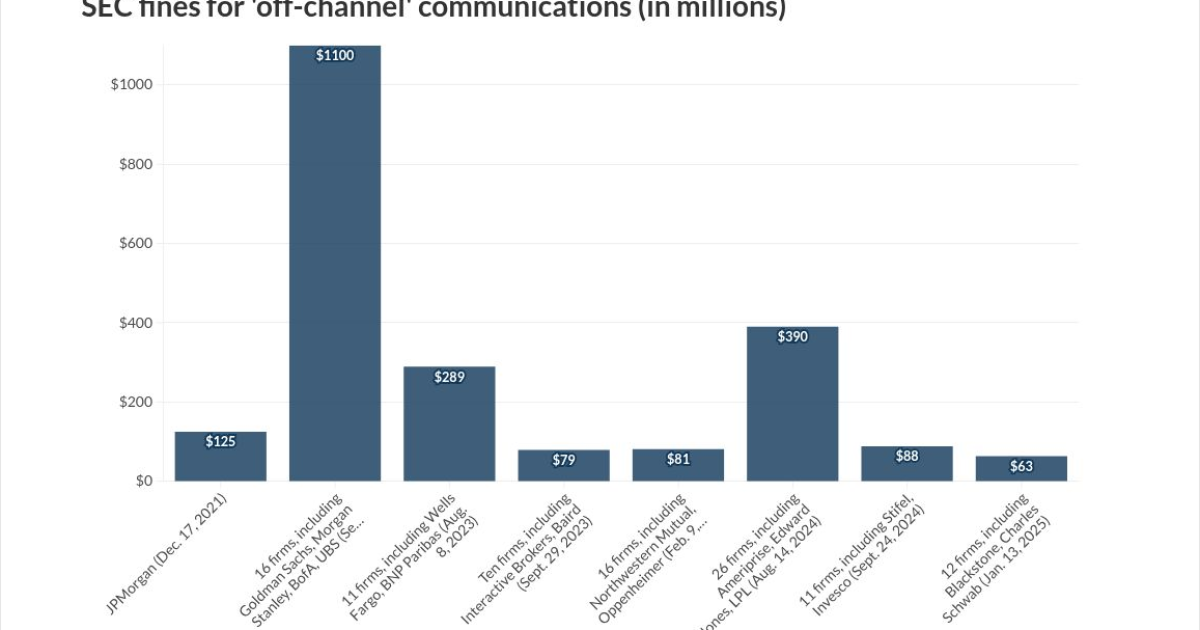
Judge orders SEC to release data behind B in WhatsApp fines

Judge orders SEC to release data behind $2B in WhatsApp fines

March 10, 2026
8 Cost-Cutting Moves Retirees Are Sharing Online in February

8 Cost-Cutting Moves Retirees Are Sharing Online in February

February 14, 2026
3 Grocery Chains That Give Seniors a “Gas Bonus” for Every  Spent

3 Grocery Chains That Give Seniors a “Gas Bonus” for Every $50 Spent

March 15, 2026
8 Procedures That Can Be Cheaper Without Insurance

8 Procedures That Can Be Cheaper Without Insurance

February 14, 2026
FPA partners with Snappy Kraken to update PlannerSearch

FPA partners with Snappy Kraken to update PlannerSearch

February 25, 2026
23 Reasons Visitors Should Stay Away From America

23 Reasons Visitors Should Stay Away From America

0
Iran war impact: Govt mulling diversion of stranded cargo to new markets

Iran war impact: Govt mulling diversion of stranded cargo to new markets

0
Dimona Hit Or Not? | Armstrong Economics

Dimona Hit Or Not? | Armstrong Economics

0
It’s Not Just What You Own, It’s How Much: Machine Learning and the Portfolio Construction Imperative

It’s Not Just What You Own, It’s How Much: Machine Learning and the Portfolio Construction Imperative

0
Key deals this week: Ecolab, Novartis, 3M and more (MMM:NYSE)

Key deals this week: Ecolab, Novartis, 3M and more (MMM:NYSE)

0
Ripple Study Reveals How Financial World Leaders Are Looking At The Market

Ripple Study Reveals How Financial World Leaders Are Looking At The Market

0
Key deals this week: Ecolab, Novartis, 3M and more (MMM:NYSE)

Key deals this week: Ecolab, Novartis, 3M and more (MMM:NYSE)

March 21, 2026
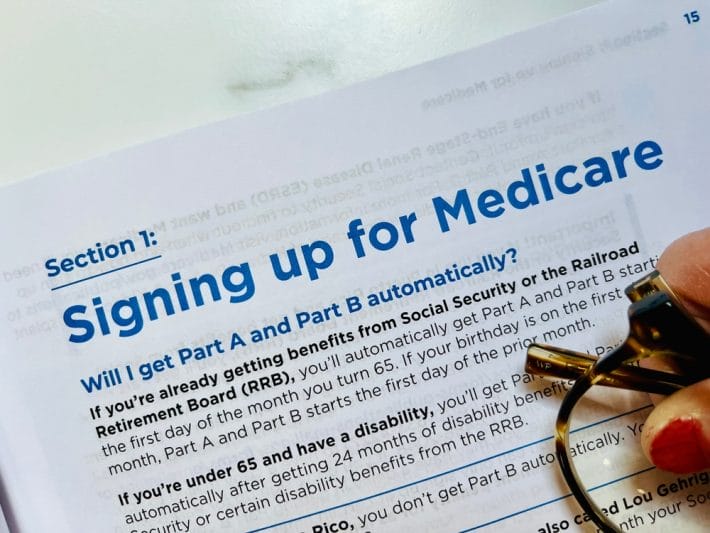
The ‘Medicare Advantage’ Switch: Why You Only Have Until March 31 to Return to Original Medicare

The ‘Medicare Advantage’ Switch: Why You Only Have Until March 31 to Return to Original Medicare

March 21, 2026
Ripple Study Reveals How Financial World Leaders Are Looking At The Market

Ripple Study Reveals How Financial World Leaders Are Looking At The Market

March 21, 2026
OpenAI cofounder says he hasn’t written a line of code in months and is in a ‘state of psychosis’

OpenAI cofounder says he hasn’t written a line of code in months and is in a ‘state of psychosis’

March 21, 2026
Dimona Hit Or Not? | Armstrong Economics

Dimona Hit Or Not? | Armstrong Economics

March 21, 2026
DA Davidson Reaffirms Buy Rating for Commvault (CVLT)

DA Davidson Reaffirms Buy Rating for Commvault (CVLT)

March 21, 2026
FeeOnlyNews.com

Get the latest news and follow the coverage of Business & Financial News, Stock Market Updates, Analysis, and more from the trusted sources.

CATEGORIES

  • Business
  • Cryptocurrency
  • Economy
  • Financial Planning
  • Investing
  • Market Analysis
  • Markets
  • Money
  • Personal Finance
  • Startups
  • Stock Market
  • Trading

LATEST UPDATES

  • Key deals this week: Ecolab, Novartis, 3M and more (MMM:NYSE)
  • The ‘Medicare Advantage’ Switch: Why You Only Have Until March 31 to Return to Original Medicare
  • Ripple Study Reveals How Financial World Leaders Are Looking At The Market
  • Our Great Privacy Policy
  • Terms of Use, Legal Notices & Disclaimers
  • About Us
  • Contact Us

Copyright © 2022-2024 All Rights Reserved
See articles for original source and related links to external sites.

Welcome Back!

Sign In with Facebook
Sign In with Google
Sign In with Linked In
OR

Login to your account below

Forgotten Password?

Retrieve your password

Please enter your username or email address to reset your password.

Log In
No Result
View All Result
  • Home
  • Business
  • Financial Planning
  • Personal Finance
  • Investing
  • Money
  • Economy
  • Markets
  • Stocks
  • Trading

Copyright © 2022-2024 All Rights Reserved
See articles for original source and related links to external sites.