Someone just sent me that title about our generation being the toughest, and you know what I did? Exactly what they predicted—shrugged and kept scrolling. Then it hit me. That response right there? That’s forty years of conditioning telling me that accepting a compliment is somehow weak. That needing recognition makes you soft. We were raised to deflect praise like it was incoming fire, and most of us still do it without even thinking.
We were the last generation raised to need nothing
Growing up in the 60s and 70s meant something different than it does now. Jonathan Haidt nails it: “Children used to have a great deal of freedom to walk to school, roam around their neighborhoods, invent games, get into conflicts and resolve those conflicts—independent of adults—beginning around first or second grade.”
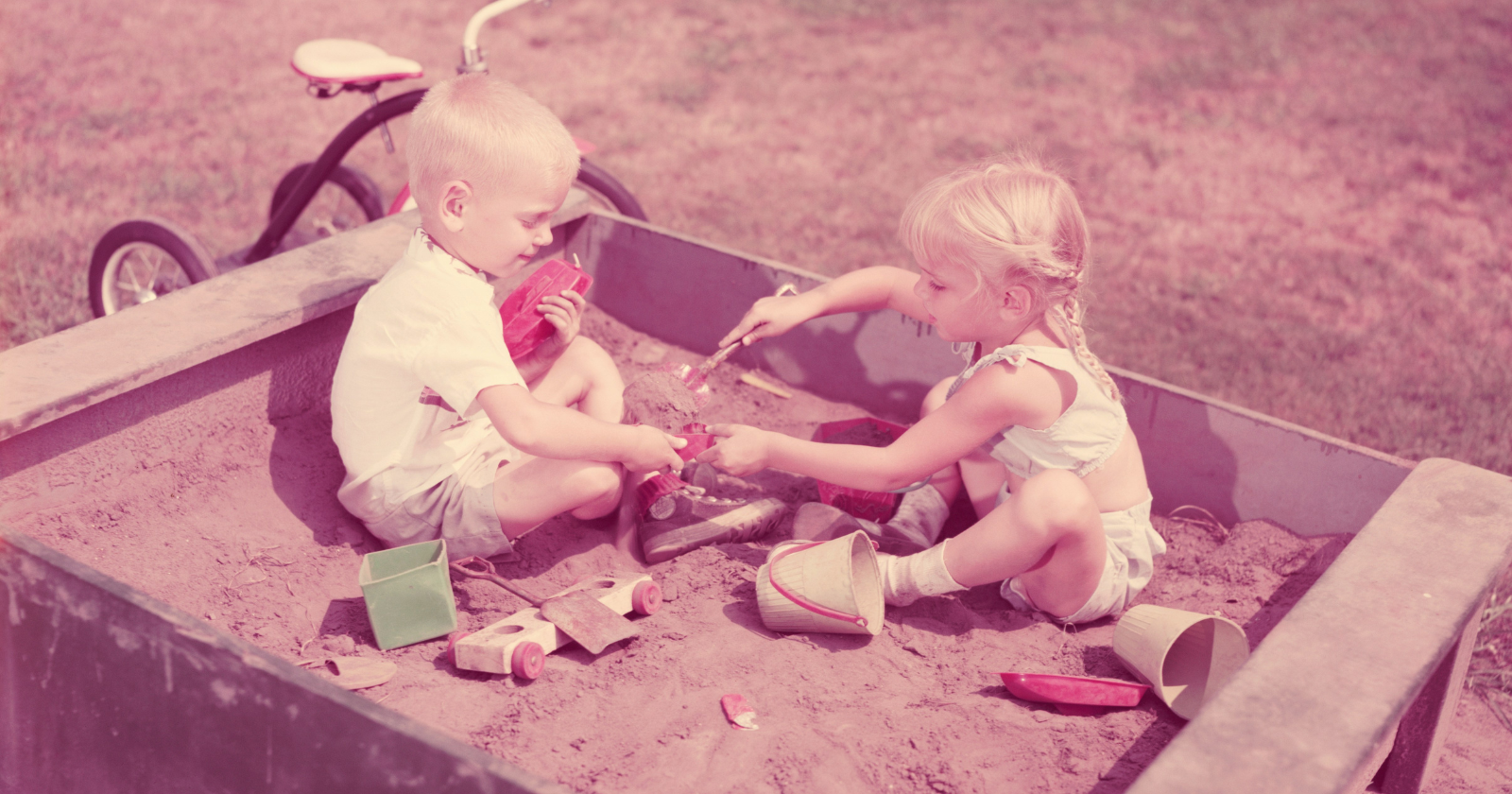
That was us. We left the house after breakfast and came back when the streetlights turned on. Nobody tracked us. Nobody scheduled our play dates. We figured things out or we didn’t, but either way, it was on us.
My old man was a pipefitter. Came home covered in dust, ate dinner in silence, watched the news, went to bed. Never asked how school was. Never helped with homework. Not because he didn’t care—that’s just how it was. You handled your business, and if you couldn’t, you figured out how to fake it.
The message was clear: don’t need anything from anybody. Be self-sufficient. Handle your problems. And whatever you do, don’t complain about it.
Hope and grit came packaged together
Here’s what people forget about that era. Sarah Marsh puts it perfectly: “The 1960s and early 1970s were characterised by a sense of hope and optimism.”
We watched the moon landing on grainy TVs. We saw the civil rights movement change everything. The music was revolutionary. The possibilities seemed endless.
But here’s the thing—that optimism came with a catch. You were expected to earn your piece of it. Nobody was going to hand you anything. You want that better life everyone’s talking about? Better get to work.
I started my apprenticeship at eighteen. First day on the job, the foreman looked at me and said, “You’re going to get hurt, you’re going to mess up, and you’re going to want to quit. The only question is whether you’ll stick around long enough to get good at this.”
That was the welcome speech. No orientation. No mentorship program. Just reality, served straight up.
The revolution that wasn’t quite what it seemed
Margaret Foley observed that “The 1960s counterculture asked questions and begged for answers—and wanted peace.”
We grew up watching our older siblings protest, rebel, challenge everything. But most of us? We went to work. We got married. We had kids. We became exactly what we said we wouldn’t become.
The revolution for most of us was quieter. It was showing up every day. It was paying the mortgage. It was teaching our kids to work hard while secretly hoping they wouldn’t have to work quite as hard as we did.
What they called us versus what we became
You want to know what the experts thought of us back then? Lawrence J. Bradford, Ph.D. summed it up: “They are materialistic. They want money, power, and status.”
Sure, we wanted those things. Know why? Because we watched our parents struggle. We saw what happened when the factory closed or the union went on strike. Security mattered because insecurity was real.
But calling us materialistic missed the point. We didn’t want stuff for the sake of stuff. We wanted stability. We wanted to know the lights would stay on and the kids would eat. If that made us materialistic, so be it.
The science of surviving without a safety net
Sam Goldstein Ph.D. says “Resilience stems from typical adaptive systems in children.”
You know what builds adaptive systems? Having to adapt. And we had to adapt constantly.
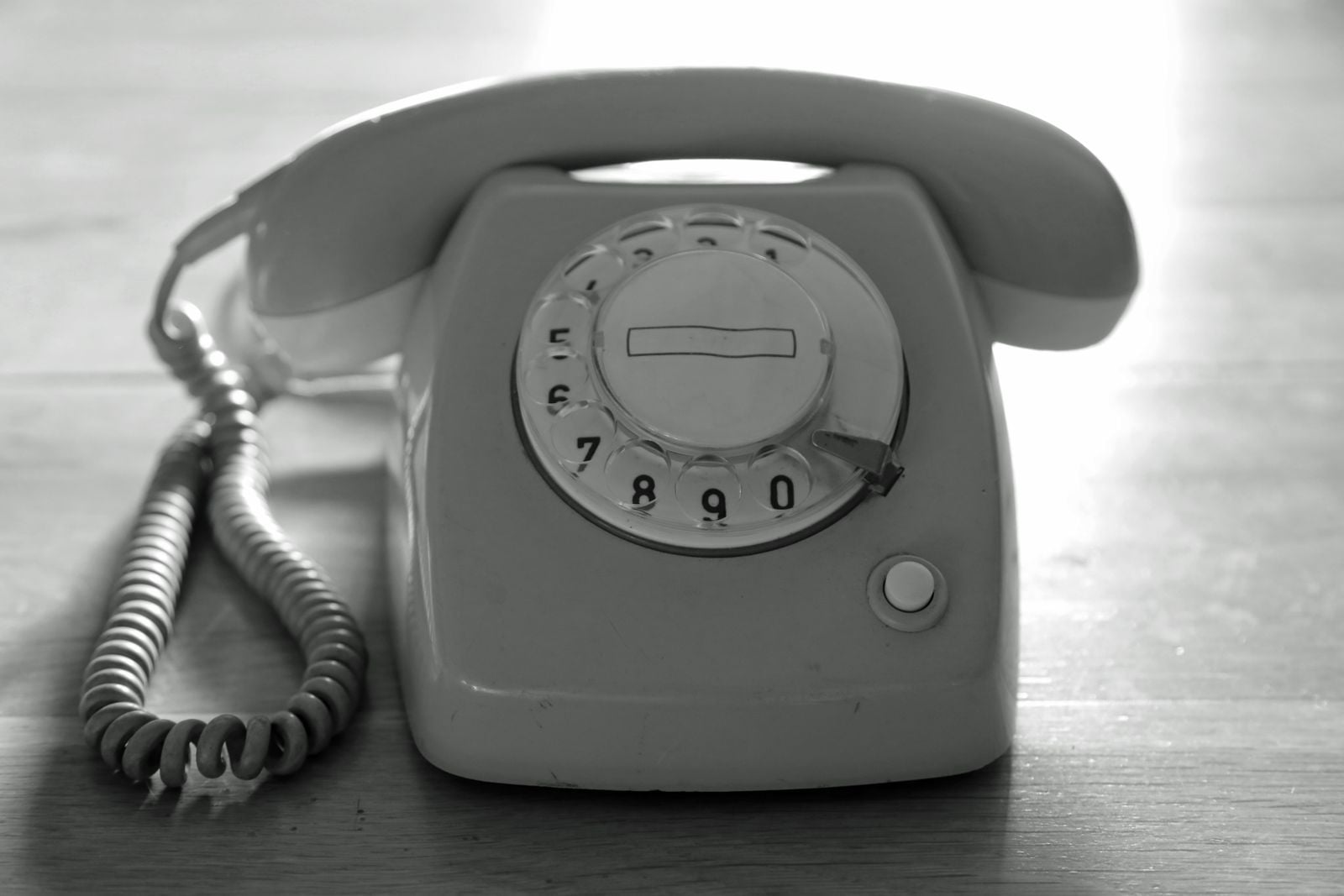
No Google to answer questions. No cell phones to call for help. No GPS when you got lost. You figured it out or you stayed lost.
I remember being young, bike chain broke miles from home. No way to call anyone. No money for a pay phone even if I found one. So I walked that bike home, figured out how to fix the chain with a screwdriver and some wire I found in the garage, and never mentioned it to anyone. Because what would be the point? Problem solved. Move on.
That’s how we learned resilience. Not from workshops or self-help books, but from having no other choice.
Why we still can’t take the compliment
My father died without ever saying he loved me. Not once. I knew he did—he showed up, he provided, he taught me what he knew. But the words? They weren’t in his vocabulary.
That taught me something that took forty years to unlearn: expressing need, even emotional need, was weakness. Accepting help was failure. Taking a compliment meant you were fishing for one.
Even now, someone tells me I did good work, my first instinct is to deflect. “Just doing my job.” “It was nothing.” “Anyone would have done the same.”
We were conditioned to be invisible in our competence. To do the work without recognition. To need nothing, not even acknowledgment.
Before I go
So yeah, maybe we are the toughest generation. We learned to thrive without safety nets, without constant validation, without anyone checking in on our emotional state every five minutes. We figured things out because we had to.
But toughness came at a cost. We struggle to accept help. We deflect compliments. We work ourselves into the ground because that’s what we know. Unlearning those patterns? That’s the real work now.
The irony is, the fact that you’re probably dismissing this whole article right now, thinking it doesn’t apply to you or it’s not that big a deal—that’s the proof right there. We’re so tough we can’t even admit we’re tough. And maybe, just maybe, it’s time to let that guard down a little.