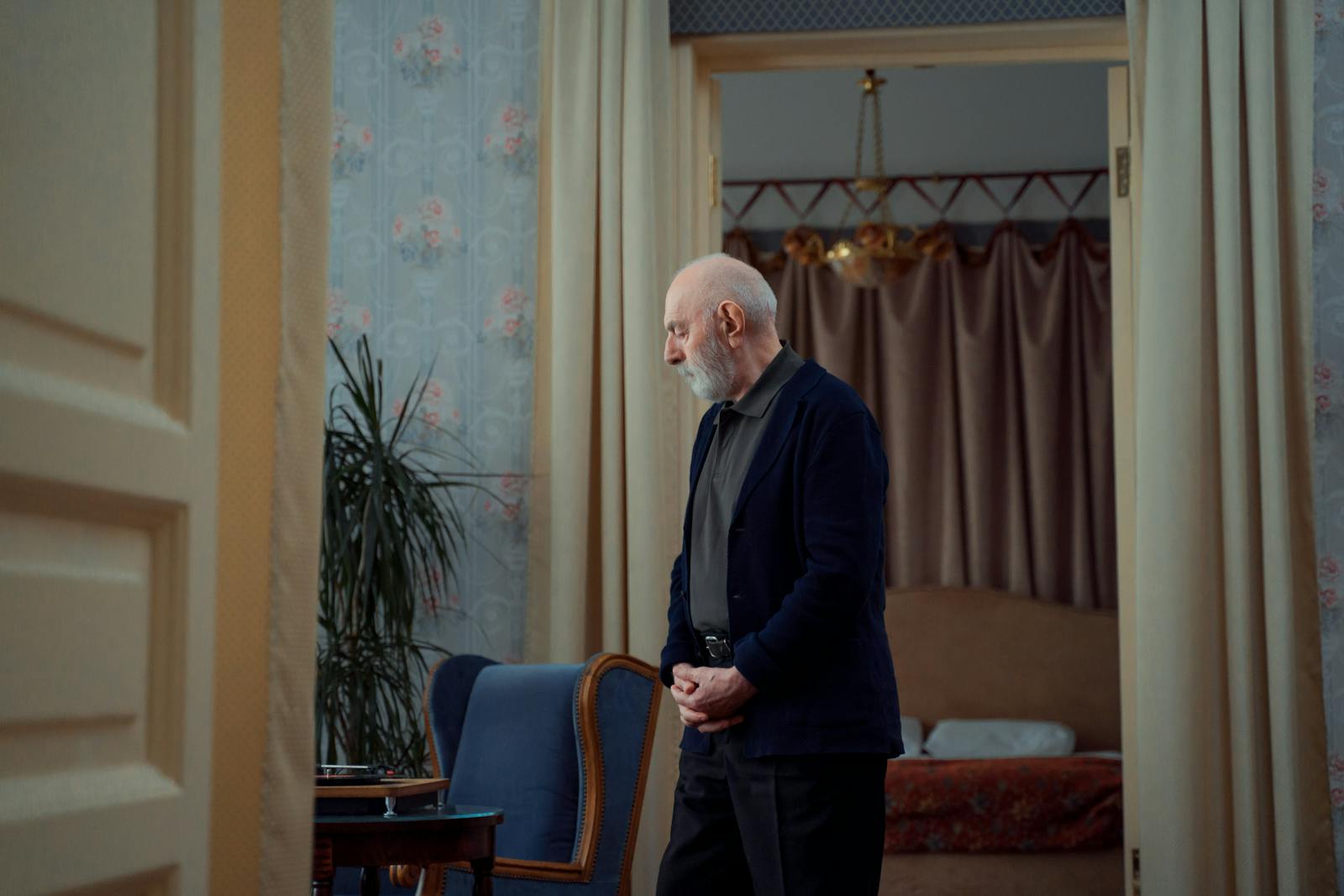
Last week, I was mid-sentence in a conversation with a friend, telling her how great things were going, when I heard myself and just… stopped. Not because I was lying, exactly. But because somewhere between “I’m so busy” and “things are really good,” I realized I didn’t believe a single word coming out of my mouth. The calendar was full. The inbox was overflowing. I had deadlines, people to see, a life that appeared purposefully busy. And I felt completely hollow.
I think there’s a version of loneliness that nobody prepares you for. Not the kind where you wish you had plans on a Saturday night, but the kind where your life looks so good on paper that admitting you’re not enjoying it feels like the ultimate act of ingratitude. I’ve been sitting with that feeling for a while now, and I’m not sure it gets easier to name.
The performance of being fine
When I was laid off during those brutal media industry cuts in my late twenties, everyone expected me to be devastated. And I was, for about a week. Then came something worse. The realization that I’d been performing happiness in a job that looked perfect but felt empty. The four months of freelancing that followed taught me something crucial about this particular breed of loneliness. It’s not about being alone. It’s about feeling disconnected from your own life while everyone assumes you’re living the dream.
Mark Twain once said, “The worst loneliness is not to be comfortable with yourself.” But what happens when you’re not comfortable with a life that everyone else thinks should make you comfortable?
I’ve watched friends post about promotions while privately texting me about Sunday night dread. I’ve seen colleagues celebrate milestones that left them feeling more trapped than triumphant. We’re all walking around with these invisible struggles, unable to articulate why success feels so unsuccessful.
When anxiety becomes your coworker
My anxiety started showing up regularly in my early twenties, but I convinced myself it was just “being driven” or “caring about quality.” It wasn’t until a panic attack at twenty-seven, right in the middle of a deadline crunch, that I realized something was seriously wrong.
There’s a quote I came across recently that perfectly captures what anxiety feels like: “Anxiety is a lot like a toddler. It never stops talking, tells you you’re wrong about everything, and wakes you up at 3 a.m.”
That’s exactly it. And when your life looks full and accomplished, anxiety becomes this secret roommate you can’t evict. You smile through meetings, nail presentations, check all the boxes. Then you go home to a mind that won’t stop spinning about how you’re somehow failing at a life that looks successful.
The perfectionism trap
Here’s what nobody tells you about having a life that looks good from the outside: the pressure to maintain that image becomes its own prison. Research has found that perfectionism is associated with greater dissatisfaction and a tendency to present oneself in the best possible light, which may contribute to feelings of loneliness despite outward success.
I think about this every time I catch myself curating my professional image. The folder of reader emails I keep, the ones from people who said my articles helped them understand their toxic workplace or finally quit a bad job, should make me feel accomplished. And they do, sometimes. But they also remind me of the gap between who I appear to be (someone with answers) and who I actually am (someone still figuring it out).
Frieda Fromm-Reichmann, a psychiatrist, noted that “Loneliness is when we feel our separateness as human beings.” But I’d argue it’s also when we feel separated from our own lives. When the person living your life doesn’t feel like you.
The success paradox
Kunal Nayyar, who found massive success on The Big Bang Theory, described exactly what I’m talking about when he said, “You feel empty.” He had everything he’d ever wanted by thirty, yet felt hollow inside.
This resonates deeply. We’re told that achievement equals happiness, that busy equals important, that a full calendar means a full life. But research indicates that individuals with high self-esteem may not necessarily experience better performance, interpersonal success, happiness, or healthier lifestyles, suggesting that external appearances of success don’t guarantee internal satisfaction.
When my best friend from college and I slowly drifted apart, I learned that friendships require maintenance, not just history. But I also learned something harder to accept: sometimes we outgrow the versions of ourselves that our lives were built around. And that’s terrifying when you’ve invested so much in building that life.
The isolation of being misunderstood
Perhaps the cruelest part of this whole experience is how alone it makes you feel. A study found that loneliness is detrimental to well-being and is often accompanied by self-reported feelings of not being understood by others, suggesting that individuals may feel isolated despite outward success.
When you try to explain that you’re struggling despite having what looks like a good life, people often respond with variations of “but you have so much to be grateful for” or “I wish I had your problems.” These responses, while perhaps well-intentioned, don’t just fail to help. They make it worse. They confirm the thing you were already afraid of: that your feelings aren’t valid, that you’re being ungrateful, that you should just shut up and appreciate what you have. This might not apply to everyone. But the people I have spoken to say otherwise.
Hunter S. Thompson wrote, “We are all alone, born alone, die alone … and we shall all someday look back on our lives and see that, in spite of our company, we were alone the whole way.”
Heavy? Yes. But also oddly comforting. Maybe this loneliness isn’t a personal failure but a universal human experience we’re all just too afraid to admit.
Final thoughts
I’m in a relationship of two years with someone who works in a completely different field, and they help me remember that work isn’t everything. But even with that support, I still struggle with this peculiar loneliness. Some days are better than others. Most days I can’t tell which kind of day it is until it’s already over.
I wonder sometimes if admitting you’re not enjoying your life is supposed to lead somewhere. Like there should be a step after the admission. A fix, a shift, a moment where it clicks into place. But I’ve been waiting for that moment, and it hasn’t come. What I have instead is this: a good life I’m not sure I’m enjoying, and no clear sense of whether that’s something I can change or something I just learn to carry. I don’t know if naming this loneliness makes it smaller. I’m not sure it does.