Add Silicon Canals to your Google News feed. 
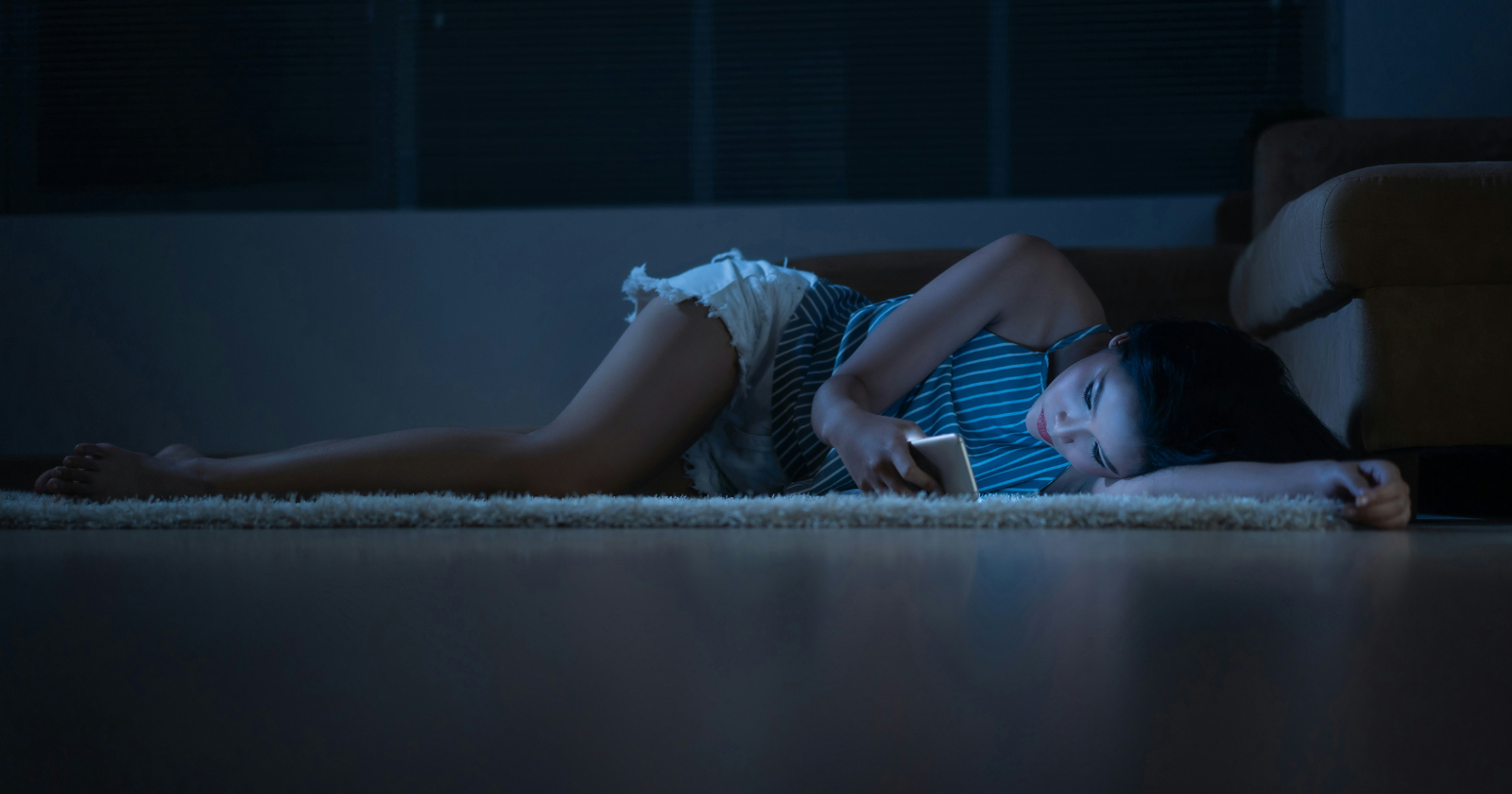
Last week, I sat on the couch in our apartment in Itaim Bibi after cleaning the kitchen, prepping Emilia’s snacks, and texting my husband about a grocery list. It was past midnight. I wasn’t even doing anything special. Just scrolling. I knew the alarm would go off at 7 a.m. and I’d regret it.
Yet I stayed up anyway, savoring the quiet like it was contraband.
There is a term for this. It’s called revenge bedtime procrastination, and it describes the choice to delay sleep in order to reclaim personal time when the day feels overcrowded.
If your nights have started to feel like the only window that belongs to you, you are very much in the club.
What the term actually means and where it came from
The behavior itself was described in research before the “revenge” label existed. In 2014, Dutch psychologists introduced “bedtime procrastination” as a pattern where people go to bed later than intended without any external reason.
In their words, it is the kind of delay that reflects problems with self-regulation and it is linked with getting too little sleep. I like the simplicity of their definition because it removes the drama and gets to the point. The paper is still widely cited, and it shows this isn’t a social media fad.
So what about the “revenge” part? The phrase surfaced in Chinese internet culture in the late 2010s, tied to frustration about long work hours and minimal leisure.
In June 2020, the concept crossed into English when the journalist Daphne K. Lee tweeted that she had learned a relatable term, “a phenomenon in which people who don’t have much control over their daytime life refuse to sleep early in order to regain some sense of freedom during late night hours.”
The tweet resonated because it named an emotional truth that many people had been feeling, especially during the pandemic when boundaries between work and home collapsed.
Sleep organizations have since adopted the term and folded it into practical guidance. The Sleep Foundation explains that the “revenge” label grew out of Chinese language and social media, and describes the dynamic many of us know well.
The day is ruled by work and caregiving. The night is where we try to take our time back.
Why it shows up in busy seasons of life
When I talk with other parents in São Paulo, this pattern shows up most on weekdays.
We’re up at seven, doing the breakfast shuffle at the kitchen island, walking Matias to work, then I’m in back-to-back tasks until bedtime. After we run the bath, read the story, prep the bottle, and wipe down the counters, I finally exhale. The quiet is delicious. The brain says, stay. You deserve this. The clock says, sleep.
Researchers would say there is more going on than a simple choice. A 2022 meta-analysis found that bedtime procrastination is moderately linked with lower self-control and with being more of an evening type. It is also associated with shorter sleep, worse sleep quality, and more daytime fatigue. This is useful because it tells us the habit is both understandable and costly. You get a little relief at night and a heavier load the next day.
There are social and structural layers too. The term gained momentum in cultures where burnout and long workdays are common. It also landed during a global health crisis that blurred time and added caregiving strain at home. Media outlets in 2020 and 2021 ran with it, but beneath the headlines was a simple reality. If your day has no margins, you will try to draw one at night.
How experts define the pattern
Clinicians often describe three ingredients that separate a late night from revenge bedtime procrastination.
First, the delay is voluntary. Second, there is no outside reason for staying up. Third, you know it will hurt tomorrow, and you do it anyway.
This matches the research language from 2014 and the guidance sleep technologists offer today. It’s not a diagnosis on its own. It is a behavior pattern that can be addressed, and it responds to changes in routine and environment.
I find language helpful here. Calling it revenge is emotionally satisfying, but it can also make the habit feel heroic.
The science name, bedtime procrastination, is a little boring on purpose. It nudges us toward looking at choices and friction points instead of grand narratives. For me, that framing reduces guilt and increases agency.
What it looks like at home
In our apartment, the pattern appears on nights when my calendar ran me instead of me running my calendar.
It happens after a day that was efficient but not nourishing. On those nights I linger in the kitchen, clean something that does not need to be cleaned, and then scroll the same three apps while pretending I am researching a recipe. Sometimes I read. Sometimes I organize a closet. None of it is truly restful.
When I am honest, I can usually trace it back to a day without small pockets of joy. No sunshine walk. No phone call with a friend. No fifteen minutes of drawing with Emilia where I allow the mess. The night then carries the pressure of being the only time that belongs to me. That is a heavy job for an hour after 11 p.m.
What the data says about the tradeoffs
The consequences are well documented. Bedtime procrastination trims sleep duration and lowers sleep quality, which compounds stress and slows reaction time the next day. That has real effects on work, parenting, and safety.
As one recent review put it, shorter sleep and more fatigue are consistently tied to bedtime procrastination across studies. If you recognize yourself in this pattern, you are not weak. You are running a human system with limits.
I keep a running note of how I feel after nights like these. It is predictable. I am more irritable during our morning walk. I rely on coffee in the late morning and crave sugar by mid-afternoon. I feel less present during bath time. I rarely write anything I like after 10 p.m., yet I keep trying as if that will change.
Seeing the pattern in writing makes it easier to choose differently.
The small fixes that help without perfection
The most useful advice I’ve received from sleep experts is simple and boring. Create a bedtime routine that starts earlier than you think.
Choose one or two cues that tell your body it is winding down. Keep the bedroom dark, quiet, and cool. On paper, this is not exciting. In practice, it is powerful because it lowers the friction to do the thing you already want to do. The Sleep Foundation puts it plainly, and I have found their checklists easy to adapt.
The other piece is daytime design. When I schedule small moments that feel like mine, the night loses its pull. Ten minutes with a book after lunch. A quick walk to get sunlight on my face. A pot of tea in the late afternoon before the dinner sprint. These slivers do not fix overwork on their own, but they dilute the pressure that builds up and explodes at midnight.
None of this requires perfection. It asks for one honest question at a time. What exactly am I trying to get from staying up? If I want quiet, can I find five minutes of it at 3 p.m.? If I want choice, can I protect one small thing in the day that is just for me?
What to do on the nights you still stay up
You will still have nights when you say, today was a lot, and I want this hour. On those nights, I try to make the choice intentional. I set an alarm for thirty minutes. I pick one indulgence and enjoy it fully.
Then I close the loop. I put the phone in the kitchen, brush my teeth, and get in bed. I do not open another tab. That simple boundary keeps me from drifting into a two-hour fog that steals tomorrow.
It also helps to remember the feel of a good morning. When I go to bed on time, I wake up kinder. Breakfast is smoother. Emilia laughs more because I have energy to be silly. The workday feels doable. That memory makes the tradeoff clearer in the moment.
What the story says about culture and care
Revenge bedtime procrastination is a personal behavior, but it is also a signal about the shape of our days.
If people are consistently stealing time from sleep, it means their daytime has become too narrow. Workplaces, schools, and families can help by making daylight hours more humane. Flexible windows for focused work. Clear stop times. Shared chores. You still need individual habits, but the environment matters.
To me, the point is not to shame anyone for wanting a sliver of self at night. It is to make sure we can reclaim that feeling earlier, in small and honest ways. Then bedtime can return to what it should be. A clear landing where the body rests and tomorrow gets a chance.