Add Silicon Canals to your Google News feed. 
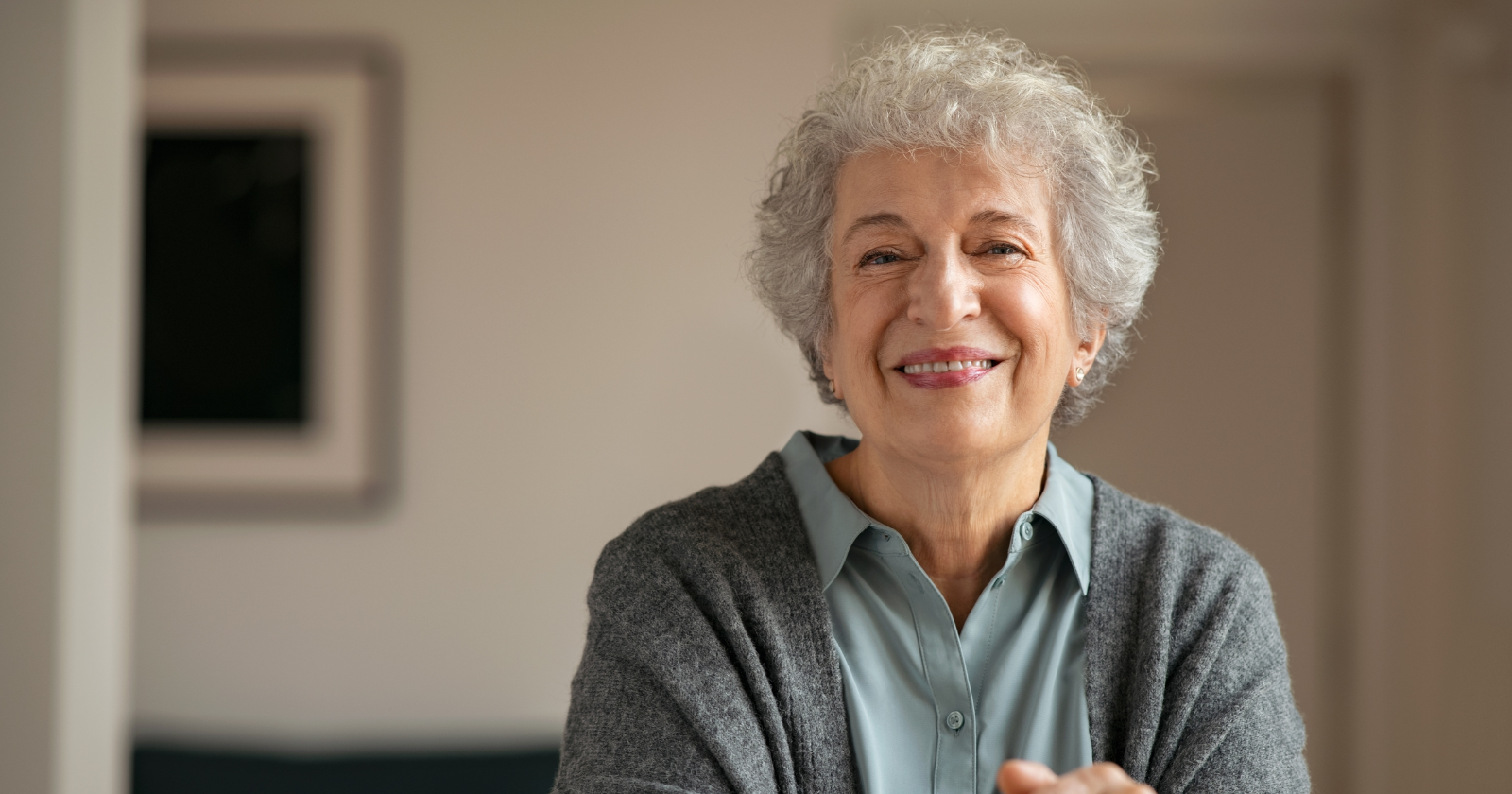
I was carrying groceries up the stairs when my neighbor called out from her doorway. “You’re always rushing, dear. Do you ever just stop?”
I paused, plastic bags cutting into my fingers, and gave her the polite smile reserved for well-meaning neighbors. But something in her expression made me set the bags down. Margaret had lived next door for fifteen years, and I’d never seen her look quite so serious.
“Can I ask you something weird?” I found myself saying. “If you could go back and tell your forty-year-old self one thing, what would it be?”
She studied me for a long moment, then said something that would replay in my mind for weeks afterward. By the time I got to my car later that evening, I had to pull over because I couldn’t see through the tears.
The weight of waiting for “someday”
Margaret’s answer was devastatingly simple: “I’d tell her to stop saving her good china for special occasions that never came.”
At first, I thought she was being literal. But as she continued, leaning against her doorframe in her floral housedress, I realized she was talking about something much bigger. She told me about the trips she’d postponed until retirement, only to have her husband develop health issues that made travel impossible. About the novel she’d always meant to write but kept putting off until the kids were grown, then until she had more time, then until she felt ready.
“I had this beautiful set of china,” she said, “wedding gift from my mother. Used it maybe five times in forty-seven years of marriage. After my husband died, I started eating my morning eggs on those fancy plates. Every single day. You know what I discovered? Food doesn’t actually taste better on special occasions.”
That’s when it hit me. How many metaphorical china sets was I keeping locked away? How many experiences, conversations, and dreams was I saving for some mythical “right time” that might never arrive?
The permission slip we never signed
What struck me most about Margaret’s revelation was how familiar it felt. In all my interviews over the years, this theme emerges constantly. People waiting for permission to live their actual lives. Waiting to feel qualified enough, successful enough, or simply enough.
Why do we do this to ourselves? Maybe it’s because treating life as precious feels too vulnerable. If we save the good china, we can pretend we have infinite special occasions ahead. If we keep our dreams in storage, they can’t disappoint us. There’s safety in someday.
But Margaret’s words kept echoing: “The only special occasion is being alive today.”
The math that doesn’t add up
Here’s what really got me. Margaret did the math for me. She’s eighty-seven. If she’s lucky, she said, maybe she has five good years left. “That’s 260 weeks,” she said. “260 Sunday dinners. Maybe 260 more times to watch the sunset from my porch. When you put it that way, doesn’t seem like so many, does it?”
I’m in my thirties. If I live to Margaret’s age, I have roughly 2,800 weeks left. That sounds like a lot until you break it down. Maybe 50 more summers. Fifty more times to watch the leaves change. If I visit my parents four times a year, and they live another twenty years, that’s just 80 more visits.
The math is sobering. We act like we have infinite time to get around to the important stuff, but we don’t. We have a finite number of moments, and we’re spending so many of them waiting.
What living looks like at eighty-seven
The plot twist? Margaret isn’t spending her remaining weeks in regret. After our conversation moved inside her apartment, I saw how she’s completely revolutionized her approach to time.
She’s learning Italian through an app on her tablet. “I’ll probably never make it to Rome,” she laughed, “but my brain doesn’t know that.” She’s writing “terrible” poetry that she reads at the senior center’s open mic nights. She calls her sister every Sunday, even though they hadn’t spoken for fifteen years before her husband died.
“I wasted so much time being careful,” she told me. “Careful with my feelings, careful with my money, careful with my dreams. You know what careful got me? A storage unit full of stuff I never used and a heart full of ‘what ifs.’”
She showed me a photo from last week. Her and five other women from her building, all in their eighties, at a karaoke bar downtown. They go every month now. “We’re terrible,” she said, grinning. “But terrible is better than silent.”
The urgency of ordinary moments
Since that conversation, I’ve been trying to live differently. Not in dramatic ways, but in small, daily choices. I called an old friend I’d been meaning to reconnect with “when things slowed down.” I wore the dress I’d been saving for a special occasion to get coffee. I told my partner I loved him on a random Thursday afternoon, not because anything momentous happened, but because I felt it right then.
These might seem like tiny things, but Margaret would argue that’s exactly the point. Life isn’t lived in the grand gestures. It’s lived in the accumulation of ordinary moments we choose to make extraordinary simply by being present for them.
My grandmother used to say something similar in her letters. “Don’t wait for life to be perfect before you celebrate it,” she wrote in one I still keep in my desk drawer. I thought I understood what she meant. But it took an eighty-seven-year-old neighbor to make me realize I’d been nodding along while still keeping my own china locked away.
Final thoughts
When I finally made it back to my apartment that evening, groceries forgotten in the car, I sat with Margaret’s words. The tears came partly from recognition, partly from grief for time already spent waiting, but mostly from relief. Because if an eighty-seven-year-old can start living differently, then surely I can too.
The thing about good china is that it’s only valuable if you use it. The same is true for our dreams, our love, our time. Margaret didn’t tell her forty-year-old self to achieve more or worry less. She told her to stop waiting for life to begin. To stop treating existence like a dress rehearsal.
Tomorrow, I’m starting Italian lessons. Not because I have a trip planned or because it’s practical, but because I’ve always wanted to. And if Margaret taught me anything, it’s that wanting to is reason enough.