As the Iran war continues into its second week, markets remain unsettled by uncertainty over oil prices and inflation — two forces that ripple through the economy to affect mortgage rates.
The average rate on a 30-year fixed-rate mortgage rose seven basis points to 5.98% APR in the week ending March 12, according to rates provided to NerdWallet by Zillow. A basis point is one one-hundredth of a percentage point.
Explore mortgages today and get started on your homeownership goals
Get personalized rates. Your lender matches are just a few questions away.
GET STARTED
Won’t affect your credit score
Inflation remained steady in February
Today, we’re smack dab in the middle of two key inflation data drops: the Consumer Price Index (CPI), released March 11, and the Personal Consumption Expenditures (PCE) report, coming March 13. These reports measure inflation in subtly different ways, with PCE as the Federal Reserve’s preferred measure.
February’s CPI came in about as expected at 2.4%, showing inflation didn’t meaningfully speed up or cool down. But economic data works a little like a rearview mirror — it shows where we’ve been, not what’s directly ahead. February’s CPI and PCE are snapshots of the economy before the conflict in Iran began.
“This data provides a baseline from which to measure the impact of the war in Iran on energy prices and beyond,” says Elizabeth Renter, NerdWallet senior economist. “The longer the conflict continues, the greater the risk of it pushing overall inflation upward.”
The Fed faces a foggy road ahead
Officials at the Fed will meet March 17-18 to review important economic gauges — the labor market and inflation — and decide their next move. In light of unexpected job losses and inflation that remains ever-so-slightly above their comfort zone, policymakers are widely expected to keep the federal funds rate steady.
“If today’s data was the end-all of inflation information when the Fed met next week, it wouldn’t change the discussion much,” Renter says. “But the central bank must keep ongoing threats to price stability in mind, and the current military conflict produces a threat of yet-unknown magnitude.”
In other words: The Fed’s balancing act is getting harder. A cooling labor market might prompt rate cuts, but the Iran war’s risks to inflation make it difficult to move too quickly. When the road ahead looks foggy, it’s often safer to ease off the gas than to make an abrupt turn — no matter who’s in the backseat begging for a rate cut.
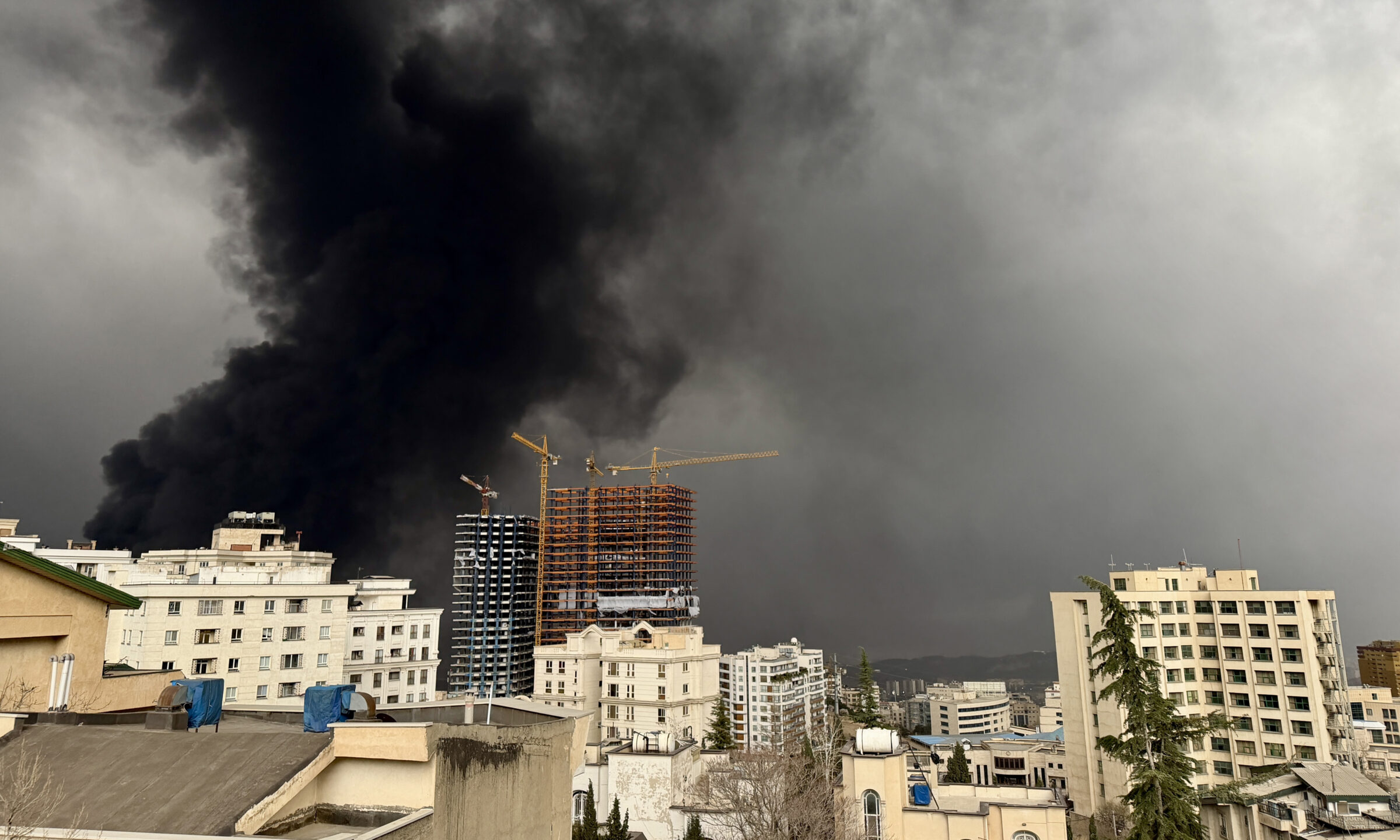
(Photo by Majid Saeedi / Getty Images News)