You can feel perfectly fine and still have a heart rhythm problem that quietly increases your risk of stroke. That’s the reality of what doctors call “silent AFib,” a form of Atrial fibrillation that often shows little to no symptoms until something serious happens. For men over 50, the risk climbs sharply with age, making early awareness critical.
Most people assume that if they feel okay, then everything is fine. But untreated AFib can lead to life-altering complications like stroke or heart failure. In fact, many people only discover they have AFib after a major event has already occurred. Here’s what you need to know about silent AFib risk in men over 50 and how to protect yourself before it’s too late.
What “Silent AFib” Really Means
Silent AFib refers to atrial fibrillation that occurs without noticeable symptoms. Many people expect a racing heart or chest pain, but that’s not always the case. In fact, AFib is often discovered during routine exams or after complications like a stroke. This makes it especially dangerous because it can go untreated for years. Even without symptoms, the irregular heartbeat can still form blood clots.
AFib can be intermittent, meaning it comes and goes. This makes it harder to detect during a standard doctor visit. Without continuous monitoring, irregular rhythms may not be captured. Some people only discover AFib through wearable devices or extended testing. Screening programs have found many previously undiagnosed cases in older adults.
Age Is the Biggest Risk Factor You Can’t Control
The likelihood of developing AFib increases significantly as you get older. Studies show that the condition becomes far more common in people over 50 and continues rising with age.
For men, this risk can climb quickly due to lifestyle and underlying health factors. Doctors often recommend screening beginning around age 65, but risks can start earlier.
One of the most alarming facts is how often AFib goes unnoticed. Experts estimate that up to 40% of people with AFib experience no symptoms at all. That means nearly half of the cases could be developing silently. Without symptoms, people rarely seek medical evaluation.
Stroke Risk Is Significantly Higher With AFib
AFib isn’t just a rhythm issue. It’s a major stroke risk factor. Research shows AFib can increase stroke risk by three to five times. Clots can form in the heart and travel to the brain without warning. In silent cases, this may be the first noticeable sign of the condition.
AFib-related strokes also tend to be more severe than others. That’s why early detection of silent AFib risk in men over 50 is critical.
Subtle Signs You Might Be Missing
Even though it’s called “silent,” there can be subtle clues. Some men experience mild fatigue, shortness of breath, or occasional dizziness. Others notice reduced stamina or feel “off” during exercise. These symptoms are easy to dismiss as normal aging. However, they may signal an underlying heart rhythm issue.
Certain conditions make AFib more likely, especially after 50. High blood pressure, diabetes, and heart disease are major contributors. Obesity, sleep apnea, and alcohol use can also raise your risk. Many of these factors are manageable with lifestyle changes. Unfortunately, they often go untreated or unnoticed for years. Managing these conditions is key to lowering silent AFib risk in men over 50.
Simple Screening Can Catch It Early
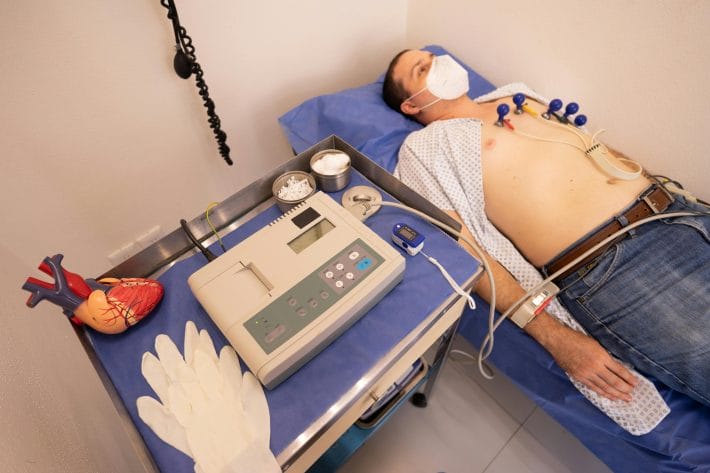
All of that being said, AFib is relatively easy to detect once you look for it. Doctors can identify it through an electrocardiogram (ECG) or wearable monitoring devices. Some smartwatches can even alert users to irregular heart rhythms. Regular checkups become increasingly important after age 50. Even a quick pulse check can sometimes reveal irregularities.
Once diagnosed, AFib is highly manageable. Medications like blood thinners can significantly reduce stroke risk. Research shows proper treatment can lower stroke risk by up to 80%. Other treatments may include heart rhythm medications or procedures. Lifestyle changes also play a major role in managing the condition.
Prevention Starts With Everyday Habits
While you can’t control your age, you can control many risk factors. Maintaining a healthy weight, managing blood pressure, and staying active all help reduce risk. Limiting alcohol and addressing sleep apnea are also important steps. Routine checkups become more important as you age. Even small lifestyle changes can make a meaningful difference.
At the end of the day, silent AFib won’t announce itself. It will sneak up on you. So, be sure that you attend your regular screenings, routine checkups, and pay attention to subtle symptoms. It could make a world of difference for your health.
Have you ever had your heart rhythm checked, or is this something you’ve never thought about before?
What to Read Next
9 Legal Documents Most Americans Over 50 Still Don’t Have
The $10k Skill: How to Use Government Training Dollars to Future-Proof Your Career After 50
Ohio Adults Over 50: The New Medicaid Asset Test Rule Affecting Long‑Term Care Planning

Drew Blankenship is a seasoned automotive professional with over 20 years of hands-on experience as a Porsche technician. While Drew mostly writes about automotives, he also channels his knowledge into writing about money, technology and relationships. Based in North Carolina, Drew still fuels his passion for motorsport by following Formula 1 and spending weekends under the hood when he can. He lives with his wife and two children, who occasionally remind him to take a break from rebuilding engines.