Like many investors, I have a lot of my retirement fund invested in stocks. And like many investors, I’ve been white-knuckling it for a month now as my portfolio plummets.
The war with Iran has trashed the stock market, now down for 5 consecutive weeks and entering correction territory, meaning down 10% or more.
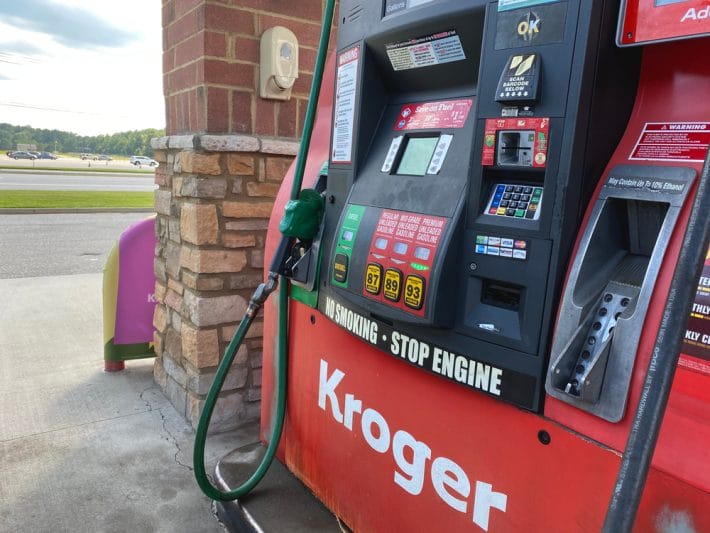
Interest rates have risen radically and gas prices are crossing $4/gallon, up more than $1/gallon from pre-“excursion” levels.
When will all this end and when will stock prices recover?
I recently asked artificial intelligence (Gemini Pro, specifically) for input. Here’s the wording of the question I asked, otherwise known as a prompt:
You’re one of Wall Street’s leading experts on the economy, stocks and interest rates. Investors have watched their savings being butchered as higher interest rates and gas prices threaten to send inflation higher and stocks lower.
Investors are clamoring for advice and looking to you for answers. They want to know what’s going to happen in three specific areas: stocks, interest rates and the housing market. What will you tell them?
First, I’ll give you the answer AI provided, then I’ll offer my opinion from my over 40 years of stock market investing and advising.
Here’s the answer from AI
You’ve watched your savings get butchered, and you’re not alone. Between climbing gas prices and interest rates that have been creeping higher, inflation is threatening to send the stock market into a tailspin.
People are clamoring for answers. They want to know when the bleeding stops and what to do with their money right now.
According to Bloomberg, recent inflation data is proving much tougher to beat than experts originally predicted. That means the era of easy money is dead.
Here’s exactly what you need to do regarding stocks, interest rates and the housing market.
1. Stop waiting for the stock market to rescue you
The reality: Wall Street is throwing a tantrum because the days of falling rates are gone, at least in the near future. Higher gas prices eat directly into corporate profits and consumer wallets, which means stock prices are going to stay choppy.
The strategy: Stop trying to time the bottom. It’s a fool’s errand. Instead of panic-selling your entire portfolio into cash, you need to pivot your investments to quality. Look for companies that generate massive amounts of cash and pay consistent dividends.
When inflation runs hot, you want to own businesses that can pass their higher costs directly onto the consumer without losing a single sale, like drug companies. If you’re holding onto speculative, unprofitable tech stocks hoping they’ll magically rebound to their past highs, you’re going to get burned.
2. Milk the interest rate environment for guaranteed cash
The reality: Higher interest rates are a nightmare if you’re carrying credit card debt, but they’re a goldmine if you have cash sitting around.
The strategy: The Federal Reserve is keeping rates elevated to fight off inflation. That means you can get paid a highly respectable return without taking on any stock market risk. If you have money sitting in a traditional checking account earning zero point nothing, you’re literally losing money to inflation every single day.
Move your cash into a high-yield savings account, buy a short-term bond fund or lock in a certificate of deposit. You can easily find yields hovering around 4% or 5% right now.
Take the guaranteed money while it’s sitting right there on the table.
3. Face reality on the housing market
The reality: Buyers are exhausted. You’ve got high home prices colliding head-on with higher mortgage rates, creating the most unaffordable housing market we’ve seen in decades.
The strategy: You need to erase the idea of a 3% mortgage from your memory. It isn’t coming back anytime soon. If you’re sitting on the sidelines hoping for a housing crash that will let you swoop in and buy cheap, you’re going to be renting for a very long time.
If you find a house you love and you can easily afford the monthly payment today, buy it. If rates eventually drop down the road, you can always refinance. But if buying stretches your monthly budget to the limit, stay put and keep renting. Don’t let the fear of missing out force you into a 30-year financial prison.
Now, here’s my opinion
What’s happening with stocks, interest rates and housing these days is brutal, but it’s not complicated.
Trump’s “excursion” into Iran is fueling inflation and threatening the world economy as higher fuel prices and interest rates filter through the financial system.
Keep in mind that higher gas prices aren’t only something you feel when you fill up. They raise the price of everything that’s being transported, which is basically everything. And oil is also a key ingredient in many products, ranging from plastics to fertilizer.
Higher prices obviously goose inflation, but they also hurt the economy, as more of your disposable income goes to gas and less to other things.
As I’ve said before, the depth of damage to the world’s economy hinges on two things:
How long the war lasts
How long it takes to repair the damage
When the war ends, which will hopefully be soon, things won’t instantly go back to normal. Damaged Middle Eastern infrastructure will take months, even years, to rebuild. This will keep oil prices higher for longer, which in turn will keep interest rates higher for longer.
The danger is that higher rates and a slowing economy will result in a situation known as stagflation: a combination of increasing inflation and a lousy economy.
If it continues long enough, a recession can result.
What I’m doing now
Although I have a lot invested in the stock market, I’ve also been keeping a lot of cash on the sidelines. Even though I don’t expect a quick market turnaround, I’ve started periodically deploying a little of that cash into the Invesco S&P 500 Equal Weight ETF.
With rates higher, I also want to add to various bond funds in my retirement accounts. But I’m going to wait a bit to see if they might get cheaper as inflation begins to bite and rates rise further.
In short, I’m doing some dollar-cost averaging into stocks and for now at least, waiting to add to fixed income investments.
Still stressed? Check out my recent article, “Freaking Out About the Stock Market? Read This.” And if you’re not already a member of this site, subscribe right now for more updates and free expert advice.