Dave:How do you spot deals in a confusing market? How do you find opportunity when there’s a lot of negative sentiment about real estate? These are the questions that every investor is asking themselves right now and today on the show we’re going to help you answer it. If you listen to the show, you already know James Dainard. He’s a regular on our panel episodes, a friend of mine and one of the most active operators I know he’s done pretty much every kind of investing there is. And when the market is shifting, he’s one of the people I turn to. I always want to hear what he’s seeing on the ground, not just in the data, but in the real deals he’s doing, the real negotiations he’s doing and the real numbers that he’s earning. I’m Dave Meyer and today on On the Market, James is back for an open check-in on the housing market, his portfolio and how he spots opportunities that no one else sees.And he’s also going to teach all of us how you can do the exact same thing. This is On The Market. Let’s get to it. James has obviously been a co-host of the show forever, four years now we’ve been doing this show, but there are new people listening all the time. So can you just give us a little bit of background on yourself and your involvement in real estate before we start talking about our topic for today, which is going to be about how you’re navigating the current market. But tell us about your history.
James:My partner, Will Heaton and I, we’ve been a full-time real estate investor since 2005. I got in the business when I was in college, started wholesaling. Then we started flipping throughout the recession and we’ve taken going from sourcing deals to flipping properties to now we have almost a thousand doors in the Pacific Northwest and our passion really is value add construction. So we’re very heavy construction guys up in the Pacific Northwest. We do lending anything associated with creating value. We have either a business that’s associated or it’s an active project. I think right now we have a couple hundred apartments under renovation, 30, 40 town homes getting built. And then I don’t know. I have a bit of a problem, a little bit of a deal junkie problem.
Dave:You do, but that’s exactly why I wanted to talk to you today because you have experience in pretty much every kind of real estate investing. You also, I think at least, are somewhat of a contrarian. You just said you flipped during the recession. I think a lot of people would be like, why on earth would you do that? You’re flipping right now. I think you go on social media, people say flipping is dead. But you have a very unique perspective. You’re able to see opportunity in the market that a lot of people don’t. You’re able to make deals work that a lot of people pass over. And so hoping that you can share with the audience today some of those lessons. So maybe let’s just start biggest picture here. When you’re looking at the market today, how would you describe it? What’s your feel for it?And then tell us a little bit about how you’re adapting to it and what you’re trying to do in today’s market.
James:When I hear people talk about that, it’s like, okay, well, today’s market was different in the spring than it is the summer. Because I always look at today’s market is the year.What are we planning out for the year? What are we buying? And I can tell you right now, it doesn’t feel great because it’s also the summer seasonal market. Seasonal markets are just back. And we are definitely seeing a slowdown in demand as things have gotten more and more expensive. And also part of the reason is we’ve seen a little bit of climate changes in economics in Washington state where I invest. And so things always change. That’s the thing about real estate. During the pandemic era, everything always went up and it was this bull rush to buy things. And that’s a short window of time, but the wealth and everything’s made about buying and securing properties when it doesn’t feel good.And we kind of built our business in 2008, not because I think we’re like all these mad scientists are like, “We know what’s going to happen.” We just didn’t know any better, to be honest. But what we did know is how to look at a good opportunity and go, “Okay, we couldn’t buy this a year ago.” Because in any kind of market condition, there is always a buy. Market could be terrible. It could be free falling like it was in 2008 and we were still buying. And so you just have to buy deeper and deeper. And right now the good thing is people are a little bit salty on real estate right now so it creates a ton of opportunity.
Dave:I think that’s perfectly said. And it’s something I’ve seen you do time and time again. Every time we have yawn or you’re talking about deals, you’ve tweaked your business. You have so many things going on. I could imagine it’s sort of tempting to just keep doing what you’re doing, but it seems like you stop, take stock of the market and reformulate your strategy pretty frequently. How often are you thinking about the market and making these changes to your approach?
James:One thing about being an active investor is that one of the biggest things anyone can do is just you got to arm yourself with knowledge. And I’m not talking about investment strategies that make you spin in circles and you go nowhere where you’re just listening to every strategy you don’t know what you want to do. It’s what is going on in your backyard and where you invest in and what is the trends? And so I spend a lot of time in the data of the MLS and sales and what’s selling, what’s not selling, how long is things taking? And most importantly, we spend a lot of time not just on the market, but what’s going on internally in our business with what is our true cost and what are we best at? And so a lot of times when we’re picking our investment strategy, I’m going, what is our core team best at?What are our contractors good at doing? How can we control the cost the best? And when the market does get a little bit sideways, I try not to dive into stuff that’s just completely new to me and unknown because there’s such a big learning curve. And so stick to what you know, but I’m the person that always looks the other way. When everyone’s looking left, I’m looking right. Anytime there’s like a trend, I’m like, I want nothing to do with it.
Dave:Dude, I’m the same way. Anytime it’s on social media, I’m like, that’s not going to work. Not because it’s the person. I’m just like, anything that gets trendy, it’s too late. By the time people are talking about it, it’s usually too late.
James:Yeah. You get this bull rush in and then everything gets out of whack on pricing. In Seattle, Daddoo Properties, people were losing their minds over them and overpaying. And there’s nothing wrong with the investment strategy. It’s a good strategy if you get the right deal and the numbers work. But when all of a sudden people start building these daddos, they started selling them for a lot of money, they’re running for a lot of money and it was like, this is what you do to make money in real estate. And everybody went to go find these type of deals. And the pricing on these lots went up by 20% over a 12-month period. But what that always does is it creates a gap. And during that time, the gap was, hey, properties that you can’t build daddos on, but there were big fixtures, no one wanted them.And so it creates this opportunity. So I’m always looking to go against the grain or once that trend starts to sizzle out, that’s where you want to go hard at that. Once people go, “Nope, I do not want to turn left anymore. I got to look for something else to do or get out of the market.” That’s where the pricing just drops. And we just saw a deal this week where I was like, I can’t believe what price this is at.
Dave:It’s crazy. Yeah. Let’s talk about that deal in a minute, but I just want to emphasize for everyone listening because James obviously is a huge, sophisticated, successful business, but what he’s saying right now is something that everyone can apply to their own investing.You are just saying, I look at essentially where the competition is. Where are prices getting bid up because everyone is enthusiastic about it and these other tried and true methods like flipping, or I even see it with regular rentals right now. It’s less competitive here because people are pursuing midterm rentals or rent by the room or whatever people are doing. It doesn’t mean that those old things have gotten worse, but it does mean that you’re going to have less competition, meaning that even if the returns don’t look as sexy on paper, if you can buy them for cheaper because there’s less competition, there’s less demand, prices go down, that means you have an opportunity to earn as good or better of a return than what everyone else is doing.I think you mentioned daddoes, but to me, James, this is kind of what happened with short-term rentals. People started doing it and then people were making good money. So everyone started buying short-term rentals and built up the price of short-term rentals. Now there’s an oversupply of them. People are selling their short-term rentals. Meanwhile, the bread and butter stuff still worked. And I’m not knocking on short-term rentals. There’s still ways to make that work. But I think that mindset of looking for the opening, not where everyone is flocking to, but looking for the opening and looking for something that no one else is seeing is something everyone can do and it’s sort of like a time-tested approach to real estate.
James:Yeah, because when the market and the economy and everything’s hitting, it’s easy to have any kind of asset class can do well and there’s potential there, but also sometimes it’s just a short-term thing where you’re like, “Oh, I’m going to get this for just a season and then I’m going to move on. ” So with the daddies, for example, I still got the deals, but I didn’t want to build them because I thought there was going to be too many of them coming to market. And so I was flopping off the lots. I was like, “Well, if everyone wants to buy this stuff, I will get this. I’ll permit it. I’ll sell the lot.” And people started realizing that was more profitable than buying the Dadu lot, building it and selling it and it was much quicker. Exactly.But just you want to always look at what are you good at? And part of the reason I never built them out is I don’t have a crew that can build single units in the backyard. We’re not that efficient that. We do town home sites. So there’s like four to eight on a site. To take our whole construction company, put it in our backyard doesn’t make any sense. And so not that it’s not a good investment, it just doesn’t work for us. But it’s always like buyer beware when there’s a trend, short-term rentals, midterm rentals, daddy investing, syndicating big multifamily, big deals. That’s another
Dave:Good example. Yes, for sure.
James:And they’re all good asset classes.
Dave:And now multifamily’s a perfect example. Everyone is saying, I go on Instagram all the time right now and people are like, syndications are terrible. They’re scams, they’re bad. It’s like, no, it’s not syndications. First of all, that’s just a deal structure. What you’re talking about is commercial multifamily. And now everyone’s like, commercial multifamily, it’s terrible. Syndications are bad. I personally believe in the next year, that’s probably going to be one of the best buying opportunities depending on where you live. But that’s where the distress is. That’s where there’s going to be good opportunity. No one’s going to be talking about it because a lot of the people on social media are the ones who are losing their shirts. But if you want to be the ones to go out and find the good assets, it’s what people are talking badly about on social media. Those are going to be the good assets in the year to come.
James:I think there’s a lot of good deals coming that way. I mean, we’ve gotten some in Seattle heavy value add from operators that just got in too deep and there was nothing wrong. They bought what they didn’t know. It wasn’t like they’re a bad company. They didn’t have money. It’s just they didn’t realize how tough certain neighborhoods with certain types of tenants in there are going to be. That’s why we’re always going, “What are we doing well and where’s the gap?” And so right now building’s really hard. Making money building is hard. Land cost way up debt cost way up. It’s like two to 3% higher than it was back when the pandemic ever was. Build costs are still trending up. All the little war conflict tariffs, all that stuff is still driving up costs, but sale prices are taking longer and they’re going down.And so some builders have been getting caught with things because that’s just what happens. You time it wrong, but then the demand just goes to the bottom. And so now I’m looking at development sites, whereas I wouldn’t even have bought those two years ago.
Dave:Exactly.
James:Once people start running out of town, that’s where you really want to look at it. But then once you find that gap, you have to then build the teams around it to make sure it works well because just because it’s a good buy, you still have to be able to operate on it. And usually it’s a tougher asset class than people think because that’s why people are exiting from it.
Dave:Such great information here from James, but we got to take a quick break, everyone. We’ll be right back. Welcome back to On The Market. James and I are talking about how you can find opportunities even in the places people say you can’t find good deals in today’s market. Let’s jump back in. So how do people do this, James? You obviously have a big team, you’ve been doing this forever, you know that Seattle area, like the back of your hand. For people who are either new or just normal size investors, what is the data specifically, what should people be looking at to research the opportunities that exist in their market? Because it’s going to be different market to market, but how can people identify the right strategies for right now in their individual space?
James:For any investor out there, it’s all about tracking the trends. And the thing with tracking the trends is you need that good real estate broker. And I think this is where investors do make mistakes quite a bit is they hire the person for a discount rather than the information. And I’m a real estate broker, but I have numerous brokers on each team. So any kind of asset class that I’m looking at, I have a broker that’s a specialist in it and I’m talking to them regularly about what they’re seeing in the market. A good example is there’s three or four dirt brokers that I work with all the time. They know it really well, they know the demand, they know how to look at things, but when I’m talking to them and they’re telling me that all of their big builder clients are bailing from deals or walking away, then that creates a huge gap in that specific market.And then I start looking there and going, “Hey, send me all that stuff because the deal that me and you walked through, that was something that should not have been sold to a person like me. It should have been sold to a developer, but the demand just went down.”
Dave:That’s a perfect example and something everyone could do. Let’s just go out and make sure that you have a good agent who understands these things. And this is something like what you’re talking about isn’t really reflected in any data. That’s not something you can look up on Zillow or Redfin. That’s because you’re in a unique position, obviously, because you own a brokerage, but this is something people can do by working with a good brokerage. They can get this information as well.
James:Well, yeah, and they can have their broker. There’s a couple of reports you can ask your broker to pull for you and that is sales stats reports. In a slow market, closing sales really matter. What’s in demand? And a lot of times you can see a trend of going, okay, certain price points in this neighborhood. Right now, there’s a litle bit of stink on flipping. People are like, “You can’t make money. It’s terrible. It’s too hard.” But it’s because they’re looking at the whole ocean, whereas I want to go find a lake deficient. And that lake is told by what is in demand from consumers. And that comes from that sale report of going, “Okay, the market’s slow right now.” In Bellevue, Washington, this is a great neighborhood, great city, very good for resale, but when the market slows, things come down. And so a lot of people are like, “Oh, Bellevue’s just not doing great.It’s not doing great.” And it’s not that it’s not doing great, it’s just compressed, and it depends on the price point that you’re in. If you’re in 1.4 to 1.5 million in that specific area, you will sell your house quickly and you’re going to make great money if you buy right. If you’re above that, you’re going to be sitting for months and racking up a lot of cost and eating up all your profit. And so you want to find out where the velocity of the sale prices are because there is always a demand because even the stuff that’s sitting is different than what we’re selling because we’re still getting multiple offers on houses too when it’s in the right price point.
Dave:How do people ask for that with a brokerage? I mean, you could just ask them what price point, what neighborhoods, how specific should people be when they’re trying to figure this out? And also, does this work not just for flipping, but for if you’re buying rentals or some other strategy too? Yeah,
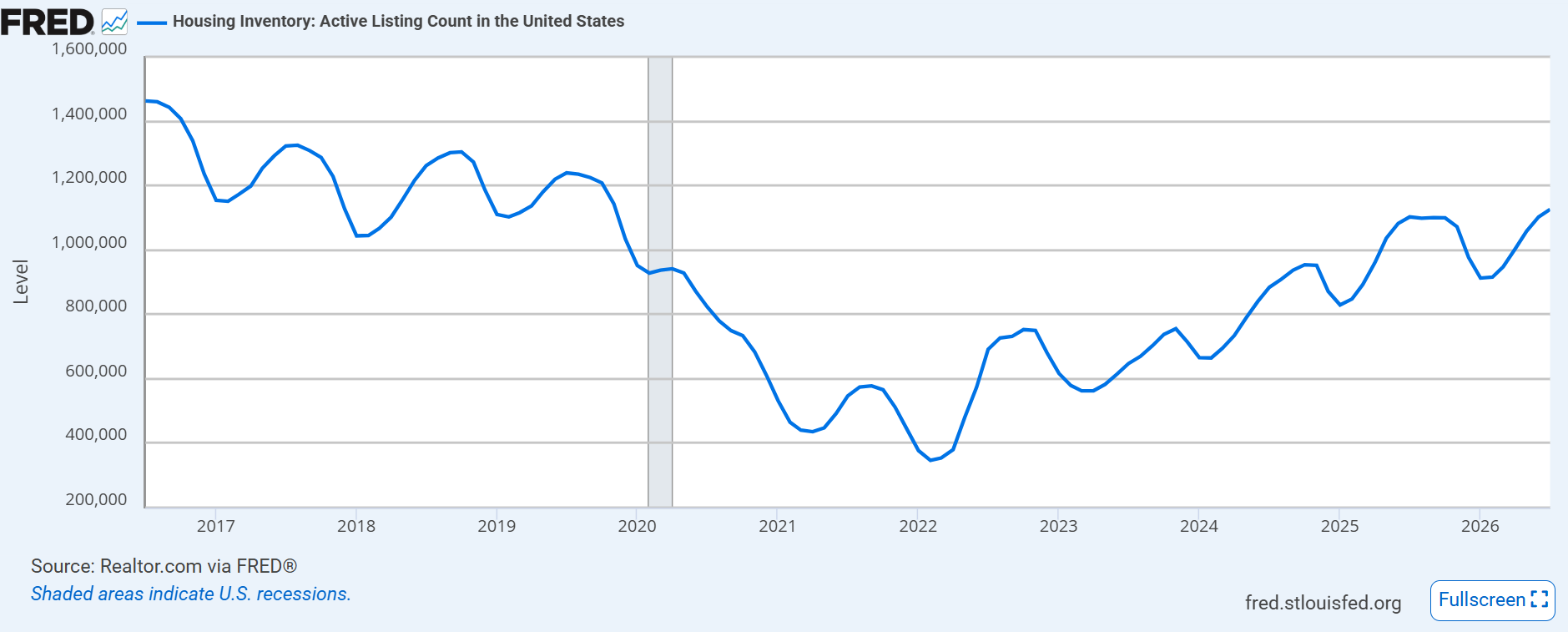
James:Because you want to look at what’s available inventory. Your property manager can also tell you how many units are for rent in a specific area. For me, if I see a lot of units coming online and their absorption rates takes a lot longer. If I’m seeing rents take 30 to 60 days rather than two weeks to lease up, that’s trending that the rental market’s going to take a lot longer, but that’s also going to tell me because it’s bad, they’re not going to rush in to go buy stuff like they were doing before where they would just buy it and it automatically goes up. And so the strategy has to come into play. And so what your broker can always pull you is active inventory. What is sitting on market? That’s the first thing I want to know. What is not selling? Not selling in Seattle right nws with no yards and no parking or anything with lack of amenities.And so that tells me to avoid that asset class or no one else wants it because everyone’s sitting on it. When there’s a lot of stuff for sale, no one wants it anymore. That’s where I go, okay, well, I’m going to call my deal finders saying, “Hey, if you come across this lot, let me know about it. ” And they’ll be like, “Oh, no one wants that anymore.” So they get excited. And so I’m always looking for that active report is what’s sitting on market and then what does have the shortest conversion rate for closing or for days on market? Because if your average days on market in King County, for example, is 30 to 40 days, but in a zip code in a neighborhood in a certain price point, they’re selling in seven, that tells me I can go to that asset class because that’s where the demand is.And so it’s a supply and demand thing. And once you start with the supply and demand, what do people want inside of asset class that has some stink on it, flipping short-term rental, that’s where you hit that magical spot.
Dave:But there’s a tactical thing you need to do there where you need to develop a plan. There’s a reason people don’t want short-term rentals right now because if you’re just going to do a generic short-term rental, you’re not going to make money. If you have a great plan, you can make money. I’m sure it’s the same thing with flipping. There’s a reason people aren’t buying these lots. It’s maybe because the playbook they had been running for the last year or two is no longer working with that lot. So when you move to something that other people seem to be afraid of for whatever reason, how do you A, decide what you’re willing to pay for it? Because that seems like a big important part. But B, how do you come up with a unique plan to execute on these areas where other people are not being successful?
James:Yeah. And I think that’s a really important point. You get deal goggles. So because everyone looks at it a certain way, me and you walked to property recently and I didn’t even throw out a big flip on this. I go, “This is a cool development flip deal just because of the size of lot and location.” But because development’s down, no one really wanted it. That was the only way to look at it. Last night in the last two days I kind of uncovered this, I thought that was 100% the plan, like doing a little flip and a little development, make the most money. A full renovation actually makes an absurd amount of return on this house. They were just looking at it the wrong way because a mistake that people make is highest and best use doesn’t mean what you can sell it for the most.Just because you’re getting the highest sales price does not mean that’s the most profitable. And so I think what we’re good at doing is once we see something that we know we can buy for cheaper than we could even 12, 18 months ago, we’re not looking at it the same way. It’s not a development site because that’s not highest and best use. It’s I got an old house that’s big with a great feature. How do I maximize that? Well, I’m just going to renovate it, dig down the basement, put together a yard, and it makes a lot more than building five homes on it, which people can’t wrap their brain around a lot of times. No, if you can build five homes, you got to build that, but it’s actually not highest and best use for the property. And so you need to look at multiple exit strategies for each one of those lots and not look at it the same way because just because the asset class isn’t doing well doesn’t mean you can’t put that plan on a specific type of property.
Dave:All right, everyone, we got to take one more quick break, but we’ll be back with James Dainard right after this. Welcome back to On the Market. Let’s jump back in with James Dainard. Maybe you can recommend some things people can think through like, do you want to flip it? Do you want to bur it? Do you want to sell it off? How do you do those analyses if you’re just like a regular investor and what are the metrics they should be looking at to figure out which approach to use?
James:That is always one of the toughest questions because it’s like, okay, well, it comes down to your core surrounding team. I think sometimes people look and they’re like, “Oh, James, you’ve done all these deals.” And so you just know it. It’s like, well, no, I don’t know it. I know who the right people to call when I have to ask questions too, right? Because again, surrounding yourself with a good core team really matters. So on this deal that me and you walked development site, 6,600 square feet, that dirt was worth two to 300 grand higher than what we can buy it for right now.
Dave:Insane, by the way, that’s amazing.
James:It really is. And then I went kind of deep into the data on it too. I’m like, “Oh, this might be a better deal than I even think because there’s just a lack of comps.” But the first thing I did was call a development broker that really knows the product and say, “Hey, what’s this worth? This is what I’m seeing.” And he went through the whole gambit and he’s like, “You know what? We’re only worth about 500 grand in today’s market.” And it blew my mind.
Dave:Interesting.
James:But he knows that product better than me. So I didn’t go down the rabbit hole of this. I just made the phone call to that broker going, “Hey, what’s the story on this? I got it for this. I can do this. ” And he walked me through the deal and he’s like, “That’s kind of where you got to be at.” And so then that goes, “Well, that’s a no option.” And I go to the next thing because it’s like, well, 500 grand, this lot was worth 800 two years ago. So I don’t want to pass on an opportunity that I can buy 20% cheaper to 30% cheaper than I could 12 months ago. That’s always my, hey, if people were paying this historically and I can buy it 20% below that, I have to really stop and look into this deal because it’s not that development’s bad.It’s not that flipping’s bad. It’s not that ADU’s in flipping’s bad for this property. The reason I’m fixated on this deal is because the replacement costs, I couldn’t get this property two years ago and this would be in high demand and nobody wants it now. So as soon as I hear no one wants it, my spider senses go off and I’m like, wait, why? That doesn’t make any sense. But the average investor, it’s about calling that person and go, “Hey, what do you think? Does this work this way?” No. Well, my dirt broker is going to be different than my flip broker. My flip broker, I say, “Hey, run me comps on this property for this square footage, this square footage,” and they’re going to be able to supply me that information. And then I can go, “Okay, well, I know what it’s worth, and then I got to go out there with my contractor and go, if I do this, how much will that cost?If I do this, how much will that cost?” But I’m still going to put the time into this deal because it’s below that cost that I could get two years now. And that’s what investors make the mistake on. They go right to the next thing where you got to slow yourself down. If you’re buying below replacement cost, if you’re buying below what you could buy that deal for a year or two ago, there is an opportunity there because we already know what the runway is on that potential asset and whether it’s on the low or the high, you want to buy it on the low and sell high. So that’s okay. Get it on the low. In 2008, real estate went way down, but what happened? It went way back up, way past where it was. And so you want to get it when it’s low and so go where no one else wants to play.
Dave:Well, let’s talk about that because there are a lot of examples though of the opposite. So I just want to call that out for people. Sometimes there’s a reason no one wants a property and it’s a good reason. Maybe there’s a legal issue, there’s a permitting issue, whatever it is, there are good reasons sometimes. Other times there’s just inefficiency in the market. I think that’s kind of what you’re talking about, James. Sometimes people just aren’t buying things because they’re scared, they’re nervous, their playbook no longer works and they’re one dimensional, but let’s go through this deal. I’ll try and describe it, but correct me if I’m wrong. It’s sort of like a large lot, good neighborhood, good street.
James:Yes.
Dave:It’s a two, one house, looks really beat up on the outside, but it’s fine. It’s like for you, for an average flipper, it’s actually kind of fine on the inside. And then the back in Seattle, you could develop multiple properties. So I thought it was really just kind of fascinating listening to you think about this the other day because you can buy this. Do you mind sharing what you can buy it for?
James:So the property right now is a two bed, one bath, 1,100 square feet up and then there’s about another 800 square feet in the basement and part of it’s low, but it is finishable. We want to spend some extra money and it’s on a 6,600 square foot lot in Seattle, which allows you to, you can demo that property. I mean, me and Dave looked at a site two down and they had five homes on that property. The lot next door had built two big singles on them. So it’s a very versatile lot. And the reason it’s so attractive because development, you always want to look at, it’s not just zoning and location, it’s what’s your accessibility. It’s a wide lot which allows you to build better and it’s a street to street. So no home is in the backyard, which is always going to get you a higher price.And so this lot is what every builder wants a wide lot street to street, you can put density on it and everyone told me it was a bad deal. They said, “You’re paying a hundred grand too much.” Now typically if someone tells me, “Hey, that’s a bad deal and they’re professionals, I got to walk away.” I’m like, “All right, they know that product.” If I was just looking to build on that property, I would’ve followed their direction.
Dave:Yeah, right. But so you went to that one developer broker, right? They said, “Hey, this is what’s worth this going to do. ” You’re like, “Okay, check that off the list, not going to work.” But then you move on to other potential uses for the lot, right?
James:Yes. And the reason I’m hanging onto it is because again, it’s about 20% cheaper that I could buy it for a year ago. And so that’s why I want to look at it. Everyone that’s talking about bad syndicators and bad apartment deals. If you can buy that deal today, 20% cheaper, maybe it’s not a bad deal. It’s a good deal, right?
Dave:Exactly.
James:And so I’m going, okay, well, it’s 600 grand, even though the broker’s telling me it’s 100 grand too much, that’s still 200 grand less than people were paying two years ago. And so my next step is I have to go see what’s going on with the site. And then I got in a car, I called Dave. I’m like, “Hey, I’m going to look at this thing. I don’t know what it is. ” And we went out there and then you could see me get excited.
Dave:Oh, his eyes lit up. Well,
James:Because as soon as I got there, I was like, “Okay, the street’s great. There’s lots of potential.” I still didn’t understand the development side, but they’re not wrong because if you do build on that site and you build five units, you’re going to maybe make a hundred grand over two years and that’s not worth the risk. But the reason I got excited is because I started seeing the potential of the structure. So they told me it was a bad deal for one option, cross it off the list. The next option is, well, can I do a cleanup and sell it because I’m buying it cheap or can I maybe do a flip and put a datu in the back? I have to go walk it at that point. And so when I did the flip and the daddy numbers, they weren’t that great to be honest.I was like, “Nah, they’re okay for the amount of work it is. ” So I kind of crossed that one off the list. Once we walked through that property and I saw the square footage in the lot and the detached garage that didn’t even show up on the tax record and the size of lot and the street it was on, I go, “Okay, here’s some potential here.” So then I reach out to the flip broker, who happens to be me on this case, and I start going through all the different types of comps. So I’ve walked the property, I’ve identified, okay, how much work does it need? What’s highest and best use? What does the property have the potential of selling for and what does the potential have if I do a cleanup or a big fixer? And this deal that I had two different asset classes tell me it’s a bad deal.Development and they’re not wrong, if I do it that way, it’s not a good deal. Flipping a dato, not the greatest deal for the amount of work, not good enough, probably wanted in the low fives. If you do this flip as a full rental, it’s a 95% cash on cash return.
Dave:Just the flip?
James:Just the flip. And I thought that was a no … When me and you walked out of this house, I go, the big flips, it’s just not going to be worth the headache.
Dave:Yeah. That was your instinct, right? Yeah,
James:Because I was like, yeah, digging out a basement, it’s just not worth it a lot of times. It’s so much headache. For a 90% return deal, I’ll look at doing that plan.
Dave:Yeah, I think so.
James:And so even though I walked out, I’ve done quite a bit of these deals, the plan that I said was probably the worst turned out to be the best. And so that’s why you can’t follow what everyone’s saying. You have to go look at it and then run your core number In every type of asset class you’re in, you need a specialty broker that can give you that advice, run your performa. If it doesn’t hit, throw it away. But also take the next step with your other performance. Does it work as a rental? Does it work as a flip? Does it work as a development site? Does it work as a short-term rental, a midterm rental? What number works and it doesn’t matter what the asset class is, every one of those ones I just listed are not doing that well, but you can still make money because of there’s opportunities.
Dave:That’s awesome. I love that. That’s so cool. And I think that’s just a perfect example of why even you who’ve done this a million times, you know the process and you followed it and that actually showed you that maybe your instinct was a little off on this and that you had a different playbook and you found an incredibly profitable way to do this because you followed this process of looking through every angle of analyzing every possible playbook to find the right way to use this. And now you’re finding not just a way to make a little bit of money off this, something that developers were missing, but a huge return, like a 90% potential return on this is massive.
James:And one of the reasons I didn’t think it would work originally is because a surface comps, when I looked at SpotCheck before I went to look at it, I was like, “Oh, it’s probably worth 1112.” But then I start breaking down those comps and going, “Oh wait, no, we are on a way better street. We got street to street. We got this garage. We have this yard.” And I start shrinking those comps down to what we actually have and there’s only really two sales and they’re far away. They’re not in our good part of the neighborhood because it turns out no one sells their property here. It’s like the amount of sales over five years is like three. And so I went back three years in sales and I’m like, “Oh wow, these numbers are a lot bigger than I thought.”
Dave:That’s amazing.
James:So once you see the opportunity, I can buy below replacement costs, I can buy below what I was paying where everyone was paying a year or two ago, you have to just keep digging, but don’t spend your time wasting digging on a deal unless there is that opportunity. I don’t want to go … If it’s 800 grand and people are paying 800 grand two years ago and no one wants it anymore, I don’t need to spend all these hours doing that. It’s just that I can buy 20% below today.
Dave:Like you knew there was something here. You could look at this and say, in your words, there’s some juice on this lot and then you just have to figure out the right way to get the juice out of it. And that’s worth investing the time and talking and calling all these different brokers and doing all the stuff you got to do and doing the analysis. But that’s an acquired skill, right? You were able to identify the lot and then you took the time to do it. But this is something anyone can do. And it’s not just with development or flipping or anything as well. If you look at a rental property, you might be able to add a unit. You might be able to renovate a property to drive up rents. You might want to combine two units to make it into one better unit that gets a lot of rent.Those are the kinds of things you can identify. If you start looking at data and talking to people about what is missing from the market, what are other people missing? I agree with you, dude. It doesn’t matter what the market conditions are, that works in any kind of market.
James:Yeah, it’s that walk-in equity. And today it’s worth 600 grand to a developer or 500 grand to developer because that’s what they’ll pay. But seeing that they would pay 25%, it just tells me that’s the runway because anything you invest in, Bitcoin stocks, they go like this, right? They come down. And so when no one wants it, you’re on the down. And that deal does make me laugh though because the deal, I was like, there’s no way that’s the way it pencils. That’s the way it … When I went out there with you, I was like, “This is just such a good deal. I might buy this as a rental.” Remember, I was like, “I might just buy this a rental and keep it.
Dave:” And do a Burr or something.
James:Because it was a good jump. And I’m like, “Oh, no, this actually makes great money as a flip.” And not only that, we’re selling product that sells in today’s market, nice family homes, big lots, garages, that’s what’s in high demand. There’s no negative about this property that sells. And so don’t beat a bad deal to death, but if you can buy it below replacement costs for what people were paying a year or two ago, go through all the motions. Where does it pencil out?
Dave:And that’s a good thing about this market. You can buy things below what they were trading for, below replacement costs.That is absolutely available. It’s not everything on the MLS, but this isn’t just wishful thinking like, “Oh, go out and buy something cheap.” You actually can. That’s the benefit of being in a buyer’s market. You can negotiate. There are things sitting on the market. There are opportunities for people who are willing to do this extra legwork.
James:The difference between a seasonal investor and a full-time investor is you have to create your business around the opportunities that you’re buying in. If datas are making a lot of money, I had two data builders on my bench that I could put on those sites. I had to go get those builders, find them, talk to them, interview them. If you’re seeing big heavy fixers, I got to make sure I got a certain type of contractor that can run that job site. My guys that do my cosmetic flips cannot do that kind of site. And so once you see the opportunity, you have to go build the business behind it and the business is, how do I finance that deal? Who can help me analyze those? Who can help me facilitate that project, whether it’s an operator you’re partnering with or a contractor, how do I get it closed and then how do we sell it to get highest and best use?You got to get the infrastructure and most of it is the facilitation process. How do I get it fixed? And there is always an answer because even if that deal can turn out to be about a 95 to 100% return on your investment, cash on cash, it’s a lot of work. If that’s 50%, it’s pretty good deal still. You could pay a contractor 30% more than I’ll pay them and it still hits. And so just get rid of your limiting beliefs on that because everything is for hire. You just got to make the phone calls and find the people.
Dave:Yeah. I think the theme of what you’ve been saying about everything today is about networking. We talked about data. That stuff is important, but
James:It
Dave:Seems like the differentiation is not just having the right contractor, but having that broker to call to tell you not to buy it as a development, having a flip broker to call, having a property manager to call to talk about how to rent something out properly. That is the difference between finding good deals and not in this market, I think. I mean, even if through buying NLS deals, having those people to talk to about highest and best use and how to utilize it, it’s something you can really only get by knowing your market or knowing people who know the market really well.That’s how you get it done.
James:Yeah. And use your time wisely. You don’t need to go meet everybody. Networking doesn’t mean how many investors do you know?
Dave:It’s so true.
James:It’s who do you know that’s in your backyard or the asset class that you’re buying in? I love networking events. I like meeting cool people hearing their stories, but I’m going to prioritize the people in Seattle and in Phoenix because that’s where I want to be. If I have to choose an hour to go spend with somebody or an event, it’s going to be in my backyard because that’s going to get me the people that are actually working in that class. Someone’s buying multifamily in Missouri, nothing wrong with that. They could be awesome. They could have a greatest story. They could have the best strategy. I’m not buying that, so I don’t care. Not that you don’t want to learn from people, but focus your time and energy in the spots that you need.
Dave:Well, James, this was so fun. Thanks, man. I really appreciate it. I think this is great lessons for everyone. James obviously has a big business in one area of the country. Your business, your area of the country are going to be different, but it’s the mindset that I hope everyone takes away from this, which is just thinking a little bit differently. When everyone’s saying don’t do something, there’s usually opportunities there. Not everything, you have to be careful and if you have a good network, you will be able to spot those opportunities that everyone else is overlooking. That’s what we talk about. We talk about this upside era of real estate that we’re in. This is how you find the upside by going a level deeper and doing research that no one else is willing to do. That’s how you become a great investor. That’s how you really succeed in this market.James, one of the best in the business. Thank you so much for sharing your knowledge with us. We appreciate it. And for everyone, I don’t know if I’m allowed to say this, but James’ show, Million Dollars Ombieflip, I’m going to make a very brief appearance on it. I think I’m on it for two minutes, but I think it’s on June 13th on A&E, million dollars omniflip. Check it out.
James:Days flipping his first house.
Dave:Mine was low drama though compared to the other ones you’re doing.
James:Yeah, I still got a rash from one of them, just for the proof.
Dave:All right. Well, that’s our show for today. Thanks so much for watching this episode of On The Market. We’ll see you all next time.
Help us reach new listeners on iTunes by leaving us a rating and review! It takes just 30 seconds and instructions can be found here. Thanks! We really appreciate it!
Interested in learning more about today’s sponsors or becoming a BiggerPockets partner yourself? Email [email protected].