A new Gallup poll shows that 55% of Americans now believe their financial situation is getting worse, the highest level recorded since Gallup began tracking the data in 2001. Even during the 2008 financial crisis and the COVID lockdown collapse, Americans were not this pessimistic about their personal finances. That alone tells you the mainstream narrative claiming the economy is “booming” is completely disconnected from reality.
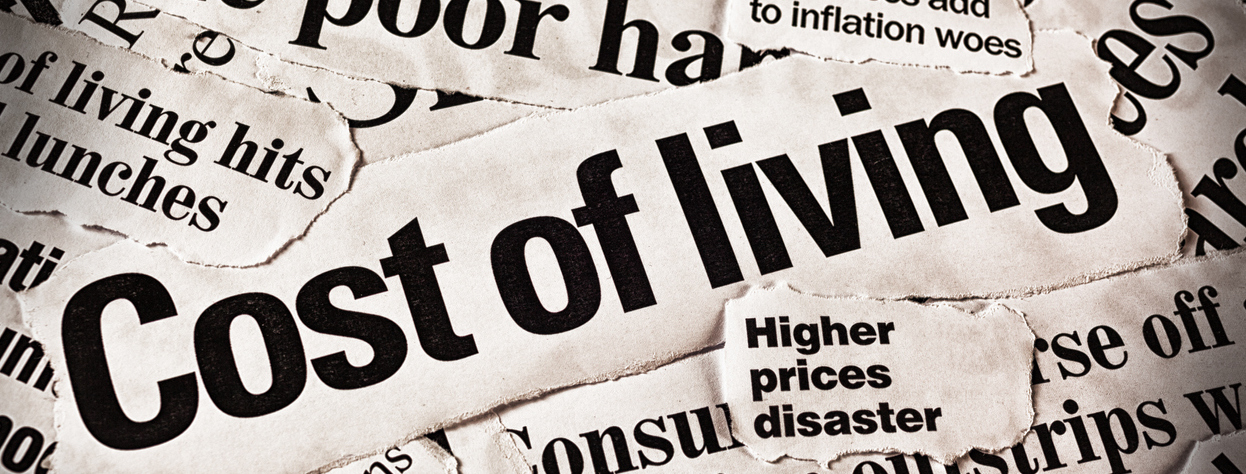
The most important detail is why people feel this way. Roughly 31% of Americans now cite the cost of living as their biggest financial problem, while concerns over energy prices surged 10 percentage points in a single year to the highest level since 2008. Americans are not reacting to one isolated issue. They are being hit simultaneously by rising food costs, insurance premiums, housing expenses, property taxes, debt payments, utility bills, and fuel prices.
This is precisely what happens during the later stages of a debt cycle. Governments and central banks spent years artificially suppressing interest rates while flooding the system with liquidity. Asset prices exploded higher, but the real economy underneath weakened steadily. Once inflation returned and rates normalized upward, the pressure shifted directly onto households.
The media continues pointing to stock indexes and headline employment numbers while ignoring collapsing consumer confidence underneath the surface. Ordinary people do not measure the economy through the S&P 500. They measure it through grocery bills, rent, gas prices, insurance costs, and monthly debt payments.
The poll also found that 62% of Americans are now worried about not having enough money for retirement, while concerns about paying normal monthly bills and maintaining living standards remain near record highs. Credit card anxiety has risen sharply as well, reflecting how dependent many households became on debt simply to maintain basic consumption.
The ECM has projected rising volatility into this decade because sovereign debt crises eventually infect household confidence and consumer behavior. Governments can manipulate statistics temporarily, but they cannot force consumers to feel financially secure when purchasing power keeps deteriorating.