From national crackdowns to a Brussels levy
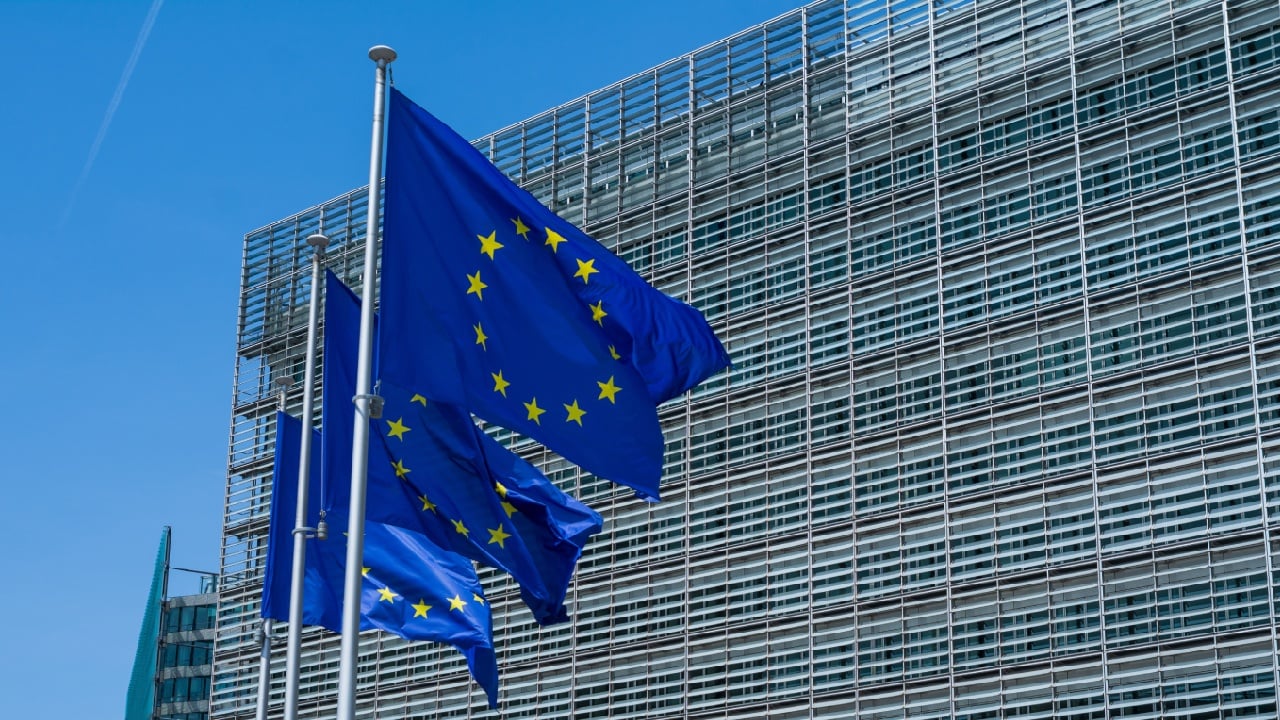
The European Union is moving closer to its first bloc-wide tax on online gambling, with a proposed 1% levy gaining momentum in negotiations over the EU’s 2028-2034 budget. EU Budget Commissioner Piotr Serafin has confirmed the European Commission is preparing a formal assessment of the option, signaling that an idea floated four months ago is now being taken seriously in Brussels.
The levy was proposed in February by Romanian MEP Victor Negrescu, a vice president of the European Parliament, as a new “own resource” for the EU budget. Pitched at 1% of gambling gross revenue, it would apply across all 27 member states and, by the Socialists and Democrats group’s estimate, raise roughly $2.3 billion to $4.6 billion a year (€2-4 billion) – up to $16 billion to $32 billion (€14-28 billion) over the seven-year budget cycle. The proceeds would be earmarked for education, youth, mental health, and addiction prevention, and the tax would complement, not replace, the national levies operators already pay.
Negrescu has leaned heavily on the scale of Europe’s black market to make the case, citing industry estimates that illegal operators account for around 71% of the continent’s online gambling – roughly $92 billion (€80.6 billion) in 2024 against about $38 billion (€33.6 billion) for licensed sites.
The proposal lands as European regulators tighten the screws country by country. The Netherlands has moved to ban gambling ads and recently dragged its biggest illegal operator to court, while Finland just secured a rare criminal conviction of a streamer for promoting offshore casinos. A bloc-level tax would mark the first time the EU has asserted gambling oversight at the union level rather than leaving it to member states.
Not everyone is on board. Malta – where gambling accounts for roughly a tenth of GDP – has pushed back hard, with Prime Minister Robert Abela insisting fiscal sovereignty stay with member states, and the European Gaming and Betting Association has criticized the plan for months.
Nothing is settled: the proposal is gaining traction, not law, with an agreement targeted for late 2026 and any funds years away. SBC News reported that a future levy could also push the EU to clarify its stance on prediction markets, though that has not appeared in any official text. For now, the significance is the direction of travel – Europe’s gambling crackdown is going supranational.