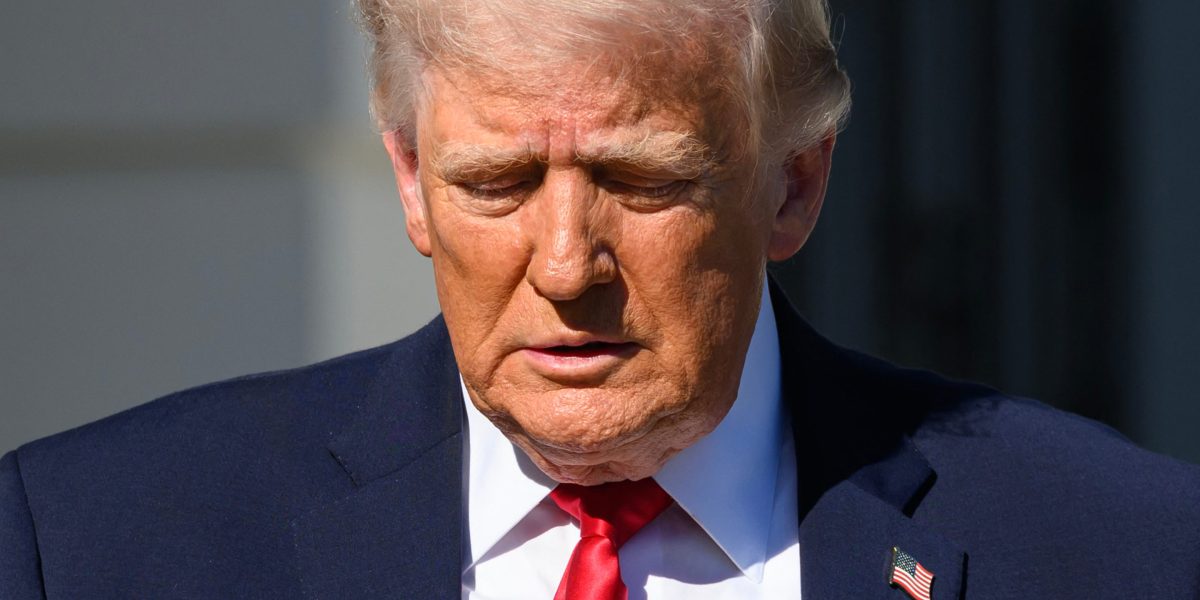
The U.S. top court, which has a conservative majority, ruled 6-3 against Trump’s global tariffs, enacted last year under a federal law meant for national emergencies. Trump called the ruling a “disgrace” and said he would impose a 10% global tariff for 150 days under Section 122 of the Trade Act of 1974 to replace emergency duties that the Supreme Court struck down.
Investors were relieved that Trump’s newly announced global tariff was not higher, said Mike Dickson, head of research and quantitative strategies at Horizon Investments in Charlotte, North Carolina.
“Today is a removal of some uncertainty, and we’re on to the next phase,” Dickson said. Some of Wall Street’s most valuable and widely held companies rose, including a 3.7% rise in Google-parent Alphabet, a 2.6% increase in Amazon and a 1.5% rally in Apple .
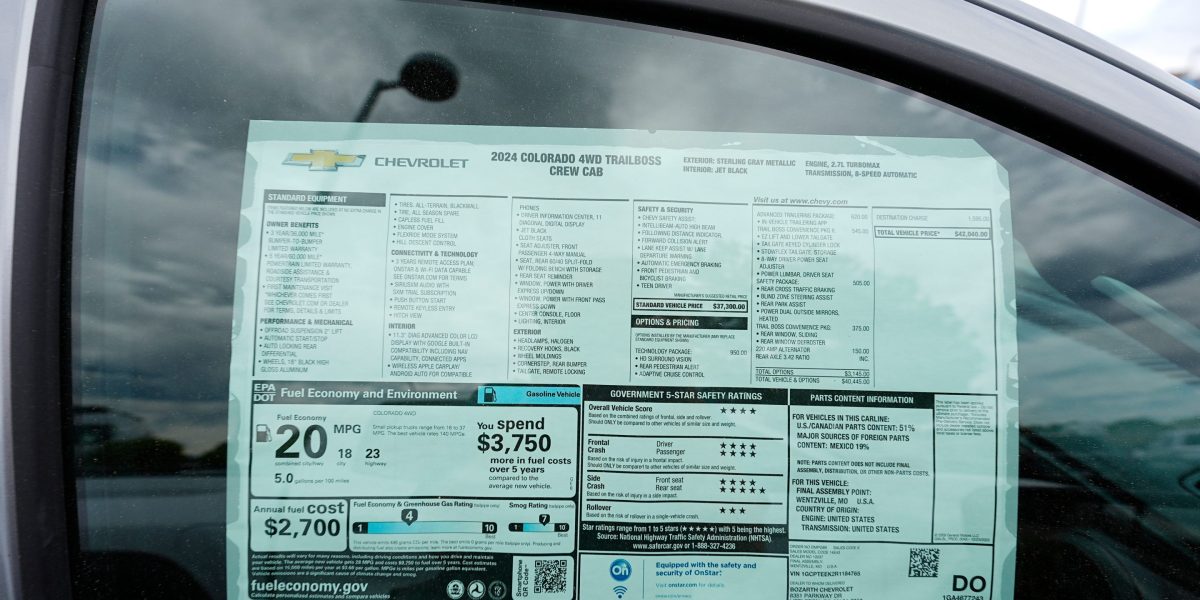
Shares of U.S. toymaker Hasbro, online furniture retailer Wayfair, Pottery Barn-owner Williams-Sonoma and luxury furniture retailer RH – all hit by tariffs – gained between 0.5% and 2.3%. Thousands of companies around the world have filed lawsuits challenging Trump’s sweeping tariffs and sought refunds on the duties they have paid. There is a risk more than $175 billion in U.S. tariff collections will need to be refunded, according to Penn-Wharton Budget Model economists.
The S&P 500 climbed 0.69% to end the session at 6,909.51 points. The Nasdaq gained 0.90% to 22,886.07 points, while the Dow Jones Industrial Average rose 0.47% to 49,625.97 points. Nine of the 11 S&P 500 sector indexes rose, led by communication services, up 2.65%, followed by a 1.27% gain in consumer discretionary.
For the week, the S&P 500 rose 1.08%, the Nasdaq gained 1.51% and the Dow edged up 0.25%.
The S&P 500 is up almost 1% in 2026, trailing a gain of over 3% in MSCI’s global stock gauge.
Data released early in the day showed U.S. economic growth slowed more than expected in the fourth quarter, while a separate reading indicated inflation picked up in December. Traders see just over a 50% chance the Fed will cut interest rates by its June policy meeting, according to CME’s FedWatch Tool. Investors jittery about the health of Wall Street’s AI rally will scrutinize Nvidia’s quarterly results next Wednesday. AI-linked technology stocks have gyrated in recent months due to concerns about high valuations and limited evidence that massive investments in AI are driving revenue and profit growth.
Industries ranging from software to logistics have also been hit by concerns that rapidly improving AI tools could disrupt their business models and intensify competition.
Akamai Technologies slumped 14% after the cloud company forecast first-quarter adjusted profit below Wall Street estimates.
Advancing issues outnumbered falling ones within the S&P 500 by a 2.0-to-one ratio.
The S&P 500 posted 34 new highs and 7 new lows; the Nasdaq recorded 81 new highs and 153 new lows.
Volume on U.S. exchanges was relatively light, with 18.3 billion shares traded, compared to an average of 20.3 billion shares over the previous 20 sessions.
(Reporting by Sruthi Shankar and Shashwat Chauhan in Bengaluru, and by Noel Randewich in San Francisco; additional reporting by Sinead Carew in New York; Editing by Pooja Desai and David Gregorio)