Hopes for a peace deal with Iran waned on Sunday, raising the risk that the global energy crisis will drag on and leaving the U.S. to weigh military operations to reopen the Strait of Hormuz.
Futures tied to the Dow Jones industrial average fell 200 points, or 0.40%. S&P 500 futures were down 0.33%, and Nasdaq futures lost 0.28%.
U.S. oil futures rose 2.7% to $97.97 a barrel, while Brent crude climbed 2.7% to $104.01. Gold fell 0.76% to $4,695 per ounce.
The U.S. dollar was up 0.2% against the euro and up 0.14% against the yen. The yield on the 10-year Treasury was steady at 4.36%.
On Sunday, Iran responded to the U.S. ceasefire offer, saying talks must focus on permanently ending the war on all fronts, including in Lebanon.
Sources also told the Wall Street Journal that Iran proposed gradually reopening the strait as the U.S. lifts its naval blockade.
While nuclear issues would be negotiated during a 30-day window, Tehran rejected demands to dismantle its nuclear facilities and suspend uranium enrichment for 20 years, the report said. Iran also requested the release of its frozen funds abroad.
Trump soon blasted Iran’s response as “totally unacceptable” without pointing to any specific proposals. He earlier accused Tehran of “playing games” with the U.S. for nearly 50 years, but added, “They will be laughing no longer!”
Analysts pointed out that Iran’s position has changed little, indicating the leadership believes it has the upper hand and is unwilling to budge.
Unless the Strait of Hormuz opens soon, global oil stockpiles will soon start hitting critically low levels and trigger a spike in prices.
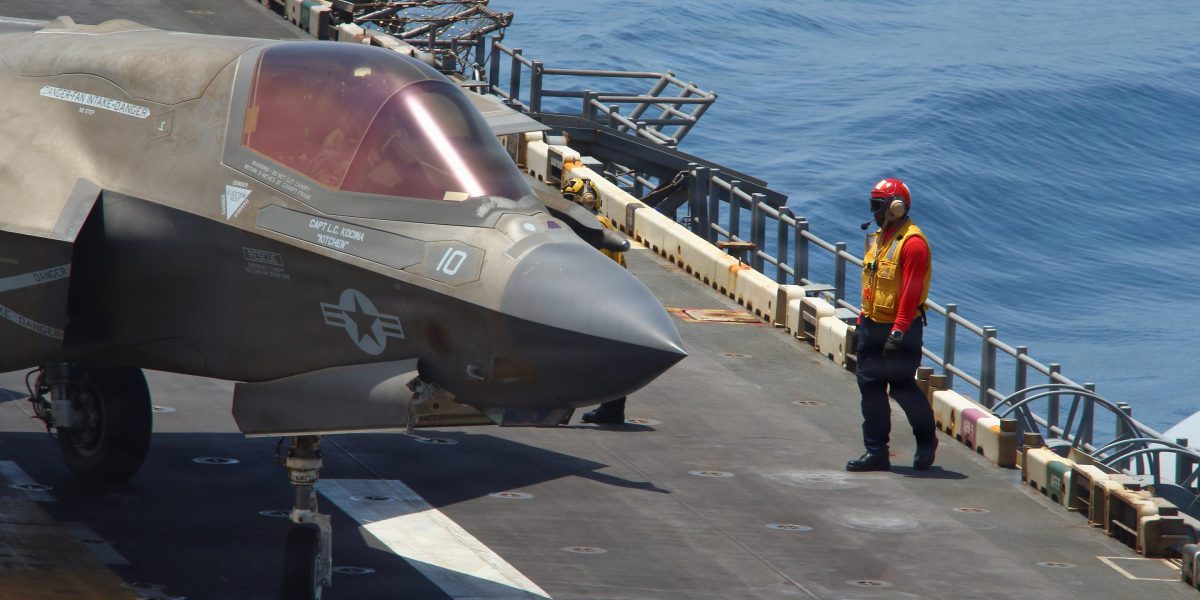
Last week, Trump attempted to break the deadlock by announcing a military effort to guide commercial ships out of the Persian Gulf. A few ships made it through the strait as U.S. destroyers fought off Iranian attacks. But less than two days later, he paused Project Freedom.
Earlier on Sunday, Energy Secretary Chris Wright told CBS News’ Face the Nation that the U.S. “did stop Project Freedom at Iran’s request.”
“If we militarily reopen the strait—which is a challenge, it’s not a one or two-day endeavor, that’s an effort to do that—they said, ‘Wait a minute, wait a minute, let’s make a deal. Let’s make a deal, we’ll agree to reopen it. Let’s engage in the talks about the nuclear program, and let’s make a deal,’” he added.
The pause in Project Freedom was meant to pursue a negotiated settlement with Iran, but “if it’s clear in the next few days that there’s not a good path to a negotiated settlement, we’ll go back to the military method to open the strait,” Wright warned.