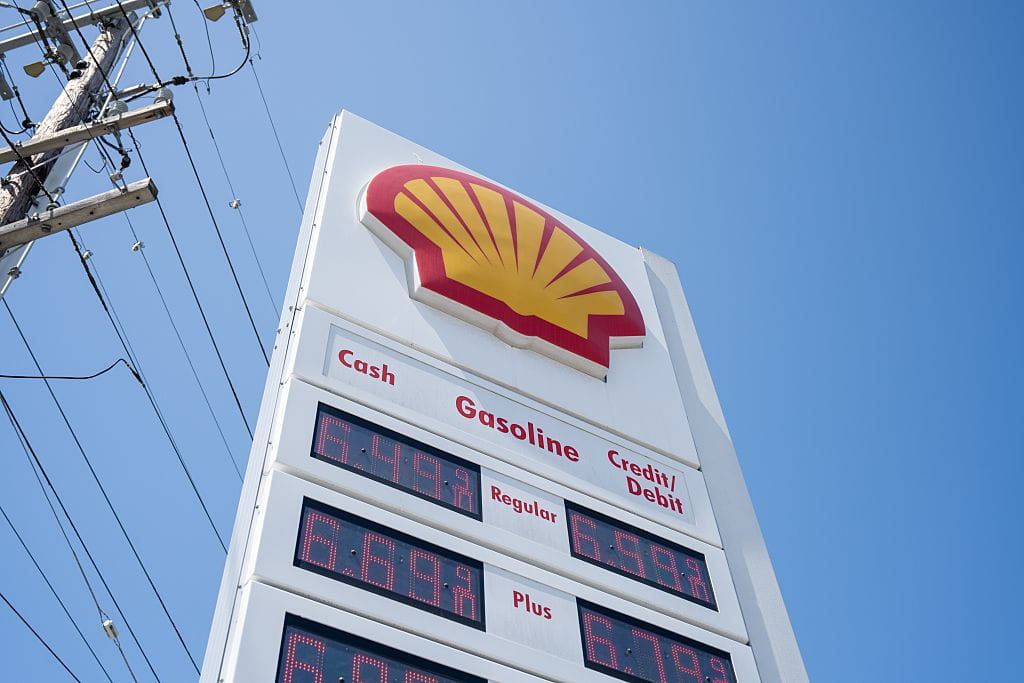
Four years ago, then-President Joe Biden and the Democrats were fretting over the cost of groceries and gas. As the 2022 midterms approached, 40-year-high inflation sent the cost of living through the roof. Prices at the pump soared to an average of more than five dollars a gallon by mid-June. Biden’s approval dropped below 40% for the first time, never to recover, and only the Supreme Court decision overturning Roe v. Wade saved Democrats from a blowout loss in November. With the tables now turned and Republicans controlling both chambers of Congress, could the same issues that haunted the Democrats throughout the Biden era now rear their ugly heads in Trump’s final term? In an iteration of Yogi Berra’s déjà vu all over again, Trump’s average approval has fallen below 40% for the first time as gas prices are spiking and inflation concerns rise — a mirror image of 2022.
Can Republicans Dismiss Economic Concerns?
It’s not like gloom and doom dominate the economic horizon. Inflation is certainly lower than the 9% peak four years ago, but it has reemerged as an issue, albeit not to the extent it was for Biden, but it has risen again to above 3%. While there was much discussion about lower interest rates in the new era of Warshonomics, we are now hearing that an interest rate hike may be in the offing. When those who may not be MAGA advocates voted for Donald Trump on the promise of a sound economy and lower cost of living — not an insubstantial number — experience food and especially gas prices rising instead of falling, their allegiance to the Trump agenda is placed in jeopardy, no matter how weak and out of touch the Democrats may be.
While there are multiple underlying metrics, such as economic growth, that point to a robust economy, voters are primarily concerned with what they experience in their day-to-day lives. For them, the war in Iran has no real-life impact, even if they support it. What they are living with is $4.50 a gallon and no relief from food prices driven primarily by the cumulative inflation stacked up during the Biden administration. Even if President Trump can deliver on his promise that gas prices will plunge once the conflict in Iran is finally settled, most economic models suggest that process will likely take months. And conventional wisdom in politics is that most voters make up their minds as September turns to October, leaving a very small window for gas prices to stabilize sufficiently to satisfy voters.
Midterms are almost universally grievance elections, with members of the out-party motivated to turn out and vote against the perceived misdeeds and excesses of the ruling party. This is especially true when the party in power holds the trifecta: control of the presidency and both chambers of Congress. It makes the GOP, in this case, particularly vulnerable to all manner of attacks from Democrats tossing incendiary barbs from the peanut gallery. Reminding people of the cost of gas and groceries is the surest way to energize the electorate. And this time around, it is the GOP, not the Democrats, who will be the target.
Trump and Congress: Clashing Objectives
While the president and the 468 Republicans running for the House and Senate obviously share the hope of continued control of both chambers, it does not mean they share identical objectives. If Trump were committed to winning the midterms above all else, he would never have undertaken Operation Epic Fury in Iran and risked the very fallout that has ensued. The president will never again have to face re-election and is, like most outgoing presidents, primarily concerned with his legacy. He is clearly so committed to vanquishing the fanatical regime in Iran that he is prosecuting this war at a time, perhaps the last, when he will not meet with serious congressional dissent. Were he to wait until after the midterms, he might well be subject to a Democrat-controlled House and/or Senate out for blood.
But given a choice, it is likely that the overwhelming majority of Republican candidates would have preferred Trump to postpone his invasion of Iran until after Nov. 3. Surely, the president was warned about the potential leverage held by Iran in the Strait of Hormuz, the impact the tyrannical government’s intransigence would have on prices at the pump, and the domestic opposition it was sure to incite. And yet, this president will not be deterred from what he feels is a mission critical to his legacy and the long-term future of the United States. Republicans seeking to hold or win office, most of whom support the operation in Iran, just wish he could have waited until they had already faced the voters.
About the Author
Tim Donner is Senior Political Analyst at LibertyNation.com. A former radio talk show host, Tim previously ran for the U.S. Senate in Virginia. A longtime entrepreneur, conservative policy advocate, and broadcast journalist, Tim founded One Generation Away, LN’s parent organization where he served as president for 14 years.
View All Articles