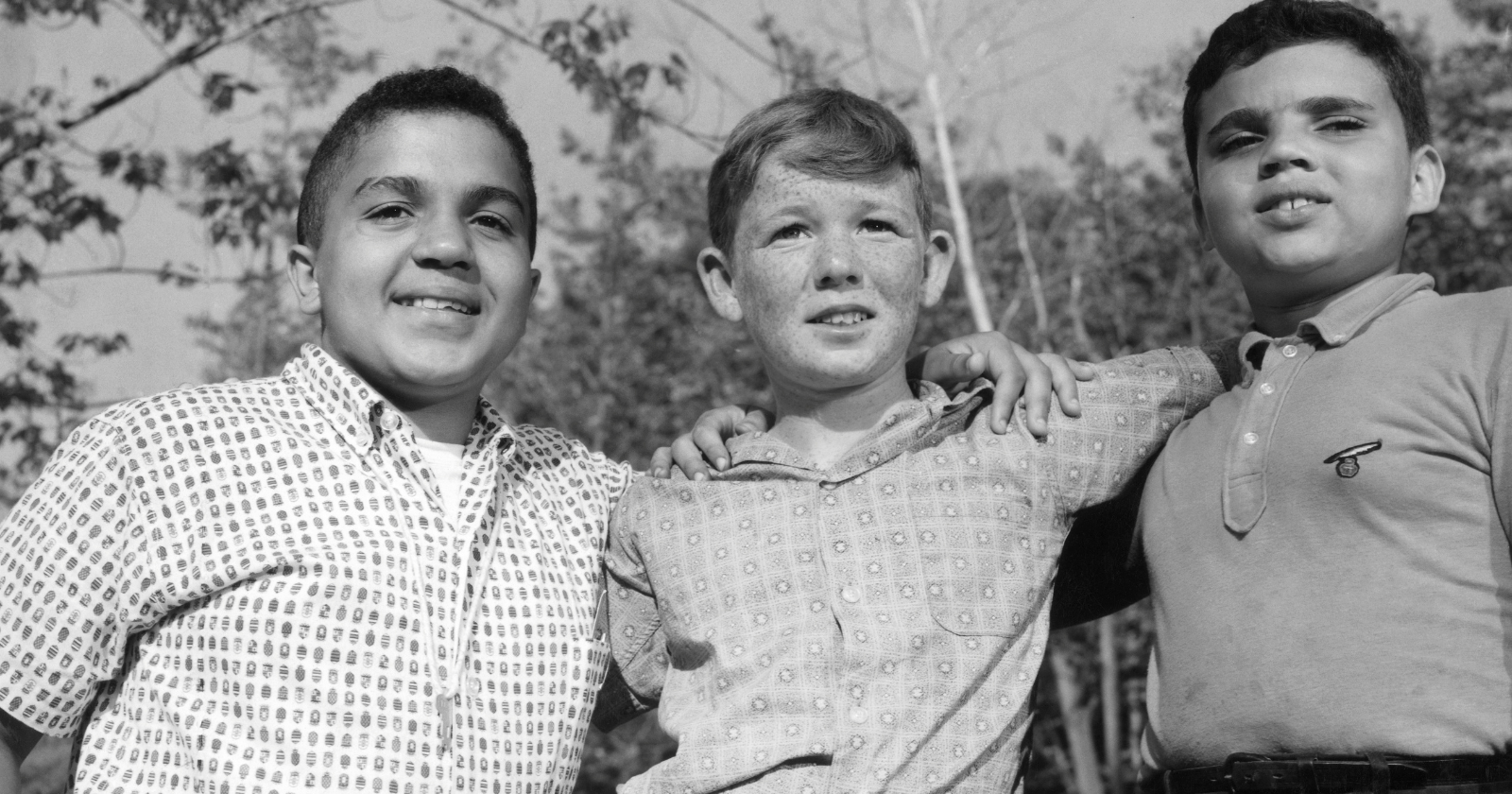
Growing up in the ’60s and ’70s meant nobody was watching you every second. We left the house after breakfast and came back when the streetlights turned on. Today’s kids have GPS trackers and scheduled playdates. We had bikes and a general warning not to do anything stupid.
I’m not saying one way is better. But I know which one taught me how to handle life when it got hard.
We weren’t special. We were just kids who learned early that falling down meant getting back up on your own. Nobody rushed over with band-aids and sympathy. You dusted yourself off and kept going, or you went home crying and got told to toughen up.
That sounds harsh now. Maybe it was. But it also built something in us that I see missing in a lot of younger folks today. Not their fault. Just different times, different rules.
We learned by doing, not by being taught
Nobody sat us down and explained how to handle disappointment. We just got disappointed a lot and figured it out.
Didn’t make the team? Too bad. Deal with it. Teacher was unfair? Life’s unfair. Get used to it. Got in a fight and lost? Learn to duck next time.
My father was a pipefitter. When I was twelve, he brought me to a job site during summer break. First day, he handed me a shovel and pointed at a pile of gravel. “Move it over there,” he said. That was my training.
By the end of the week, my hands were raw, my back was killing me, and I’d learned more about work than any class could teach. Not just the physical stuff. The mental part. Showing up when you don’t want to. Pushing through when everything hurts. Finishing what you start.
These days, there’d be forms to sign, safety meetings, child labor concerns. Back then, it was just a kid learning that work is hard and complaining doesn’t make it easier.
Failure was just part of the deal
We failed all the time. Failed tests, failed at sports, failed at asking girls out. The difference was, nobody treated it like the end of the world.
I remember bombing a math test in eighth grade. Came home, showed my mother. She looked at it, looked at me, said “Better study harder next time,” and went back to making dinner. That was it. No parent-teacher conference. No tutor. No discussion about my feelings.
So I studied harder. Still wasn’t great at math, but I learned something more important: one failure doesn’t define you. You just keep going.
Built a treehouse once with some buddies. Thing collapsed the first time we climbed in it. We all fell about eight feet, one kid sprained his wrist. You know what we did? Built another one. Better this time, because we’d learned what not to do.
Nobody sued anybody. Nobody called it trauma. It was just kids being kids and learning that sometimes things fall apart. When they do, you build them again, but smarter.
Independence wasn’t earned, it was expected
By the time I was ten, I was getting myself to school, making my own lunch, and figuring out my own problems. Not because my parents didn’t care, but because that’s what kids did.
Had a paper route at eleven. Nobody drove me around. I got up at 5 AM, loaded up my bike, and delivered papers in the dark, in the rain, in the snow. Collected payment myself too. Learned real quick which houses to skip if the dog was loose.
If I didn’t feel like doing it, papers didn’t get delivered, I didn’t get paid, and I got fired. Simple as that. No negotiations. No mental health days. No understanding boss making accommodations.
When I turned sixteen, I bought my own car. Piece of junk that barely ran, but I’d saved for it myself. When it broke down, which was often, I figured out how to fix it or found someone who could. YouTube didn’t exist. You learned by trying, failing, and trying again.
Physical challenges taught mental toughness
Everything was more physical back then. No power steering. No automatic anything. Push mowers. Manual labor. If you wanted something done, you did it with your hands and your back.
Helped my father dig out a basement once. Just him, me, and shovels. Took three weeks. Every morning, my whole body screamed when I got out of bed. Every morning, I got up anyway.
You learn something when you push your body past what you thought it could do. You learn the difference between “I can’t” and “I don’t want to.” You learn that your mind usually quits before your body does.
Played football without all the fancy gear they have now. Got my bell rung plenty of times. Coach would ask if you could see straight, and if you said yes, you went back in. Was that smart? Probably not. But it taught us that being uncomfortable wasn’t an emergency.
We walked everywhere. Miles to school, to friends’ houses, to the store. In all weather. Your legs were your transportation, and complaining about it was like complaining about breathing.
Nobody protected us from consequences
You mouthed off to the wrong kid, you got punched. You didn’t do your homework, you failed. You broke something, you paid for it. You made a mess, you cleaned it up.
The world had edges, and we found them by running into them.
Got caught shoplifting candy when I was thirteen. Store owner didn’t call the cops. He called my father. The walk home with my old man was the longest of my life. He didn’t say a word. Didn’t have to. The disappointment was worse than any punishment.
Never stole again. Not because someone explained why stealing was wrong. But because I’d felt the consequences and decided they weren’t worth it.
That’s how we learned right from wrong. Not from lectures or worksheets or therapeutic interventions. From doing wrong and dealing with what came next.
Before I go
I’m not saying we should go back to the old days. Some of that stuff was genuinely dangerous. Some of it was just stupid. And yeah, some kids didn’t make it through okay.
But we lost something when we started protecting kids from every bump and bruise. We lost the chance for them to discover their own strength.
Resilience isn’t built in comfort. It’s built in discomfort. In doing things you don’t want to do. In getting up after you fall. In solving your own problems. In carrying your own weight.
My generation learned that early, not because our parents were wise, but because that’s just how life was. You handled things or you didn’t. Either way, the world kept spinning.
Maybe that’s worth remembering.