I keep a physical notebook for first drafts and interview notes. I know it’s inefficient. I know there are apps that would let me search, sync, tag, and organise everything in ways a paper notebook never could. I’ve tried them. Several times. And every time, I’ve gone back to the notebook.
For years I felt vaguely embarrassed about this, like I was clinging to something outdated because I couldn’t keep up. Then I started looking into the research. And what I found wasn’t just a defence of handwriting. It was a window into a much broader psychological pattern about how certain people make decisions, resist unnecessary change, and end up quietly outperforming the people who are always chasing the newest tool.
What paper actually does to your brain
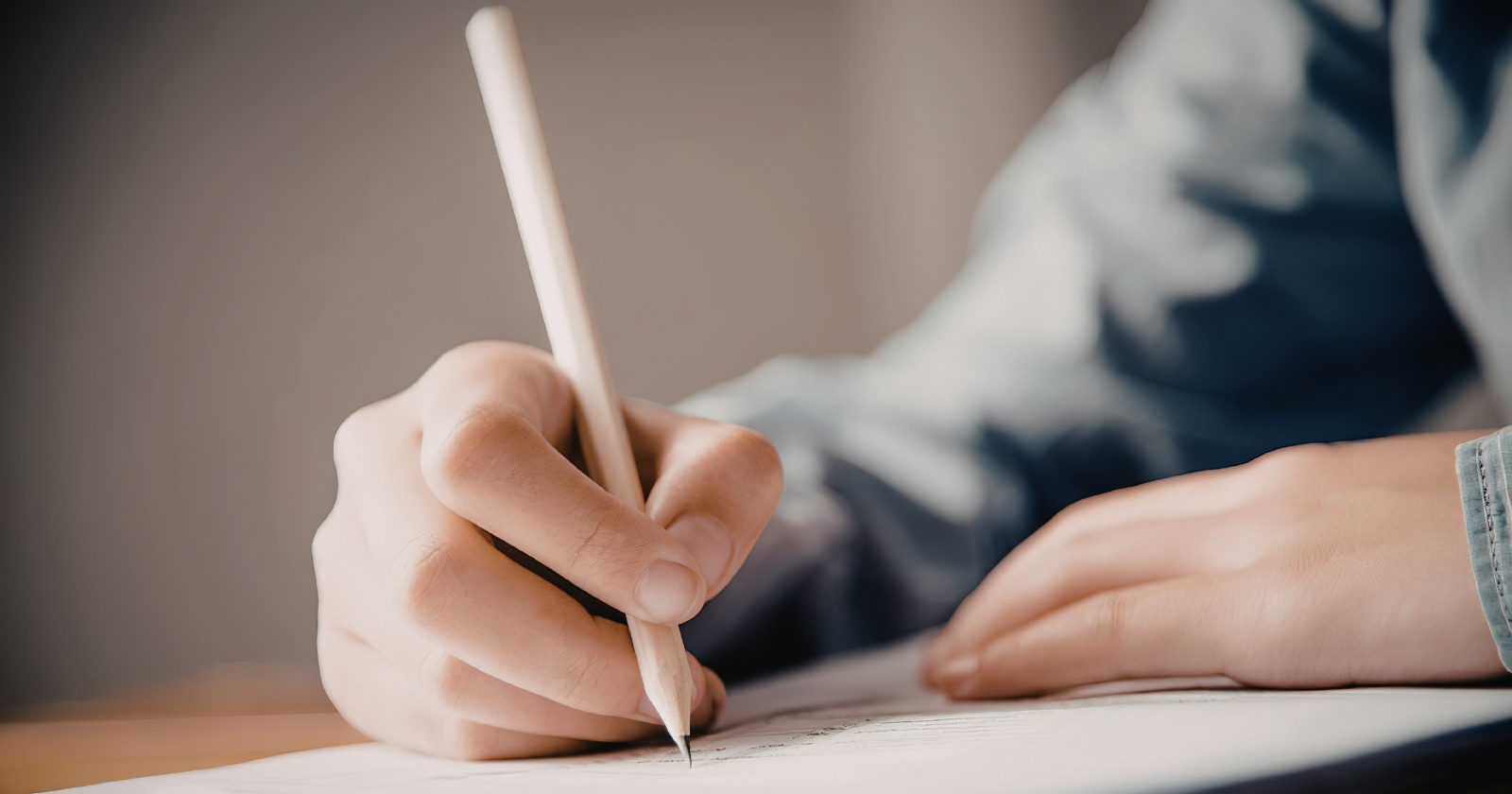
The neuroscience on this is more compelling than I expected. A 2024 study published in Frontiers in Psychology used high-density EEG to monitor brain activity while participants either wrote by hand or typed on a keyboard. The results were striking. Handwriting activated widespread connectivity across brain regions responsible for movement, vision, sensory processing, and memory. Typing produced minimal activity in those same areas.
The researchers explained that handwriting is a more cognitively demanding process than typing. It forces the brain to engage in what’s called deep encoding, where you’re not just recording information but actively processing and reorganising it as you write. When you type, the speed allows for near-verbatim transcription. You can capture everything without ever really engaging with any of it.
Scientific American reported on related findings, noting that handwriting engages a wider network of brain areas including those linked to creativity and critical thinking. The researchers suggested this is because handwriting forces a more flexible and personalised approach to information, since the physical slowness of writing requires you to paraphrase, summarise, and decide what matters in real time.
I think about this every time I sit in an interview with a notebook. I can’t capture everything, so I have to listen harder and choose what to write down. That constraint, the limitation itself, is what makes the process work. The notebook forces me to think while I record, rather than record now and think later. Or, more realistically, record now and never think at all.
The skill nobody talks about
Here’s where it gets interesting beyond the handwriting research. Because the decision to keep using paper when digital alternatives exist isn’t really about paper. It’s about a broader pattern of evaluating tools based on whether they actually work for you, rather than whether they’re new.
Psychologist Barry Schwartz and his colleagues identified two distinct decision-making styles that are relevant here. Maximisers are people who exhaustively search for the best possible option in every decision. Satisficers are people who identify criteria for what “good enough” looks like, find an option that meets those criteria, and stop looking.
The intuition is that maximisers should make better decisions, since they’re doing more research and comparing more options. But the research consistently shows the opposite. Satisficers tend to be happier with their choices, experience less regret, and spend less cognitive energy on decisions that don’t warrant it. Maximisers, despite often achieving objectively better outcomes, report lower satisfaction and more anxiety about whether they chose correctly.
The person who sticks with a paper notebook is, in many cases, practising satisficing in its purest form. They found something that works. It meets their criteria for useful, reliable, and cognitively effective. And they’ve made the deliberate decision not to replace it just because something newer showed up.
That might sound like a small thing. But research published in Frontiers in Psychology found that people’s decision-making styles are remarkably consistent across domains. If you’re a satisficer in one area of life, you tend to be a satisficer in others. The same applies to maximising. In other words, how you make decisions about your notebook is probably how you make decisions about your career, your relationships, and your health.
What this predicts about everything else
This is the connection that fascinated me the most. If the decision to keep using paper is an expression of a satisficing mindset, then the research on satisficing tells us quite a lot about what else that person is likely to do.
They’re likely to experience less decision fatigue. Every new app, tool, or system you evaluate costs cognitive energy. People who are comfortable with “this works, so I’ll keep using it” free up that energy for things that actually matter. I went through a phase of trying every productivity system I could find before finally accepting that the best system is the one you’ll actually use. That acceptance itself was a turning point in how I approached work.
They’re likely to be less susceptible to lifestyle creep. The impulse to upgrade, optimise, and replace is the same impulse whether it’s applied to notebooks, phones, wardrobes, or apartments. People who can resist it in one domain tend to resist it in others. They’ve built a tolerance for the discomfort of knowing something better might exist while choosing not to pursue it.
They’re likely to have more stable relationships. This one surprised me, but it makes sense when you think about it. Maximisers in relationships are constantly evaluating whether their partner is “the best” option, which creates a chronic undercurrent of doubt. Satisficers who’ve decided their partner is good enough, in the best sense of that phrase, tend to invest more deeply and experience greater satisfaction.
I saw a version of this in my own life. I spent years dating people who were “impressive on paper” before realising that credentials aren’t compatibility. The shift happened when I stopped optimising for the best possible partner and started paying attention to whether the person in front of me actually worked. Same logic as the notebook, applied to something much more consequential.
The cultural pressure to replace
We live in an environment that constantly tells us newer is better. That upgrading is progress. That if you’re not adopting the latest tool, you’re falling behind. The entire consumer economy depends on this belief.
But the research on cognitive offloading suggests we might be paying a higher price for that constant upgrading than we realise. Researchers have noted that the growing tendency to delegate cognitive tasks to devices, using a phone to remember things, a GPS to navigate, a camera to record experiences, means the brain is doing less work. And neural pathways that aren’t regularly used tend to weaken over time.
The person who writes things on paper is pushing back against that pattern, whether they know it or not. They’re keeping their brain in the loop rather than outsourcing thinking to a device. And they’re making a quiet statement about the difference between convenience and effectiveness.
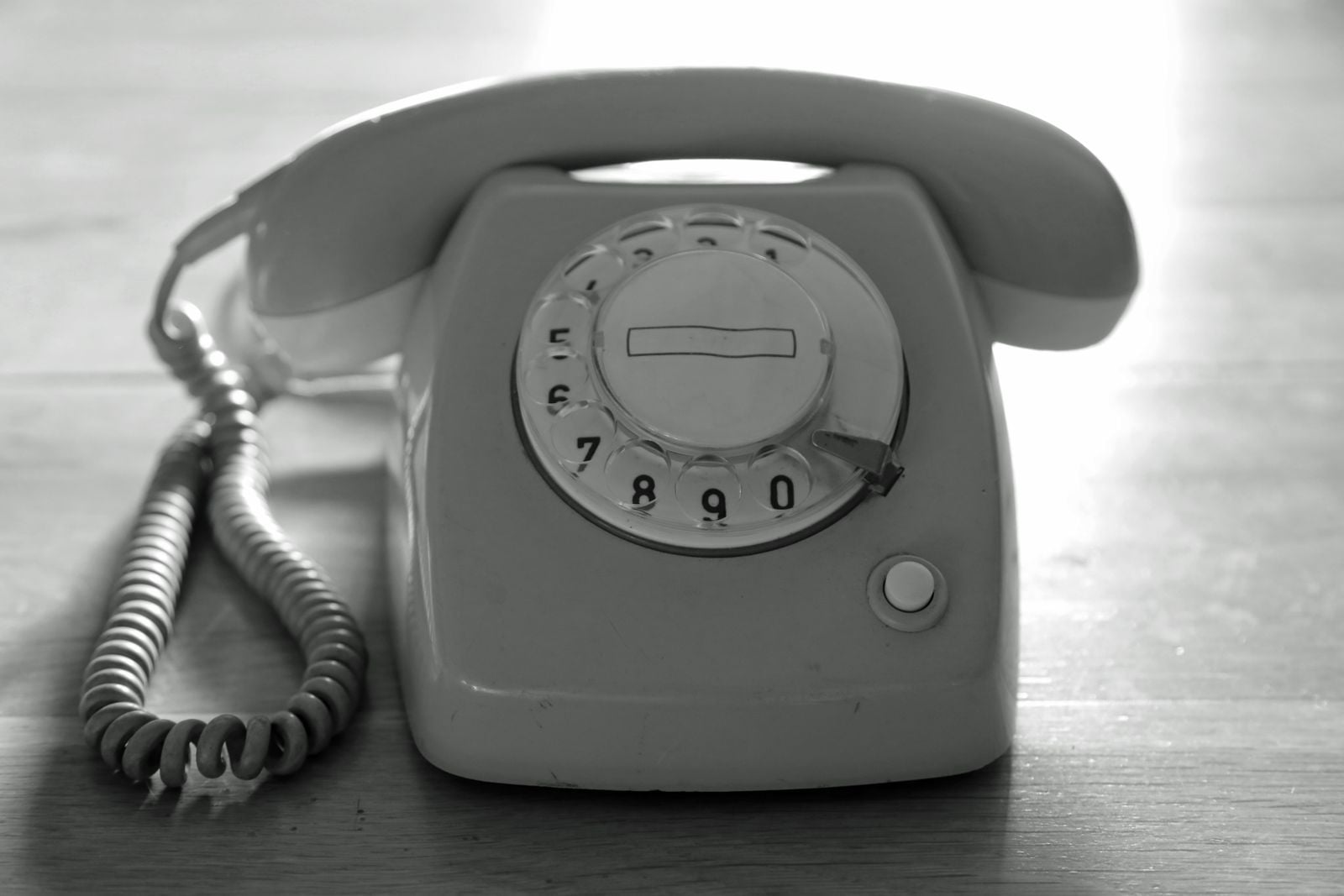
My grandmother kept handwritten letters for decades. My mother still writes grocery lists on scraps of paper by the phone. I keep a notes app full of overheard conversations and half-formed article ideas, but my best thinking still happens with a pen in my hand and nothing to swipe. Three generations, different tools for different things, but the same instinct: use what works, not what’s newest.
What this isn’t
I want to be clear about something. This isn’t an argument against technology. I work on a computer all day. My phone is essential to my job. I’m not romanticising paper as inherently superior to digital tools in every context.
What I am saying is that the choice to keep using something that works, despite the availability of newer alternatives, reveals a decision-making orientation that extends well beyond stationery. It suggests someone who evaluates based on personal effectiveness rather than social pressure. Someone who’s comfortable with “good enough” in the domains that matter and saves their cognitive energy for the decisions that really count.
And in a world that profits from making you feel like you’re always one upgrade away from a better life, that’s a more radical act than it appears.
Final thoughts
The next time someone pulls out a notebook in a meeting full of laptops, pay attention. Not because they’re behind the times, but because they might have figured out something the rest of the room is still chasing: that the best tool isn’t the newest one. It’s the one that already works. And the ability to recognise that, and act on it, turns out to be a surprisingly reliable indicator of how someone navigates the rest of their life.