No Result
View All Result
  • Login
Friday, March 20, 2026
FeeOnlyNews.com
  • Home
  • Business
  • Financial Planning
  • Personal Finance
  • Investing
  • Money
  • Economy
  • Markets
  • Stocks
  • Trading
  • Home
  • Business
  • Financial Planning
  • Personal Finance
  • Investing
  • Money
  • Economy
  • Markets
  • Stocks
  • Trading
No Result
View All Result
FeeOnlyNews.com
No Result
View All Result
Home Startups

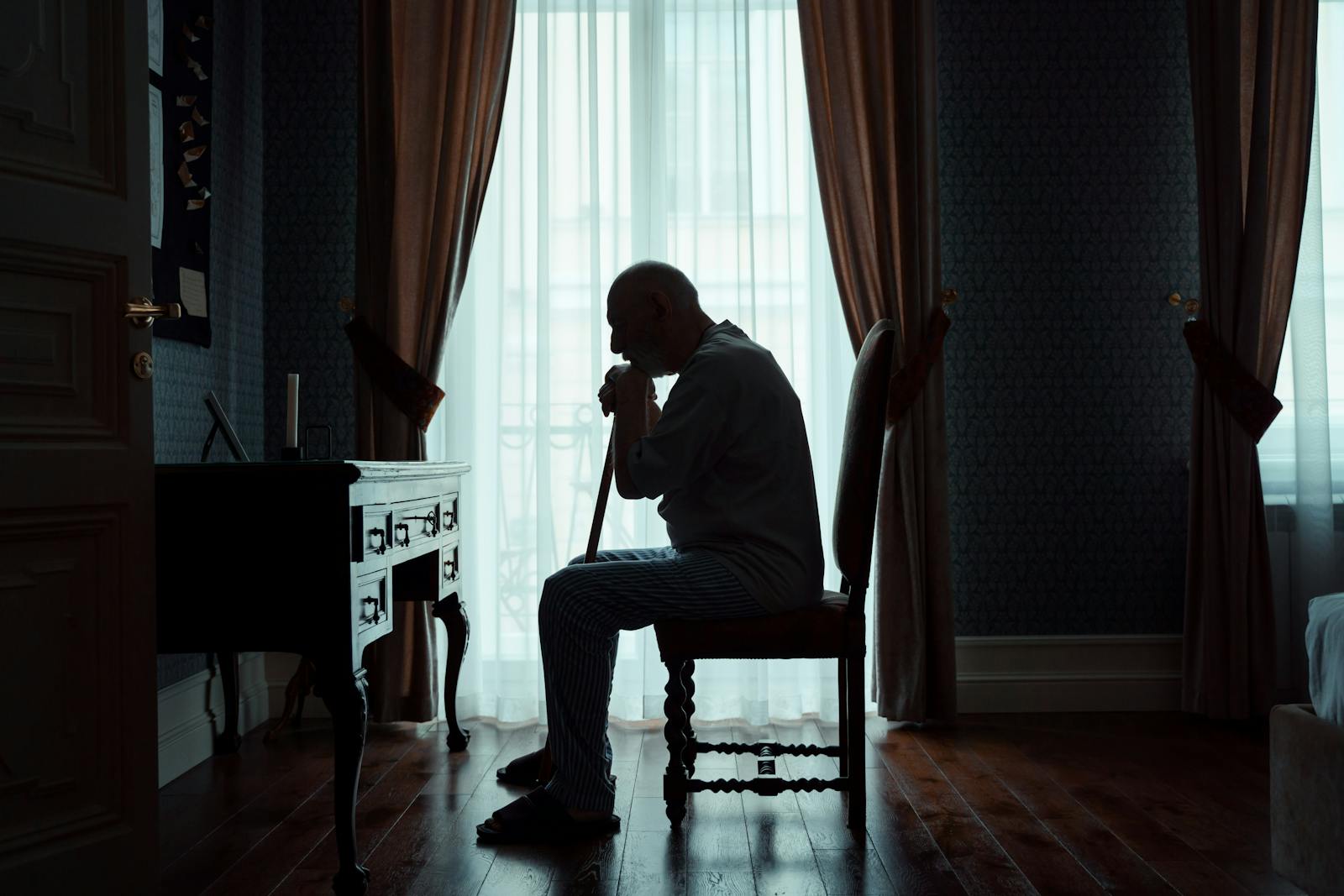
The people who stay kind after being hurt aren’t soft — they’re the most structurally complex people in any room, because they’re holding two truths at the same time: that the world can be brutal and that they refuse to be, and the energy required to hold both of those without collapsing into one is a weight that nobody sees because it looks like ease

by FeeOnlyNews.com
24 minutes ago
in Startups
Reading Time: 6 mins read
A A
0
The people who stay kind after being hurt aren’t soft — they’re the most structurally complex people in any room, because they’re holding two truths at the same time: that the world can be brutal and that they refuse to be, and the energy required to hold both of those without collapsing into one is a weight that nobody sees because it looks like ease
Share on FacebookShare on TwitterShare on LInkedIn


Here’s something that trips most people up: the world can be genuinely brutal, and you can still refuse to become brutal in return.

Not in spite of what’s happened to you. Sometimes because of it.

These two things are not in conflict. But holding them both at the same time, without letting one collapse into the other, is one of the more demanding things a person can quietly do. And because it looks calm from the outside, almost nobody recognises it for what it actually is.

We tend to read continued kindness in people who’ve been hurt as a sign that they haven’t quite grasped the situation. That they’re soft. That they haven’t learned the lesson they were supposed to learn.

I’ve come to think that’s exactly backwards. The people who stay kind after being hurt aren’t less aware of how things work. They’re often the most structurally complex people in the room — carrying a weight that nobody can see because it doesn’t announce itself.

What we get wrong about kindness under pressure

When someone goes through something difficult and comes out of it hardened, we tend to nod along. That makes sense. They learned something. They updated their view.

When someone goes through the same thing and comes out of it still warm, still generous, still willing to assume good faith, we’re often confused. What did they take from it? Did they miss the point?

The assumption underneath this is that the natural response to being hurt is to close off, and that anything else is either naivety or denial. But that assumption doesn’t hold.

I’ve mentioned this before, but understanding how the world works and actually living well in it are two completely different things. You can know, intellectually, that people are capable of being selfish or careless or cruel, and still choose how you want to move through the world in response to that knowledge. The knowing and the choosing are separate acts.

The people who stay kind aren’t pretending the hurt didn’t happen. They’ve processed it. And then they’ve made a decision, sometimes consciously, sometimes not, about what they want to carry forward.

The cognitive work nobody talks about

There’s a concept in psychology worth understanding here. Researchers at the University of North Carolina, Richard Tedeschi and Lawrence Calhoun, spent years studying what happens to people after significant adversity. What they found, and what has since been replicated across a wide range of populations, is that struggle with traumatic events can produce a specific kind of growth — increased compassion, stronger relationships, and a more open orientation toward others.

They called it post-traumatic growth. And one of the more striking findings in this area of research is that this growth doesn’t happen instead of the pain. It happens alongside it.

Separately, a study published in PLOS ONE found that adults who had experienced a traumatic event in childhood showed elevated empathy levels compared to those who hadn’t. The severity of the experience correlated with the depth of that empathy. What looks, from the outside, like warmth is often the direct product of having been on the receiving end of its opposite.

This isn’t automatic. Not everyone who goes through something hard comes out more compassionate. But the research suggests that the ones who do are doing a particular kind of cognitive and emotional work — holding the reality of what happened, and choosing what to build from it.

That work is invisible. That’s kind of the point.

What it actually costs

After my divorce, I spent some time in therapy. One of the things I kept bumping into was how easy it was to intellectualise everything and how hard it was to actually feel it. I could explain the situation clearly. I could see both sides. I could analyse the dynamic with some precision.

What I found harder was sitting with the simpler truth that I’d been hurt, and that the person I’d trusted most had also been hurt, and that neither of those things cancelled the other out.

That’s a specific kind of difficulty. Holding two truths at once, particularly when they’re in tension, takes something from you. There’s a real cognitive and emotional load involved in refusing to flatten the complexity into something easier to carry. The easier thing, almost always, is to pick one. Either it was fine, or it wasn’t. Either people are good, or they’re not. Either you trust, or you don’t.

Kindness that survives experience is the product of someone who keeps refusing to make that simplification. Who keeps saying: yes, this happened, and I still choose this.

That refusal is not passive. It’s not ease. It’s an ongoing act that looks like nothing because it’s so thoroughly internalised.

Why bitterness is the path of least resistance

I’ve lost a few friendships in recent years over things that started as disagreements and eventually became something harder to navigate. And I’ve watched people I know go through betrayals, disappointments, and real unkindness, and come out of the other side in very different places.

The ones who became bitter didn’t become bitter because they were weak. Bitterness is cognitively tidy. It resolves the tension. It gives you a clear position on what happened, a stable account of who was at fault, and a simple rule for how to proceed: protect yourself, trust less, expect less.

It’s a coherent response to being hurt. It’s just not the only one.

The people I’ve found most worth spending time with are the ones who’ve been through things and stayed open. Not naive — they know exactly what happened and often have a clearer view of it than the bitter ones do. But they didn’t let the hurt do their thinking for them. They held onto the complexity and kept choosing their response to it.

That’s harder. It requires more ongoing energy. It doesn’t come with the relief of having arrived at a fixed position.

The weight that looks like ease

My mum worked in retail for most of her working life. Jobs that required her to be patient and decent with people all day, many of whom weren’t patient or decent in return. She wasn’t naive about people. She’d seen enough to know the full range.

What she had was something I’ve been trying to find a proper word for ever since. It wasn’t forgiveness, exactly. It wasn’t optimism. It was more like a decision that had been made so many times it had stopped feeling like a decision. A set position about how she wanted to be, regardless of what was coming at her.

I didn’t understand what that cost until I was older and had my own things to get through.

The people in any room who are still genuinely kind, after everything — they’re not the ones who haven’t been tested. They’re usually the ones who’ve been tested the most. The lightness they carry isn’t the lightness of someone who hasn’t had to think about it. It’s the lightness of someone who thought about it, felt all of it, and arrived here anyway.

That deserves more recognition than it gets.

One of the harder things to hold onto

We tend to read the world through the lens of what experience teaches us. And experience, often enough, teaches us that people will let you down, that systems are indifferent, that trust is a risk that doesn’t always pay off.

All of that can be true. And you can still decide what you want to do with it.

The people who stay kind after being hurt have made a choice that most people either never face or face and take the easier path away from. They’re holding two difficult truths without letting one win. That’s not softness. It’s a kind of structural complexity that most people don’t recognise because it doesn’t make a sound.

Worth noticing. Worth naming. Worth, if anything, a bit more respect than it usually gets.

From the editors

Undercurrent — our weekly newsletter. The sharpest writing from Silicon Canals, curated reads from across the web, and an editorial connecting what others cover in isolation. Every Sunday.

Free. No spam. Unsubscribe anytime.


Source link

Tags: arentbrutalcollapsingcomplexeaseenergyholdHoldinghurtkindpeopleRefuserequiredroomseesSoftStaystructurallytheyreTIMEtruthsweightworld
ShareTweetShare
Previous Post

Urgent Recall: 180,000 Ovens Pulled Over Burn Risk—Check Your Kitchen Now

Related Posts

I’m 66 and I finally understand that my father’s anger when I came home late wasn’t about rules — it was about the 45 minutes he spent at the window imagining every possible version of what might have happened, and by the time I walked through the door his nervous system had processed so many catastrophic simulations that the relief arrived as fury because his body didn’t have a calmer way to discharge the accumulation

I’m 66 and I finally understand that my father’s anger when I came home late wasn’t about rules — it was about the 45 minutes he spent at the window imagining every possible version of what might have happened, and by the time I walked through the door his nervous system had processed so many catastrophic simulations that the relief arrived as fury because his body didn’t have a calmer way to discharge the accumulation

by FeeOnlyNews.com
March 20, 2026
0

Add Silicon Canals to your Google News feed. I was seventeen the last time my father met me at the...

I used to think forgiveness meant I had to feel peaceful about what happened. It took me until my late thirties to understand that forgiveness is just the moment you stop carrying someone else’s debt in your own body and it has absolutely nothing to do with how you feel about them.

I used to think forgiveness meant I had to feel peaceful about what happened. It took me until my late thirties to understand that forgiveness is just the moment you stop carrying someone else’s debt in your own body and it has absolutely nothing to do with how you feel about them.

by FeeOnlyNews.com
March 20, 2026
0

Add Silicon Canals to your Google News feed. Most of my thirties have been spent unlearning things I was sure...

Research suggests that people who talk to themselves out loud while problem-solving aren’t eccentric — they’re accessing a cognitive loop that processes information 30% more efficiently than internal dialogue, and the habit that most people suppress in public is the exact mechanism their brain would choose if social judgement weren’t part of the equation

Research suggests that people who talk to themselves out loud while problem-solving aren’t eccentric — they’re accessing a cognitive loop that processes information 30% more efficiently than internal dialogue, and the habit that most people suppress in public is the exact mechanism their brain would choose if social judgement weren’t part of the equation

by FeeOnlyNews.com
March 19, 2026
0

Add Silicon Canals to your Google News feed. Think about the last time you caught yourself talking out loud to...

I’m 37 and I just realized I’ve been calling myself an introvert for twenty years when the truth is I’m just exhausted from spending my entire life accommodating other people’s need for constant noise

I’m 37 and I just realized I’ve been calling myself an introvert for twenty years when the truth is I’m just exhausted from spending my entire life accommodating other people’s need for constant noise

by FeeOnlyNews.com
March 19, 2026
0

Add Silicon Canals to your Google News feed. I’ve been calling myself an introvert since I was about seventeen. It...

Translucent Raises M to Replace Manual FP&A with Agentic AI Built for Healthcare – AlleyWatch

Translucent Raises $27M to Replace Manual FP&A with Agentic AI Built for Healthcare – AlleyWatch

by FeeOnlyNews.com
March 19, 2026
0

Healthcare providers in the U.S. now face a structural paradox: national healthcare spending surpassed $5.6T in 2025, yet most hospitals...

Psychologists explain that the loneliest part of retirement isn’t being alone — it’s realizing that your relationships were scaffolded by routine and proximity, and without the structure of work, there’s almost nothing left

Psychologists explain that the loneliest part of retirement isn’t being alone — it’s realizing that your relationships were scaffolded by routine and proximity, and without the structure of work, there’s almost nothing left

by FeeOnlyNews.com
March 19, 2026
0

Add Silicon Canals to your Google News feed. When I left corporate life in my mid-thirties to start my own...

  • Trending
  • Comments
  • Latest
York IE Appoints Chuck Saia to its Strategic Advisory Board

York IE Appoints Chuck Saia to its Strategic Advisory Board

February 18, 2026
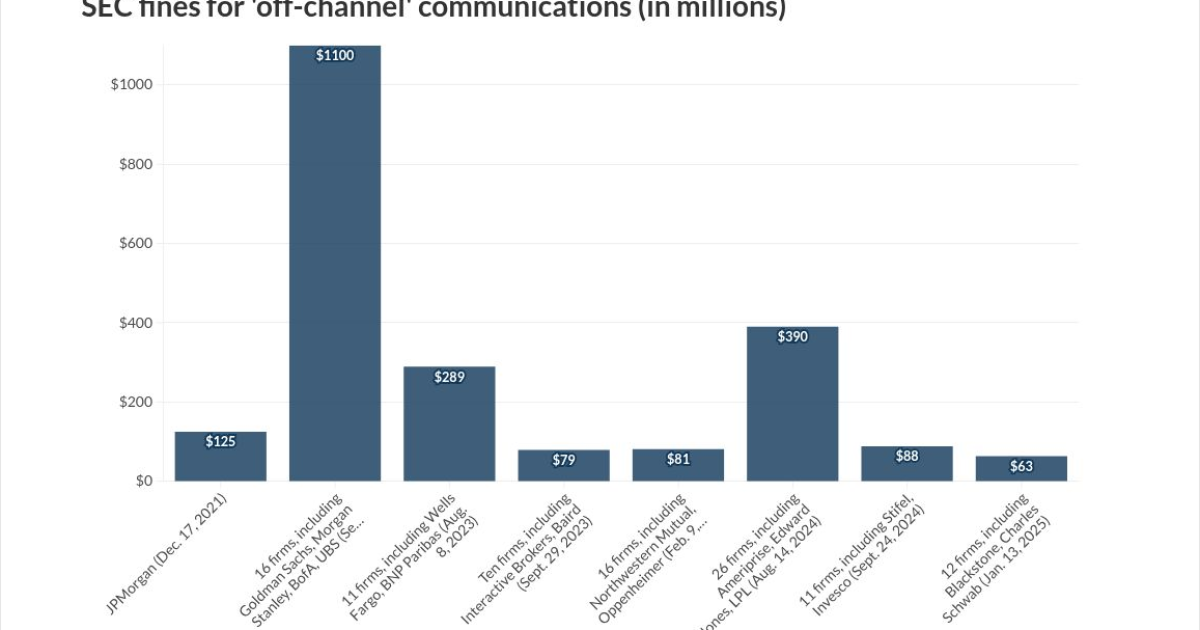
Judge orders SEC to release data behind B in WhatsApp fines

Judge orders SEC to release data behind $2B in WhatsApp fines

March 10, 2026
8 Cost-Cutting Moves Retirees Are Sharing Online in February

8 Cost-Cutting Moves Retirees Are Sharing Online in February

February 14, 2026
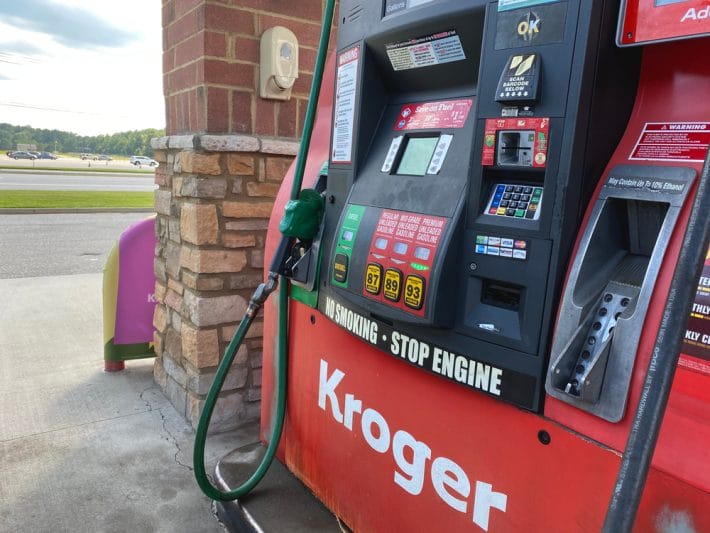
3 Grocery Chains That Give Seniors a “Gas Bonus” for Every  Spent

3 Grocery Chains That Give Seniors a “Gas Bonus” for Every $50 Spent

March 15, 2026
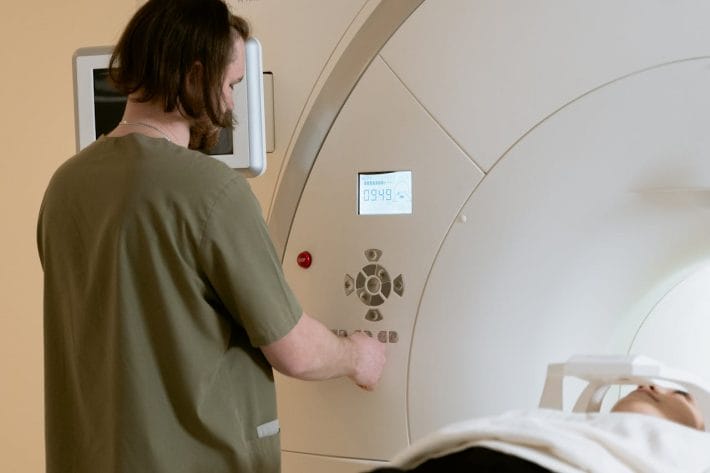
8 Procedures That Can Be Cheaper Without Insurance

8 Procedures That Can Be Cheaper Without Insurance

February 14, 2026
FPA partners with Snappy Kraken to update PlannerSearch

FPA partners with Snappy Kraken to update PlannerSearch

February 25, 2026
The people who stay kind after being hurt aren’t soft — they’re the most structurally complex people in any room, because they’re holding two truths at the same time: that the world can be brutal and that they refuse to be, and the energy required to hold both of those without collapsing into one is a weight that nobody sees because it looks like ease

The people who stay kind after being hurt aren’t soft — they’re the most structurally complex people in any room, because they’re holding two truths at the same time: that the world can be brutal and that they refuse to be, and the energy required to hold both of those without collapsing into one is a weight that nobody sees because it looks like ease

0
Agent Control Planes Still Need A Robust Standards Stack

Agent Control Planes Still Need A Robust Standards Stack

0
Urgent Recall: 180,000 Ovens Pulled Over Burn Risk—Check Your Kitchen Now

Urgent Recall: 180,000 Ovens Pulled Over Burn Risk—Check Your Kitchen Now

0
Fervo Energy Secures More Funding for Cape Station Geothermal Project

Fervo Energy Secures More Funding for Cape Station Geothermal Project

0
NVIDIA (NVDA) eyes China AI chip re-entry as export licensing shifts to case-by-case review

NVIDIA (NVDA) eyes China AI chip re-entry as export licensing shifts to case-by-case review

0
Rs 1 lakh crore wiped off! Bajaj Finance shares tumble 18% in March so far amid raging Iran-US war

Rs 1 lakh crore wiped off! Bajaj Finance shares tumble 18% in March so far amid raging Iran-US war

0
The people who stay kind after being hurt aren’t soft — they’re the most structurally complex people in any room, because they’re holding two truths at the same time: that the world can be brutal and that they refuse to be, and the energy required to hold both of those without collapsing into one is a weight that nobody sees because it looks like ease

The people who stay kind after being hurt aren’t soft — they’re the most structurally complex people in any room, because they’re holding two truths at the same time: that the world can be brutal and that they refuse to be, and the energy required to hold both of those without collapsing into one is a weight that nobody sees because it looks like ease

March 20, 2026
Urgent Recall: 180,000 Ovens Pulled Over Burn Risk—Check Your Kitchen Now

Urgent Recall: 180,000 Ovens Pulled Over Burn Risk—Check Your Kitchen Now

March 20, 2026
Market Talk – March 20, 2026

Market Talk – March 20, 2026

March 20, 2026
Georgia opens the gas-tax playbook on oil shock (UNG:NYSEARCA)

Georgia opens the gas-tax playbook on oil shock (UNG:NYSEARCA)

March 20, 2026
Small-cap Russell 2000 enters correction territory

Small-cap Russell 2000 enters correction territory

March 20, 2026
NVIDIA (NVDA) eyes China AI chip re-entry as export licensing shifts to case-by-case review

NVIDIA (NVDA) eyes China AI chip re-entry as export licensing shifts to case-by-case review

March 20, 2026
FeeOnlyNews.com

Get the latest news and follow the coverage of Business & Financial News, Stock Market Updates, Analysis, and more from the trusted sources.

CATEGORIES

  • Business
  • Cryptocurrency
  • Economy
  • Financial Planning
  • Investing
  • Market Analysis
  • Markets
  • Money
  • Personal Finance
  • Startups
  • Stock Market
  • Trading

LATEST UPDATES

  • The people who stay kind after being hurt aren’t soft — they’re the most structurally complex people in any room, because they’re holding two truths at the same time: that the world can be brutal and that they refuse to be, and the energy required to hold both of those without collapsing into one is a weight that nobody sees because it looks like ease
  • Urgent Recall: 180,000 Ovens Pulled Over Burn Risk—Check Your Kitchen Now
  • Market Talk – March 20, 2026
  • Our Great Privacy Policy
  • Terms of Use, Legal Notices & Disclaimers
  • About Us
  • Contact Us

Copyright © 2022-2024 All Rights Reserved
See articles for original source and related links to external sites.

Welcome Back!

Sign In with Facebook
Sign In with Google
Sign In with Linked In
OR

Login to your account below

Forgotten Password?

Retrieve your password

Please enter your username or email address to reset your password.

Log In
No Result
View All Result
  • Home
  • Business
  • Financial Planning
  • Personal Finance
  • Investing
  • Money
  • Economy
  • Markets
  • Stocks
  • Trading

Copyright © 2022-2024 All Rights Reserved
See articles for original source and related links to external sites.