No Result
View All Result
  • Login
Sunday, April 12, 2026
FeeOnlyNews.com
  • Home
  • Business
  • Financial Planning
  • Personal Finance
  • Investing
  • Money
  • Economy
  • Markets
  • Stocks
  • Trading
  • Home
  • Business
  • Financial Planning
  • Personal Finance
  • Investing
  • Money
  • Economy
  • Markets
  • Stocks
  • Trading
No Result
View All Result
FeeOnlyNews.com
No Result
View All Result
Home Startups

Somewhere between 1995 and 2010, patience stopped being a virtue and became a market failure – and we built an entire civilization on top of that assumption

by FeeOnlyNews.com
4 hours ago
in Startups
Reading Time: 5 mins read
A A
0
Somewhere between 1995 and 2010, patience stopped being a virtue and became a market failure – and we built an entire civilization on top of that assumption
Share on FacebookShare on TwitterShare on LInkedIn


Here’s a thing I’ve been turning over: impatience isn’t a personality flaw anymore. It’s infrastructure. It’s baked into the checkout flow, the autoplay queue, the notification stack, the entire architecture of how we interact with the world. Somewhere between 1995 and 2010, a bunch of very smart engineers and product designers looked at the human tendency to wait and decided it was a bug, not a feature. And honestly, we just let them run with it.

I know this because I caught myself in it. Standing in a supermarket queue in Vietnam, maybe four people deep, and I felt a genuine spike of anger. Not mild irritation. Real, cortisol-soaked anger. At a line. A two-minute wait. I’d been in that country less than a year, and I’d imported the assumption that waiting was a personal insult without even noticing I’d packed it.

That moment stuck with me. Because I grew up in Melbourne in the 90s, where patience wasn’t celebrated exactly, but it was at least a known quantity. You waited for Saturday morning cartoons. You waited for letters. You waited for dial-up. Then the quiet revolution happened, and convenience became total, and we stopped asking what we’d traded for it. I think that shift broke something important. Not the convenience itself, but what we concluded from it.

The Engineering of Impatience

In 1997, Amazon introduced one-click buying. It sounds innocuous, even clever. But Cornell research found that removing friction from the checkout process didn’t just make shopping easier. It made people spend more, visit more often, and stop pausing before they bought. The friction, it turns out, wasn’t just annoying. It was doing cognitive work. It was the half-second where your brain asked, “Do I actually need this?” One-click removed that question from the equation entirely.

That’s a business innovation. But it’s also a philosophical statement. It says: hesitation is the enemy. Deliberation slows conversion. Patience is a market failure.

From there, the logic spread fast. Streaming platforms auto-play the next episode. Social feeds scroll infinitely with no natural stopping point. Notifications interrupt everything, always. Recent research shows our brains are now wired to choose smaller, immediate rewards over larger, delayed ones, a phenomenon called delay discounting, and that smartphones are specifically designed to trigger this tendency. The system isn’t malfunctioning. It’s working exactly as intended.

The result is a baseline level of impatience that would have seemed pathological to someone from thirty years ago. We get frustrated when a page takes three seconds to load. We abandon videos after eight seconds of buffer. We feel vaguely anxious when someone doesn’t reply to a message within the hour. And crucially, we’ve started to mistake this anxiety for normal.

What We Actually Lost

Here’s where it gets worth paying attention to. Because the research on patience and delayed gratification is unusually consistent, which is rare in psychology.

Studies consistently show that people with a stronger ability to delay gratification report higher wellbeing, greater self-esteem, more productive responses to frustration, and better emotional regulation. It’s not a small effect. The ability to wait, to sit with discomfort, to defer a reward, turns out to be one of the most reliable predictors of a good life we’ve found. And it’s not just about saying no to marshmallows. It shows up in physical health, financial stability, relationship quality, and mental health outcomes across the board.

Meanwhile, researchers at the APA have documented that human attention spans have shrunk considerably over the past couple of decades, with psychologist Gloria Mark’s work showing the average time we spend on a screen before switching tasks fell from 2.5 minutes in 2004 to just 47 seconds in recent years. We are, neurologically, becoming less capable of sitting still with anything.

These two trends are not unrelated. The engineering of impatience, pursued relentlessly by every platform and product competing for our attention, is quietly eroding one of the core capacities that makes a human life go well.

Buddhism Knew This Already

I came to Buddhism awkwardly, reading on my phone during warehouse breaks in my mid-twenties, which in retrospect has a certain irony. But one of the first things that landed was how little the tradition treated patience as passive. In Pali, the word is khanti. It’s a paramita, one of the perfections, one of the qualities worth developing as a serious life practice. Not tolerance. Not gritting your teeth. Active, cultivated, dignified patience.

The Buddhist framing is useful here because it reframes what we’re actually talking about. Patience isn’t the absence of desire. It’s the capacity to hold desire without being controlled by it. To want something and still wait. To be uncomfortable and not immediately reach for relief. That gap, between impulse and action, is where a lot of what makes us human actually lives. Our creativity, our judgment, our ability to act in accordance with what we actually value rather than what we momentarily want.

When we engineer that gap out of existence, we don’t free people. We just make them more reactive. And research published in Frontiers in Psychology supports this, finding that how we handle the tension between immediate pleasures and long-term objectives shapes our psychological wellbeing in fundamental ways. The cognitive process of choosing to wait isn’t just about self-control. It’s about who we’re becoming over time.

The Practice, Not the Nostalgia

I want to be clear that I’m not romanticising dial-up internet or the inconvenience of waiting two weeks for a mail-order catalogue. Convenience is genuinely good. The question is what we do with the assumption that convenience should be total and that discomfort always signals something wrong.

The practical response isn’t to become a Luddite. It’s smaller than that. It’s reintroducing friction on purpose. Leaving a gap before you respond to a message. Finishing one thing before starting another. Letting a craving pass without acting on it. Reading something long and slow. Sitting in the queue without pulling out your phone.

These aren’t grand transformations. They’re micro-practices of deliberate waiting, tiny reclamations of that gap between impulse and action. And according to the research, they compound. They build the capacity for patience the same way running builds the capacity for endurance. A little, consistently, over time.

My daughter is still very small, a few months old, living in Saigon’s noise and heat and chaos. She has no concept of instant gratification yet. She just wants, and waits, and sometimes gets. I catch myself thinking I’ll build something in our house that the algorithm can’t touch, some fortress of slow living and deliberate friction. But honestly, I don’t know if that’s a real plan or just a thing anxious parents tell themselves. Maybe the goal isn’t to protect her from impatience at all. Maybe it’s just to make sure she knows it wasn’t always like this, and that the gap between wanting and getting used to mean something, even if I can’t fully articulate what.

I’m still working on that part.



Source link

Tags: assumptionBuiltCivilizationEntirefailuremarketpatienceStoppedTopvirtue
ShareTweetShare
Previous Post

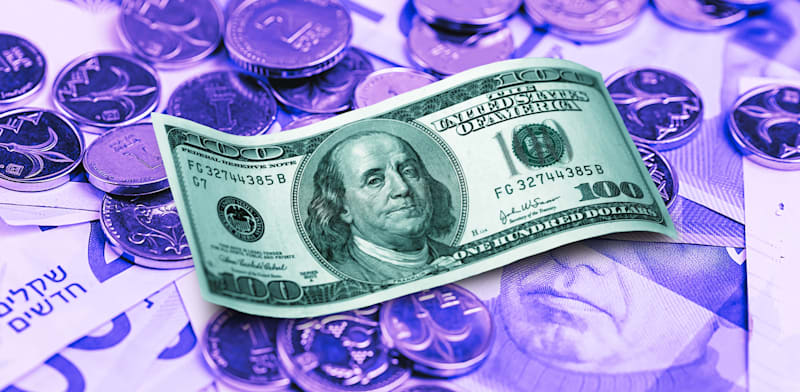
Shekel at 30-year strongest against dollar

Next Post

SNAP in Pennsylvania: What’s The Maximum Income To Qualify?

Related Posts

The cruelest myth about self-discipline is that you have to feel ready – you don’t, you never will, and the people who figured that out earlier simply have more years of evidence that the feeling eventually follows the action

The cruelest myth about self-discipline is that you have to feel ready – you don’t, you never will, and the people who figured that out earlier simply have more years of evidence that the feeling eventually follows the action

by FeeOnlyNews.com
April 12, 2026
0

Nobody wakes up on a cold morning, alarm screaming, and thinks: yes, this is exactly the moment I’ve been waiting...

Psychology says the loneliest part of getting older isn’t being alone – it’s realizing that some friendships were only meant for a season, and not everyone grows with you

Psychology says the loneliest part of getting older isn’t being alone – it’s realizing that some friendships were only meant for a season, and not everyone grows with you

by FeeOnlyNews.com
April 11, 2026
0

Nobody warns you about this part. You’re prepared, in some vague way, for the grey hair and the slower metabolism....

People who stop trying to be liked are often accused of having an attitude – by the people who most benefited from them having none

People who stop trying to be liked are often accused of having an attitude – by the people who most benefited from them having none

by FeeOnlyNews.com
April 11, 2026
0

Ever notice how the moment you stop bending over backwards for someone, they suddenly have a problem with your “attitude”?...

There’s a kind of exhaustion specific to people who grew up in the 1960s and 70s — not physical tiredness but the cumulative weight of having been reliable for so long, for so many people, with so little reciprocity, that they genuinely cannot remember what it felt like to be the one who was taken care of

There’s a kind of exhaustion specific to people who grew up in the 1960s and 70s — not physical tiredness but the cumulative weight of having been reliable for so long, for so many people, with so little reciprocity, that they genuinely cannot remember what it felt like to be the one who was taken care of

by FeeOnlyNews.com
April 11, 2026
0

You know that bone-deep tired that has nothing to do with needing sleep? That weight in your chest that makes...

There’s a generation of people who were praised exclusively for being easy to deal with, and they became adults who genuinely cannot tell the difference between being content and being convenient. The two feelings merged so early that separating them now feels like surgery.

There’s a generation of people who were praised exclusively for being easy to deal with, and they became adults who genuinely cannot tell the difference between being content and being convenient. The two feelings merged so early that separating them now feels like surgery.

by FeeOnlyNews.com
April 11, 2026
0

Donna asked me what I wanted for dinner last Tuesday. I stood in the kitchen with the fridge open and...

There’s a quiet confidence that develops specifically in people who failed publicly in their twenties and simply kept going. They don’t carry less fear than everyone else. They just have empirical proof that humiliation is survivable, and that proof changed everything.

There’s a quiet confidence that develops specifically in people who failed publicly in their twenties and simply kept going. They don’t carry less fear than everyone else. They just have empirical proof that humiliation is survivable, and that proof changed everything.

by FeeOnlyNews.com
April 10, 2026
0

The conventional wisdom about confidence holds that it derives from success; stack enough wins, accumulate enough proof of competence, and...

Next Post
SNAP in Pennsylvania: What’s The Maximum Income To Qualify?

SNAP in Pennsylvania: What’s The Maximum Income To Qualify?

This TikTok sensation sold her startup for  billion. Now Pepsi is letting ‘Poppi be Poppi’

This TikTok sensation sold her startup for $2 billion. Now Pepsi is letting 'Poppi be Poppi'

  • Trending
  • Comments
  • Latest
The 23 Largest Global Startup Funding Rounds of February 2026 – AlleyWatch

The 23 Largest Global Startup Funding Rounds of February 2026 – AlleyWatch

March 27, 2026
Easter Basket Ideas for Kids

Easter Basket Ideas for Kids

March 23, 2026
3 Grocery Chains That Give Seniors a “Gas Bonus” for Every  Spent

3 Grocery Chains That Give Seniors a “Gas Bonus” for Every $50 Spent

March 15, 2026
Royal Caribbean, Bank of America Launching New Credit Cards

Royal Caribbean, Bank of America Launching New Credit Cards

March 31, 2026
CVS Deals Under  This Week

CVS Deals Under $1 This Week

March 30, 2026
7 Reasons You Might Not Want a Video Doorbell

7 Reasons You Might Not Want a Video Doorbell

April 7, 2026
Money Laundering and Oliver Bullough’s New Pearl-Clutching Book

Money Laundering and Oliver Bullough’s New Pearl-Clutching Book

0
Mcap of 8 of top-10 most valued firms jumps Rs 4.13 lakh cr; HDFC, ICICI Bank top gainers

Mcap of 8 of top-10 most valued firms jumps Rs 4.13 lakh cr; HDFC, ICICI Bank top gainers

0
Nexstar Media Group Stock Jumps 5% Amid Sector-Wide Rally

Nexstar Media Group Stock Jumps 5% Amid Sector-Wide Rally

0
Somewhere between 1995 and 2010, patience stopped being a virtue and became a market failure – and we built an entire civilization on top of that assumption

Somewhere between 1995 and 2010, patience stopped being a virtue and became a market failure – and we built an entire civilization on top of that assumption

0
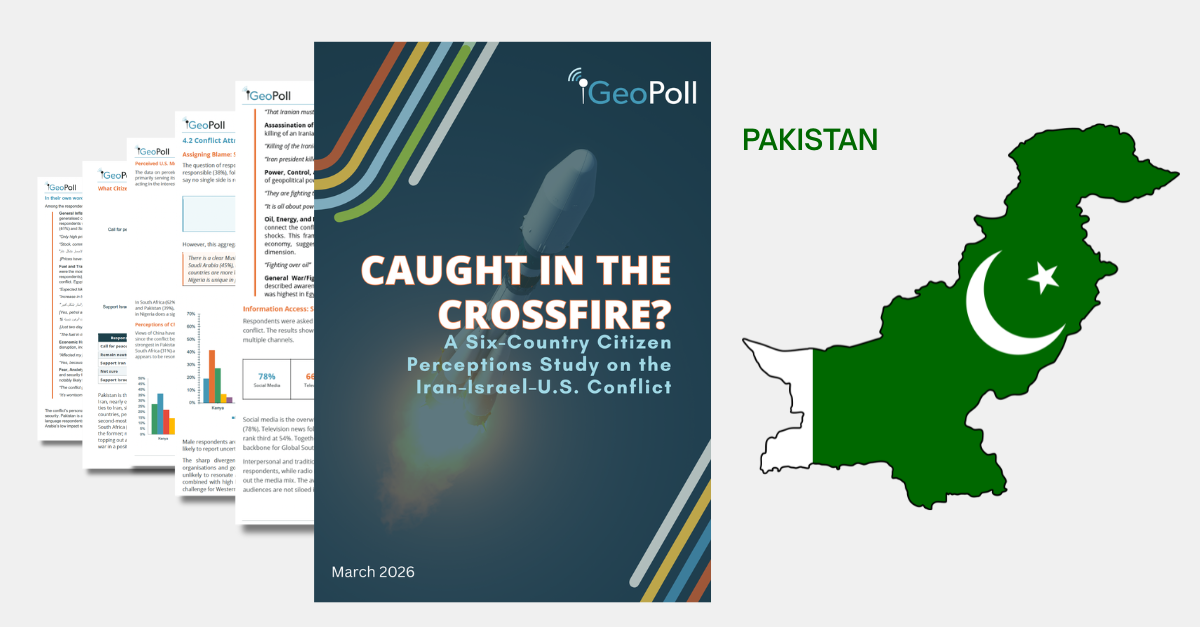
Pakistan: Caught in the Iran-Israel-US Crossfire?

Pakistan: Caught in the Iran-Israel-US Crossfire?

0
This TikTok sensation sold her startup for  billion. Now Pepsi is letting ‘Poppi be Poppi’

This TikTok sensation sold her startup for $2 billion. Now Pepsi is letting ‘Poppi be Poppi’

0
This TikTok sensation sold her startup for  billion. Now Pepsi is letting ‘Poppi be Poppi’

This TikTok sensation sold her startup for $2 billion. Now Pepsi is letting ‘Poppi be Poppi’

April 12, 2026
SNAP in Pennsylvania: What’s The Maximum Income To Qualify?

SNAP in Pennsylvania: What’s The Maximum Income To Qualify?

April 12, 2026
Somewhere between 1995 and 2010, patience stopped being a virtue and became a market failure – and we built an entire civilization on top of that assumption

Somewhere between 1995 and 2010, patience stopped being a virtue and became a market failure – and we built an entire civilization on top of that assumption

April 12, 2026
Shekel at 30-year strongest against dollar

Shekel at 30-year strongest against dollar

April 12, 2026
Top Street analysts prefer these dividend stocks for steady income

Top Street analysts prefer these dividend stocks for steady income

April 12, 2026
Hotstocks KW 15 / 2026 – Starke Aktien für schwierige Zeiten!

Hotstocks KW 15 / 2026 – Starke Aktien für schwierige Zeiten!

April 12, 2026
FeeOnlyNews.com

Get the latest news and follow the coverage of Business & Financial News, Stock Market Updates, Analysis, and more from the trusted sources.

CATEGORIES

  • Business
  • Cryptocurrency
  • Economy
  • Financial Planning
  • Investing
  • Market Analysis
  • Markets
  • Money
  • Personal Finance
  • Startups
  • Stock Market
  • Trading

LATEST UPDATES

  • This TikTok sensation sold her startup for $2 billion. Now Pepsi is letting ‘Poppi be Poppi’
  • SNAP in Pennsylvania: What’s The Maximum Income To Qualify?
  • Somewhere between 1995 and 2010, patience stopped being a virtue and became a market failure – and we built an entire civilization on top of that assumption
  • Our Great Privacy Policy
  • Terms of Use, Legal Notices & Disclaimers
  • About Us
  • Contact Us

Copyright © 2022-2024 All Rights Reserved
See articles for original source and related links to external sites.

Welcome Back!

Sign In with Facebook
Sign In with Google
Sign In with Linked In
OR

Login to your account below

Forgotten Password?

Retrieve your password

Please enter your username or email address to reset your password.

Log In
No Result
View All Result
  • Home
  • Business
  • Financial Planning
  • Personal Finance
  • Investing
  • Money
  • Economy
  • Markets
  • Stocks
  • Trading

Copyright © 2022-2024 All Rights Reserved
See articles for original source and related links to external sites.