Add Silicon Canals to your Google News feed. 
Saudi Arabia has announced a $40 billion commitment to artificial intelligence infrastructure, partnering with US-based firms to accelerate the Kingdom’s transformation from an oil-dependent economy into a global technology hub. The deal, brokered during President Trump’s visit to Riyadh, represents one of the largest single AI investment commitments by a sovereign nation and signals a dramatic acceleration in the Gulf state’s diversification strategy.
What the deal looks like
The $40 billion investment will flow through a new venture between Saudi Arabia’s Public Investment Fund (PIF) and US-based Humacyte and other American technology partners, with a significant portion earmarked for building data centres, semiconductor supply chains, and AI training infrastructure across the Kingdom. The announcement came as part of a broader package of US-Saudi economic agreements reportedly worth hundreds of billions of dollars across defence, energy, and technology sectors.
The AI-specific commitment will fund the construction of massive data centre campuses in Saudi Arabia, designed to support the compute-intensive workloads that underpin modern AI systems. These facilities are expected to be operational in phases, with initial capacity coming online within the next two to three years. The partnership also includes provisions for workforce development, with Saudi nationals being trained in AI operations, chip design, and machine learning engineering.
The strategic calculus behind $40 billion
This investment is best understood within the context of Saudi Arabia’s Vision 2030 framework, which has guided the Kingdom’s economic diversification efforts since its launch in 2016. With oil revenues still accounting for roughly 60% of government income, the urgency to build alternative economic engines has only intensified as global energy transitions accelerate.
As I covered recently when Saudi Arabia launched its $100 billion tech fund, the Gulf states are engaged in a genuine race to position themselves as indispensable nodes in the global technology supply chain. The AI infrastructure commitment deepens that play considerably: while a tech fund distributes capital across promising ventures, building physical AI infrastructure creates something far stickier. Data centres, once built and populated with client workloads, become gravitational centres for entire ecosystems of startups, researchers, and multinational operations.
The psychology of this move mirrors what we see in high-performing individuals and organisations: investing heavily in foundational infrastructure before the returns are visible. Saudi Arabia is placing a generational bet that the countries hosting AI compute will wield outsized influence in the coming decades, much as oil-producing nations shaped the 20th century geopolitical order.
Why location matters in the AI age
One underappreciated dimension of this deal is geography. AI workloads require enormous amounts of energy, and Saudi Arabia has two structural advantages here: abundant solar irradiance for renewable power generation, and existing energy infrastructure that can bridge the gap while renewables scale. Data centres are voracious consumers of electricity, and the economics of running them in a sun-drenched desert with cheap energy inputs are genuinely compelling.
There’s also the matter of data sovereignty. As nations worldwide grapple with where their citizens’ data is stored and processed, having world-class AI infrastructure within the Middle East and North Africa (MENA) region gives Saudi Arabia leverage as a regional data hub. Companies operating across the Gulf Cooperation Council states, North Africa, and South Asia may find Saudi-based data centres an attractive middle ground between Western and Asian infrastructure.
This geographic positioning also complements the Kingdom’s broader technology ambitions. Saudi Arabia’s recently announced $100 billion AI fund is designed to invest in AI companies globally, meaning the Kingdom is building both the supply side (infrastructure) and the demand side (a portfolio of AI-native companies) simultaneously. That kind of vertical integration across the AI value chain is rare among sovereign investors.
The competitive landscape
Saudi Arabia’s move arrives in a global environment where AI infrastructure spending has reached extraordinary levels. Hyperscalers like Microsoft, Google, and Amazon have collectively committed over $200 billion in capital expenditure for 2025, much of it directed toward AI data centres. Countries from Malaysia to Ireland are competing aggressively to host these facilities.
The UAE, Saudi Arabia’s closest regional rival in the tech diversification race, has pursued its own aggressive AI strategy through entities like G42 and the Mohamed bin Zayed University of Artificial Intelligence. The two Gulf neighbours appear to be pursuing complementary but competitive strategies, with the UAE focusing more on AI research and model development while Saudi Arabia bets on infrastructure scale.
For the United States, the deal serves dual purposes: it strengthens economic ties with a key Middle Eastern ally while creating export markets for American AI technology at a time when restrictions on chip sales to China have narrowed other avenues for growth. US firms gain access to sovereign capital and guaranteed demand; Saudi Arabia gains technology transfer and accelerated capability building.
Risks and open questions
A $40 billion commitment carries proportionate risks. Building AI infrastructure is capital-intensive and technically demanding, and the Kingdom’s track record on mega-projects is mixed. NEOM, the $500 billion futuristic city project, has faced significant scaling back from its original ambitions. Whether AI data centres, which have clearer commercial logic and more established construction methodologies, will follow a different trajectory remains to be seen.
There are also workforce challenges. Saudi Arabia has invested heavily in STEM education and technical training programs, but building a domestic talent pipeline capable of operating cutting-edge AI infrastructure takes years. The Kingdom will likely depend on expatriate expertise in the near term, which creates its own organisational and political complexities.
Human rights concerns continue to shadow Saudi Arabia’s technology ambitions. AI infrastructure inherently raises questions about surveillance capabilities, and international observers will watch closely how these systems are governed. The Kingdom’s ability to attract global technology partners may ultimately depend on establishing credible governance frameworks that address these concerns.
The bigger picture
What makes this moment significant is the convergence of several forces: a petrostate with deep capital reserves, a global AI infrastructure shortage, geopolitical realignment between the US and Gulf states, and the dawning recognition that compute capacity may be the most strategic resource of the 21st century.
Saudi Arabia’s $40 billion AI bet is a statement about where the Kingdom sees its future. Oil built the modern Saudi state; artificial intelligence, the leadership is wagering, will sustain it. The next decade will reveal whether that wager pays off, but the scale of commitment alone has already reshaped the global conversation about who will own the physical backbone of the AI revolution.
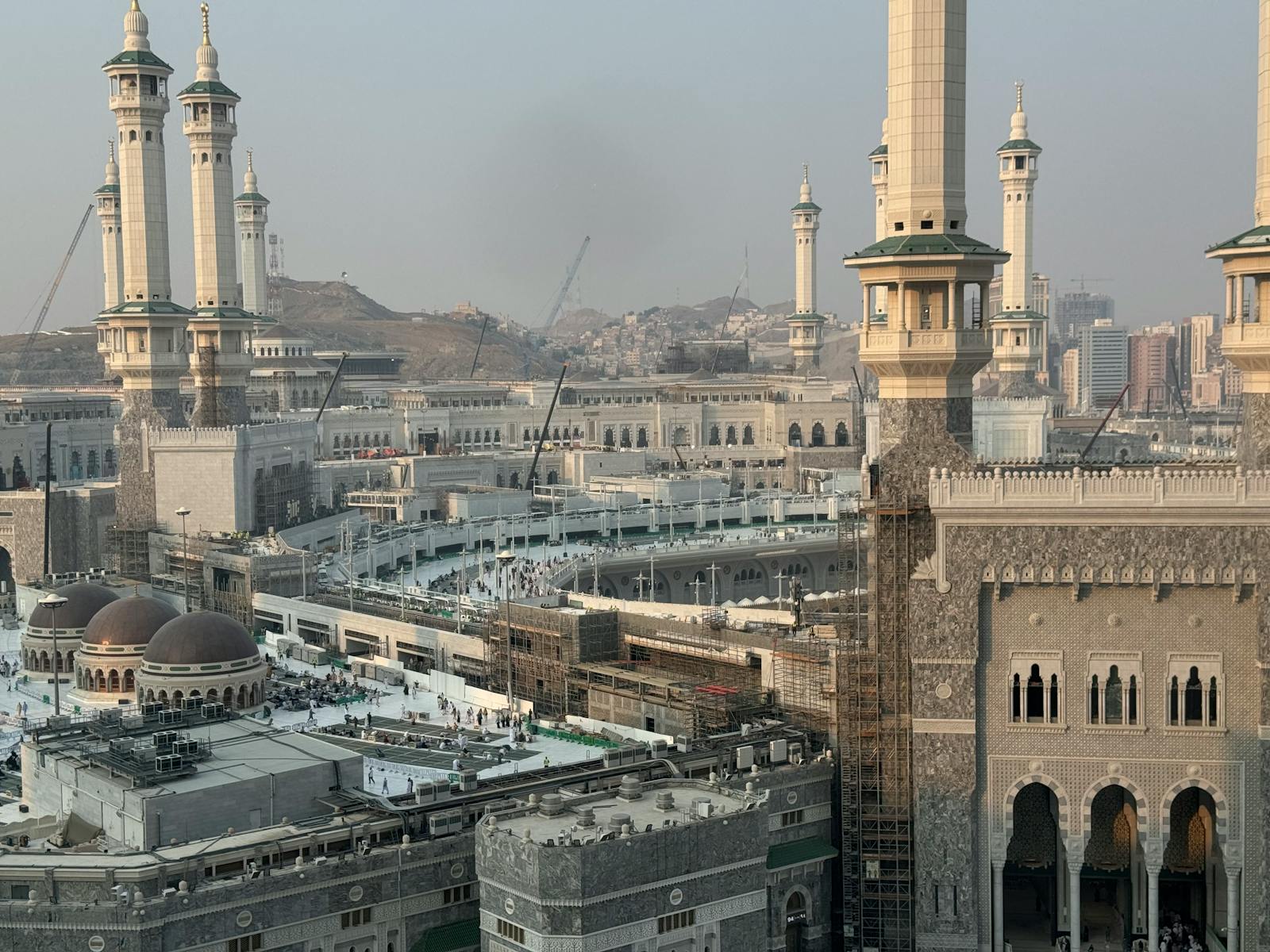
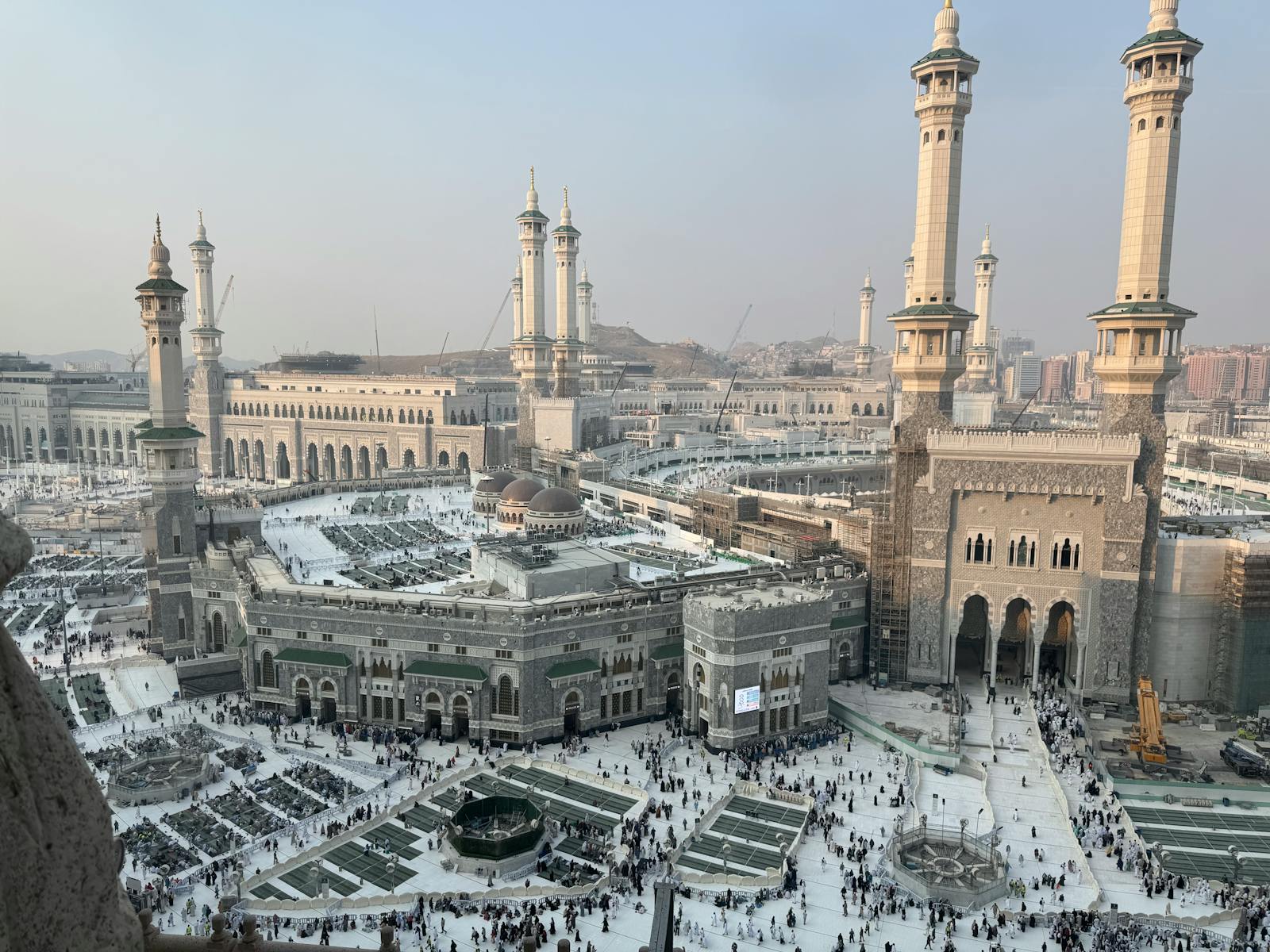
Feature image by Earth Photart on Pexels