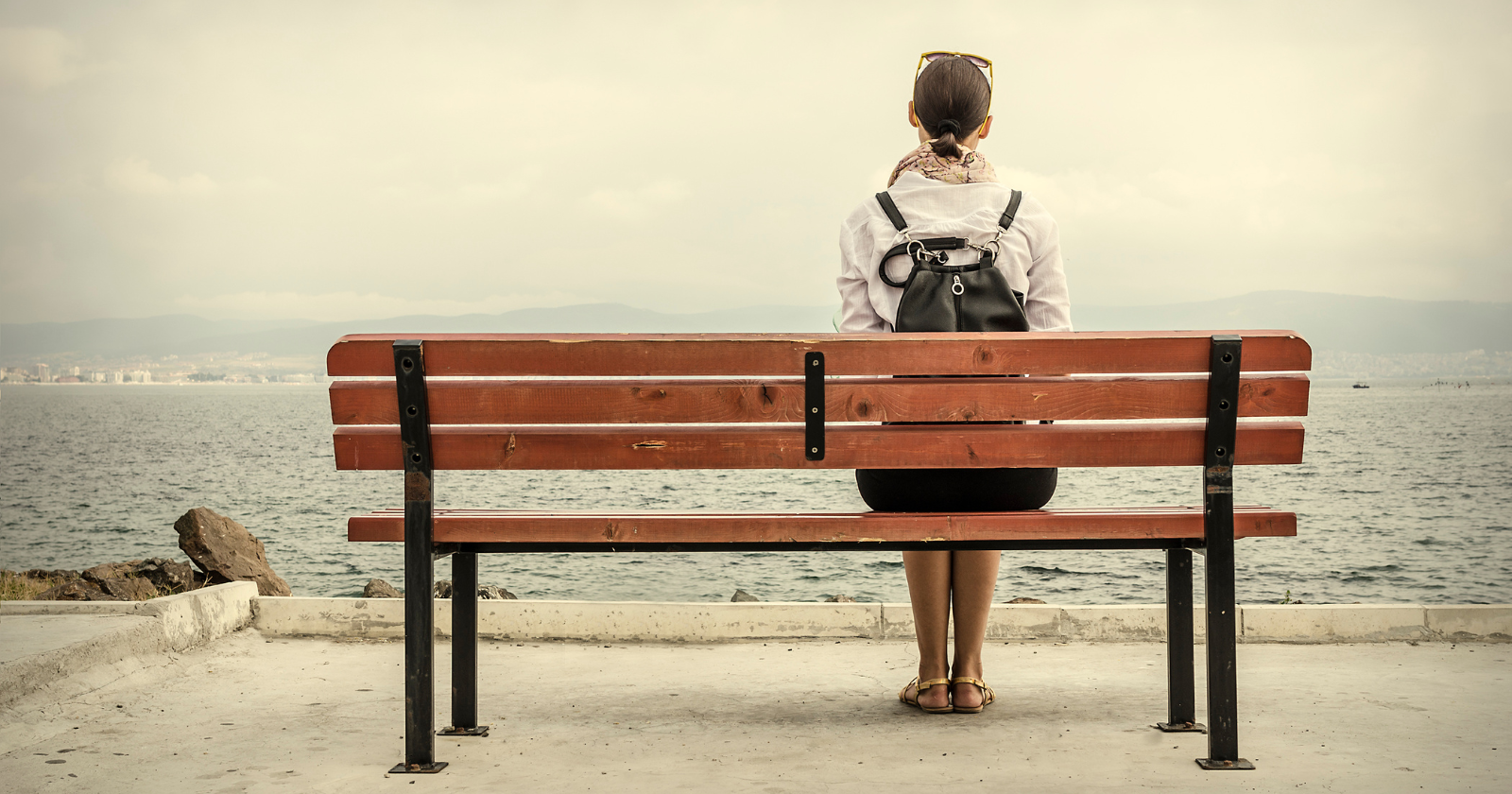
Ever notice how the person who leaves the party early often gets labeled as antisocial? Or how choosing a quiet night with a book over drinks with colleagues somehow makes you “not a team player”?
We live in a world that celebrates extroversion. The loudest voice in the room gets heard. The social butterfly gets promoted. And somewhere along the way, we started believing that preferring solitude means something’s wrong with us.
But here’s what psychology actually tells us: those who genuinely prefer their own company over constant socializing often possess some remarkably unique traits that set them apart in powerful ways.
I spent years fighting this preference myself. Growing up as the quieter brother, I’d force myself into social situations that drained me, thinking I needed to “fix” something about myself. It wasn’t until I studied psychology at university that I realized my preference for solitude wasn’t a bug—it was a feature.
Today, let’s explore seven distinctive traits that psychology links to those who choose solitude over endless socializing.
1. Deep thinking and analytical prowess
You know that friend who always seems to have thought everything through? The one who sees angles others miss and connects dots that weren’t obvious?
Chances are, they’re someone who values their alone time.
Research consistently shows that people who prefer solitude tend to engage in more reflective thinking. Without the constant input of social interaction, their minds have space to wander, analyze, and synthesize information in unique ways.
I discovered this firsthand when I started writing early in the morning, before the world wakes up. Those quiet hours became my most productive, not just for getting words on the page, but for actually thinking through complex ideas. The clarity that comes from uninterrupted thought is something you simply can’t achieve in a crowded room.
This isn’t about being smarter than social people. It’s about having the mental space to dive deep rather than skim the surface. While others are processing social cues and managing group dynamics, solitude-seekers are free to explore ideas without interruption.
2. Heightened creativity
Ever wondered why so many artists, writers, and innovators are known for their solitary habits? There’s a psychological reason for this pattern.
Solitude provides what researchers call “incubation time”—those crucial moments when your unconscious mind works on problems while your conscious mind rests. It’s why your best ideas often come in the shower or during a solo walk.
In my book, Hidden Secrets of Buddhism: How To Live With Maximum Impact and Minimum Ego, I explore how Buddhist monks have understood this principle for centuries. They use solitary meditation not just for spiritual growth, but as a tool for creative problem-solving.
When you’re alone, you’re free from the pressure to conform to group thinking. You can explore weird ideas, make unusual connections, and let your imagination run wild without fear of judgment. This freedom is where true innovation happens.
The next time someone questions your need for alone time, remember that you’re not being antisocial—you’re giving your creativity the space it needs to flourish.
3. Emotional self-sufficiency
Here’s something that might surprise you: preferring solitude often indicates exceptional emotional strength, not weakness.
People who are comfortable alone have typically developed robust internal resources. They don’t need constant external validation to feel secure. Their sense of worth comes from within, making them less susceptible to peer pressure and social manipulation.
This doesn’t mean they don’t value relationships. Actually, it’s quite the opposite. When you’re emotionally self-sufficient, you enter relationships from a place of want rather than need. You’re choosing to share your life with others, not desperately clinging to them for validation.
I learned this lesson the hard way. Years of social anxiety taught me to seek approval constantly, but it was exhausting. Learning to enjoy my own company transformed my relationships. When you’re not trying to fill an internal void through others, your connections become more authentic and meaningful.
4. Strong sense of identity
“Who are you when no one’s watching?”
This question reveals more about a person than any personality test ever could.
Those who regularly choose solitude have a clearer answer to this question than most. Without the constant influence of others’ opinions and expectations, they’ve had the time and space to figure out who they really are.
Psychology research shows that people who spend quality time alone tend to have stronger personal boundaries and clearer values. They know what they stand for because they’ve had the quiet moments necessary for self-reflection.
Think about it: when you’re constantly surrounded by others, you’re always adapting, compromising, and adjusting to group dynamics. While these are valuable social skills, too much of this can blur the lines of your individual identity.
Solitude-seekers maintain a strong sense of self because they regularly check in with themselves without outside interference.
5. Enhanced focus and productivity
In our age of constant distractions, the ability to focus deeply has become a superpower. Guess who’s naturally developing this skill?
People who prefer solitude are essentially training their concentration muscles every time they choose to be alone. Without social distractions, they can enter what psychologists call “flow states” more easily—those magical periods where time seems to disappear and productivity soars.
Studies have shown that open office environments, despite their popularity, actually decrease productivity by up to 70%. Why? Because human brains aren’t designed for constant social stimulation while trying to focus on complex tasks.
Those who actively seek solitude understand this intuitively. They protect their attention like the valuable resource it is. While others are frittering away their focus in endless meetings and social interactions, solitude-lovers are getting things done.
6. Greater authenticity
When I wrote Hidden Secrets of Buddhism: How To Live With Maximum Impact and Minimum Ego, one of the key insights I explored was how solitude strips away the masks we wear in social situations.
People who regularly spend time alone develop a remarkable trait: authenticity. They’ve spent enough time with their true selves that pretending to be someone else becomes uncomfortable, even impossible.
This authenticity isn’t always convenient. It might mean saying no to social events that don’t align with your values. It might mean being honest when others expect you to play along with social niceties. But this genuine approach to life attracts the right people and repels the wrong ones, creating more meaningful connections overall.
Psychology tells us that authentic people report higher life satisfaction and better mental health. They waste less energy maintaining false personas and invest more in pursuits that truly matter to them.
7. Resilience and independence
Perhaps the most valuable trait linked to preferring solitude is resilience.
When you’re comfortable being alone, you develop an unshakeable foundation. You learn that you can handle challenges without immediately running to others for support. This builds confidence and self-reliance that serves you in every area of life.
This became crystal clear to me while traveling and working abroad. Finding quiet spaces in busy cities became essential, not just for my introverted nature, but for maintaining my mental resilience. Those moments of solitude were where I processed experiences, recharged my energy, and prepared for whatever came next.
Resilient people aren’t those who never need help. They’re the ones who know how to self-soothe, self-motivate, and self-correct before seeking external support. This independence makes them valuable friends, partners, and colleagues because when they do reach out, it’s from a place of genuine connection rather than desperate need.
Final words
If you’ve ever felt guilty about declining social invitations or worried that your preference for solitude makes you weird, I hope this article has given you a different perspective.
Psychology doesn’t just validate your need for alone time—it celebrates the unique traits that come with it. Your deep thinking, creativity, emotional strength, and authenticity aren’t quirks to be hidden. They’re strengths to be cultivated.
The world needs people who think deeply, create fearlessly, and live authentically. These things happen best in solitude, away from the noise and expectations of constant socializing.
So the next time you choose a quiet evening over a loud party, remember: you’re not missing out on life. You’re building the very traits that make you extraordinary.