No Result
View All Result
  • Login
Saturday, March 21, 2026
FeeOnlyNews.com
  • Home
  • Business
  • Financial Planning
  • Personal Finance
  • Investing
  • Money
  • Economy
  • Markets
  • Stocks
  • Trading
  • Home
  • Business
  • Financial Planning
  • Personal Finance
  • Investing
  • Money
  • Economy
  • Markets
  • Stocks
  • Trading
No Result
View All Result
FeeOnlyNews.com
No Result
View All Result
Home Startups

Psychology says people from strict homes often become adults who do these 7 things unconsciously

by FeeOnlyNews.com
2 months ago
in Startups
Reading Time: 5 mins read
A A
0
Psychology says people from strict homes often become adults who do these 7 things unconsciously
Share on FacebookShare on TwitterShare on LInkedIn


Growing up, I thought my house rules were normal: No talking back, and no questioning decisions.

Perfect grades weren’t praised, they were expected.

Breaking rules meant consequences, no exceptions.

It wasn’t until my mid-twenties, sitting in a therapist’s office after a breakup, that I realized how deeply those early years had shaped who I’d become.

If you grew up in a strict household, you might recognize yourself in what follows.

Psychology research shows that children from rigid, authoritarian homes often develop specific unconscious behaviors that follow them into adulthood.

These patterns run so deep that we rarely notice them until someone points them out or life forces us to confront them.

The fascinating part? These behaviors often look like strengths on the surface.

They’re the coping mechanisms that helped us navigate childhood, but they can secretly sabotage our adult relationships, careers, and happiness.

1) They become people-pleasers who can’t say no

Remember how saying “no” to your parents wasn’t really an option? That training runs deep.

Adults from strict homes often find themselves saying yes to everything.

Extra projects at work? Sure.

Help a friend move on your only day off? Of course.

Stay late even though you’re exhausted? No problem.

Children raised in authoritarian households often develop what psychologists call “socially prescribed perfectionism.”

They learn early that love and approval are conditional on meeting expectations, so they keep trying to meet everyone’s expectations, all the time.

I discovered this pattern in therapy when my therapist asked me to list the last five times I’d said no to someone.

I couldn’t remember a single one.

The thought of disappointing someone triggered the same anxiety I’d felt as a kid when I brought home a 95 instead of 100.

The cost of chronic people-pleasing goes beyond exhaustion.

It erodes boundaries, breeds resentment, and ironically, can damage the very relationships we’re trying to protect.

2) They struggle with decision-making and second-guess everything

When every choice you made as a child was scrutinized or overruled, making decisions as an adult feels terrifying.

Should I take this job? Move to this city? End this relationship?

People from strict homes often find themselves paralyzed by these questions.

They’ve internalized a critical voice that questions every choice, imagining all the ways things could go wrong.

When children aren’t allowed to make age-appropriate choices and learn from mistakes, they don’t develop confidence in their judgment.

A college professor once told me I “wrote like I was afraid to have an opinion.”

That comment hit hard because it was true.

Every paragraph was hedged with “perhaps” and “it seems” because taking a firm stance felt dangerous.

What if I was wrong? What if someone disagreed?

This indecisiveness can manifest in small ways too such as taking forever to order at restaurants or asking friends to weigh in on minor purchases.

It’s exhausting, and it keeps us stuck.

3) They become hyper-independent and struggle to ask for help

“If you want something done right, do it yourself.”

Sound familiar?

Children in strict households often learn that showing weakness or asking for help leads to criticism or disappointment.

So, they become fiercely self-reliant, taking pride in never needing anyone.

According to attachment theory research, this creates what psychologists call “avoidant attachment patterns.”

We convince ourselves we don’t need support, even when we’re drowning.

This showed up in my relationships constantly.

Partners would offer help, and I’d reflexively decline because accepting it felt like admitting failure.

I’d learned to mask social anxiety with preparation and questions rather than admitting I was nervous and asking for reassurance.

The tragedy is that this self-reliance looks like strength but often stems from fear.

We’re not choosing independence because we’re avoiding the vulnerability of depending on others.

4) They develop perfectionism that becomes self-sabotage

Perfect wasn’t good enough in a strict home.

There was always something that could’ve been better.

This creates adults who set impossibly high standards for themselves.

We procrastinate because starting means risking imperfection, we overwork because good enough feels like failure, and we miss opportunities because we’re waiting to be “ready.”

I learned this lesson the hard way when my perfectionism led to missed deadlines.

I’d rather submit nothing than something imperfect.

A mentor finally broke through with simple advice: Done is better than perfect.

However, unlearning this pattern took years of conscious effort.

5) They read people obsessively and anticipate needs

Growing up, you learned to read the room instantly.

Dad’s jaw clenched meant trouble, mom’s silence meant disappointment, and survival meant becoming an emotional detective.

As adults, this turns into hypervigilance.

We scan faces for micro-expressions, analyze tone for hidden meanings, and anticipate what others need before they ask.

While emotional intelligence is valuable, this level of vigilance is exhausting.

Psychologists note that this “interpersonal sensitivity” often leads to anxiety and misinterpretation of neutral situations as threatening.

In relationships, this tendency to analyze everything could be exhausting for partners who just wanted to vent without me trying to solve their problems or read between lines that didn’t exist.

6) They struggle with emotional regulation and authenticity

“Stop crying or I’ll give you something to cry about.”

“Don’t you dare raise your voice at me.”

Strict homes often don’t allow space for authentic emotions.

Children learn to suppress feelings or express only acceptable ones.

This creates adults who either explode when emotions finally surface or feel disconnected from their feelings entirely.

We might intellectualize emotions rather than feeling them, or swing between emotional extremes.

Children who aren’t allowed to express emotions safely become adults who either over-control or under-control their emotional responses.

7) They have difficulty with intimacy and vulnerability

When love felt conditional on performance, letting someone see your flaws feels terrifying.

Adults from strict homes often keep partners at arm’s length.

We share achievements but hide struggles, we offer support but resist receiving it, and we love deeply but struggle to believe we’re loved in return.

This pattern usually traces back to insecure attachment formed in childhood.

When caregivers are authoritarian rather than authoritative, children learn that love requires earning through compliance and achievement.

Understanding my own attachment style through therapy was revelatory.

Suddenly, patterns I’d repeated since college made sense.

The relationships that felt “too easy” scared me because unconditional love felt foreign.

Final thoughts

If you recognize yourself in these patterns, you’re not broken.

These behaviors were adaptive responses to your environment, and they helped you survive and even thrive in many ways.

The good news? Awareness is the first step to change.

Once you recognize these unconscious patterns, you can start making conscious choices.

Therapy helps, and so does self-compassion and patience as you unlearn decades of conditioning.

Your strict upbringing shaped you, but it doesn’t have to define you.

With time and intention, you can keep the strengths it gave you while healing the wounds it left behind.




Source link

Tags: AdultsHomespeoplePsychologystrictunconsciously
ShareTweetShare
Previous Post

Nvidia CEO signals investment in OpenAI round may be largest yet

Next Post

Epstein files lead to resignation of top Slovakian official, while British prime minister calls on former prince to cooperate with U.S. authorities

Related Posts

I’m 37 and I realized last month that I have two hundred contacts in my phone and not a single person I could call at 2 AM without feeling like I was being a burden — and that math broke something in me

I’m 37 and I realized last month that I have two hundred contacts in my phone and not a single person I could call at 2 AM without feeling like I was being a burden — and that math broke something in me

by FeeOnlyNews.com
March 21, 2026
0

Add Silicon Canals to your Google News feed. I turned 37 last month. And in the days after my birthday,...

Behavioral scientists found that people who aren’t genuinely good don’t lack empathy — they possess what researchers call ‘selective empathy’ that activates only when there’s an audience or when feeling someone’s pain serves their narrative

Behavioral scientists found that people who aren’t genuinely good don’t lack empathy — they possess what researchers call ‘selective empathy’ that activates only when there’s an audience or when feeling someone’s pain serves their narrative

by FeeOnlyNews.com
March 20, 2026
0

Add Silicon Canals to your Google News feed. You have met this person. They cried at the fundraiser. They posted...

The people who stay kind after being hurt aren’t soft — they’re the most structurally complex people in any room, because they’re holding two truths at the same time: that the world can be brutal and that they refuse to be, and the energy required to hold both of those without collapsing into one is a weight that nobody sees because it looks like ease

The people who stay kind after being hurt aren’t soft — they’re the most structurally complex people in any room, because they’re holding two truths at the same time: that the world can be brutal and that they refuse to be, and the energy required to hold both of those without collapsing into one is a weight that nobody sees because it looks like ease

by FeeOnlyNews.com
March 20, 2026
0

Here’s something that trips most people up: the world can be genuinely brutal, and you can still refuse to become...

I’m 66 and I finally understand that my father’s anger when I came home late wasn’t about rules — it was about the 45 minutes he spent at the window imagining every possible version of what might have happened, and by the time I walked through the door his nervous system had processed so many catastrophic simulations that the relief arrived as fury because his body didn’t have a calmer way to discharge the accumulation

I’m 66 and I finally understand that my father’s anger when I came home late wasn’t about rules — it was about the 45 minutes he spent at the window imagining every possible version of what might have happened, and by the time I walked through the door his nervous system had processed so many catastrophic simulations that the relief arrived as fury because his body didn’t have a calmer way to discharge the accumulation

by FeeOnlyNews.com
March 20, 2026
0

Add Silicon Canals to your Google News feed. I was seventeen the last time my father met me at the...

I used to think forgiveness meant I had to feel peaceful about what happened. It took me until my late thirties to understand that forgiveness is just the moment you stop carrying someone else’s debt in your own body and it has absolutely nothing to do with how you feel about them.

I used to think forgiveness meant I had to feel peaceful about what happened. It took me until my late thirties to understand that forgiveness is just the moment you stop carrying someone else’s debt in your own body and it has absolutely nothing to do with how you feel about them.

by FeeOnlyNews.com
March 20, 2026
0

Add Silicon Canals to your Google News feed. Most of my thirties have been spent unlearning things I was sure...

Research suggests that people who talk to themselves out loud while problem-solving aren’t eccentric — they’re accessing a cognitive loop that processes information 30% more efficiently than internal dialogue, and the habit that most people suppress in public is the exact mechanism their brain would choose if social judgement weren’t part of the equation

Research suggests that people who talk to themselves out loud while problem-solving aren’t eccentric — they’re accessing a cognitive loop that processes information 30% more efficiently than internal dialogue, and the habit that most people suppress in public is the exact mechanism their brain would choose if social judgement weren’t part of the equation

by FeeOnlyNews.com
March 19, 2026
0

Add Silicon Canals to your Google News feed. Think about the last time you caught yourself talking out loud to...

Next Post
Epstein files lead to resignation of top Slovakian official, while British prime minister calls on former prince to cooperate with U.S. authorities

Epstein files lead to resignation of top Slovakian official, while British prime minister calls on former prince to cooperate with U.S. authorities

Indian markets likely to open higher ahead of Union Budget

Indian markets likely to open higher ahead of Union Budget

  • Trending
  • Comments
  • Latest
York IE Appoints Chuck Saia to its Strategic Advisory Board

York IE Appoints Chuck Saia to its Strategic Advisory Board

February 18, 2026
Judge orders SEC to release data behind B in WhatsApp fines

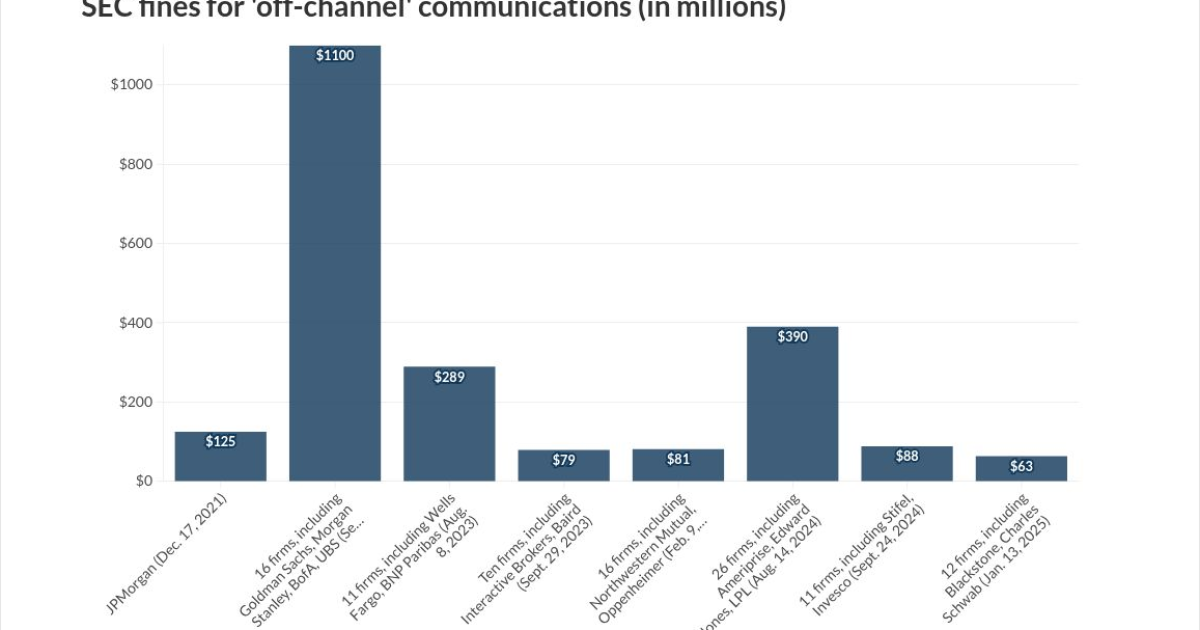
Judge orders SEC to release data behind $2B in WhatsApp fines

March 10, 2026
8 Cost-Cutting Moves Retirees Are Sharing Online in February

8 Cost-Cutting Moves Retirees Are Sharing Online in February

February 14, 2026
3 Grocery Chains That Give Seniors a “Gas Bonus” for Every  Spent

3 Grocery Chains That Give Seniors a “Gas Bonus” for Every $50 Spent

March 15, 2026
8 Procedures That Can Be Cheaper Without Insurance

8 Procedures That Can Be Cheaper Without Insurance

February 14, 2026
FPA partners with Snappy Kraken to update PlannerSearch

FPA partners with Snappy Kraken to update PlannerSearch

February 25, 2026
Buffett defends ‘Giving Pledge’ against Thiel and ‘billionaire backlash’

Buffett defends ‘Giving Pledge’ against Thiel and ‘billionaire backlash’

0
Home prices fell 0.9% in 2025

Home prices fell 0.9% in 2025

0
Book Review: Can’t Deny It

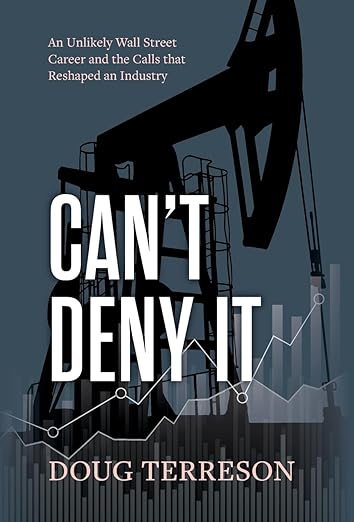
Book Review: Can’t Deny It

0
New Age Of Chaos | Armstrong Economics

New Age Of Chaos | Armstrong Economics

0
T-Mobile, Verizon, AT&T Go All-In On Discounts As Churn Surge Hits

T-Mobile, Verizon, AT&T Go All-In On Discounts As Churn Surge Hits

0
BlinkEx investment platform infrastructure – matching, risk controls, reliability

BlinkEx investment platform infrastructure – matching, risk controls, reliability

0
T-Mobile, Verizon, AT&T Go All-In On Discounts As Churn Surge Hits

T-Mobile, Verizon, AT&T Go All-In On Discounts As Churn Surge Hits

March 21, 2026
Verizon – VZ: eine Aktie für risikoscheue Anleger!

Verizon – VZ: eine Aktie für risikoscheue Anleger!

March 21, 2026
Buffett defends ‘Giving Pledge’ against Thiel and ‘billionaire backlash’

Buffett defends ‘Giving Pledge’ against Thiel and ‘billionaire backlash’

March 21, 2026
Who Owns the Bus? | Mises Institute

Who Owns the Bus? | Mises Institute

March 21, 2026
Costco’s .50 hot dog will never change, CEO Ron Vachris promises

Costco’s $1.50 hot dog will never change, CEO Ron Vachris promises

March 21, 2026
The Oldest Car Models Still for Sale in the U.S.

The Oldest Car Models Still for Sale in the U.S.

March 21, 2026
FeeOnlyNews.com

Get the latest news and follow the coverage of Business & Financial News, Stock Market Updates, Analysis, and more from the trusted sources.

CATEGORIES

  • Business
  • Cryptocurrency
  • Economy
  • Financial Planning
  • Investing
  • Market Analysis
  • Markets
  • Money
  • Personal Finance
  • Startups
  • Stock Market
  • Trading

LATEST UPDATES

  • T-Mobile, Verizon, AT&T Go All-In On Discounts As Churn Surge Hits
  • Verizon – VZ: eine Aktie für risikoscheue Anleger!
  • Buffett defends ‘Giving Pledge’ against Thiel and ‘billionaire backlash’
  • Our Great Privacy Policy
  • Terms of Use, Legal Notices & Disclaimers
  • About Us
  • Contact Us

Copyright © 2022-2024 All Rights Reserved
See articles for original source and related links to external sites.

Welcome Back!

Sign In with Facebook
Sign In with Google
Sign In with Linked In
OR

Login to your account below

Forgotten Password?

Retrieve your password

Please enter your username or email address to reset your password.

Log In
No Result
View All Result
  • Home
  • Business
  • Financial Planning
  • Personal Finance
  • Investing
  • Money
  • Economy
  • Markets
  • Stocks
  • Trading

Copyright © 2022-2024 All Rights Reserved
See articles for original source and related links to external sites.