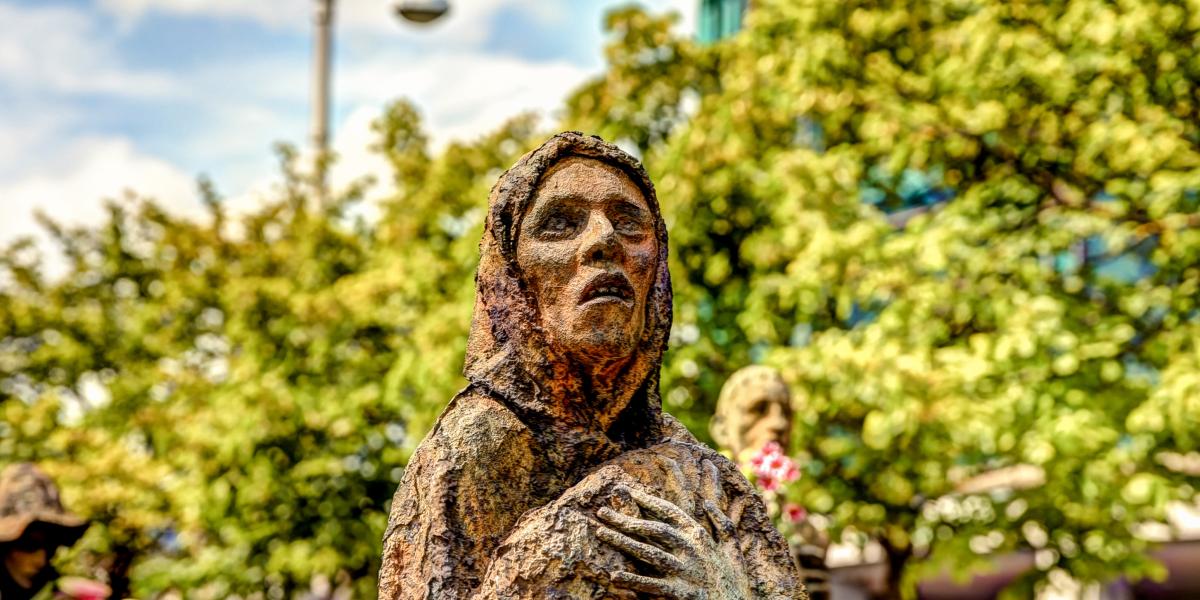
Ever felt like you’re watching life from the outside, never quite fitting into the neat little boxes everyone else seems to occupy so effortlessly?
Growing up, I spent countless hours wondering why I couldn’t just blend in. While other kids seemed to navigate social situations with ease, I felt like I was constantly translating between my inner world and the one everyone else inhabited.
It wasn’t until I dove deep into psychology research that I discovered something fascinating: That persistent feeling of being an outsider often signals the presence of rare qualities that most people simply don’t possess.
The research is pretty clear on this. Psychologists have found that those who feel like outsiders tend to develop unique perspectives and abilities that set them apart in meaningful ways.
These aren’t consolation prizes for not fitting in; they’re genuine strengths that emerge from seeing the world differently.
If you’ve always felt a bit apart from the crowd, you’re likely carrying these eight remarkable qualities that psychology says most people lack.
1) You see patterns others miss
Have you ever noticed how you pick up on subtle shifts in group dynamics that everyone else seems oblivious to?
This heightened pattern recognition is a hallmark of outsiders.
Research from social psychology shows that people who feel less integrated into groups develop what’s called “enhanced perceptual acuity.”
Basically, when you’re not automatically part of the in-crowd, your brain compensates by becoming incredibly good at reading situations and spotting connections.
I discovered this about myself during family gatherings after my parents’ divorce. While everyone else was caught up in conversation, I’d notice the tiny tensions, the unspoken alliances, the way certain topics made people shift in their seats.
At first, I thought everyone saw these things. Turns out, most people are too comfortable in their social roles to develop this kind of observational superpower.
This ability extends beyond social situations. Outsiders often excel in fields requiring pattern recognition, from scientific research to creative problem-solving.
Your brain, trained by years of careful observation, naturally spots trends and connections that others need specialized training to see.
2) Your empathy runs deeper than most
When you’ve felt misunderstood, you develop an almost supernatural ability to understand others.
Psychology research consistently shows that people who’ve experienced social exclusion develop stronger empathetic responses. It’s like your emotional radar gets upgraded.
You don’t just sympathize with others’ struggles; you feel them in your bones because you know what it’s like to be on the margins.
This isn’t the surface-level empathy of saying the right things at the right times. This is the kind that lets you sit with someone in their darkest moments without trying to fix everything. You understand that sometimes people just need to be seen and heard, not rescued.
3) You think critically about everything
“Why do we do things this way?” If this question constantly pops into your head, you’re exhibiting classic outsider thinking.
Social psychologists call this “cognitive flexibility,” and it emerges when you’re not deeply embedded in group think. While others accept social norms and conventions without question, outsiders naturally examine and challenge them.
This isn’t about being contrarian; it’s about genuinely seeing alternatives where others see inevitability.
I remember sitting in meetings early in my media career, watching everyone nod along to ideas that seemed fundamentally flawed.
At first, I thought I was missing something. But I learned that my outsider perspective was actually invaluable. I could spot the assumptions everyone else took for granted.
4) Your creativity flows from a different source
There’s a reason so many artists, writers, and innovators describe feeling like outsiders.
Research published in personality psychology journals shows that social outsiders score significantly higher on measures of creative thinking. When you don’t fit the mold, you naturally think outside it.
Your solutions come from unexpected angles because you’ve never been constrained by conventional thinking patterns.
This creativity isn’t limited to traditional arts. It shows up in how you solve problems, how you organize your life, how you approach relationships. You create your own playbook because the standard one never quite worked for you.
5) You’re comfortable with solitude in ways others aren’t
While others fear being alone with their thoughts, you’ve made friends with solitude.
This isn’t about being antisocial or not enjoying company. It’s about having developed a rich inner life that doesn’t require constant external validation.
Psychologists note that people who feel like outsiders often develop what’s called “autonomous self-concept,” meaning your sense of self doesn’t depend on group membership.
My long walks without podcasts or music would terrify many people. But for me, that quiet time is where my best thinking happens. It’s where I untangle complex ideas and make connections that would never emerge in the noise of constant interaction.
6) You adapt like a chameleon (but it costs you)
Here’s something most people don’t realize: Outsiders become master adapters.
You’ve learned to read rooms quickly and adjust your behavior accordingly. Psychology research calls this “self-monitoring,” and outsiders tend to score extremely high on this trait. You can shift between different social contexts with an ease that would exhaust others.
But this superpower comes with a price. The constant adaptation can be draining. You might find yourself wondering who you really are beneath all the masks.
I spent years thinking my ability to blend in when needed meant I wasn’t really an outsider. Then I realized the very fact that it required such effort proved I was.
7) Your resilience runs deeper than surface tough
When you’ve never quite fit in, you develop a particular kind of strength.
This isn’t the loud, obvious resilience of overcoming dramatic challenges. It’s the quiet strength of showing up day after day in spaces where you don’t naturally belong.
Psychologists studying resilience have found that chronic outsiders develop what they call “everyday resilience,” a sustained ability to navigate discomfort that most people never need to develop.
You’ve learned to find your footing even when the ground keeps shifting. You’ve built an internal stability that doesn’t rely on external acceptance.
8) You question your worth (but shouldn’t)
Perhaps the most painful quality of feeling like an outsider is the persistent self-doubt.
You wonder if there’s something fundamentally wrong with you. Why can’t you just fit in like everyone else?
Psychology research shows this self-questioning is almost universal among outsiders. But here’s what the research also shows: This very tendency toward self-reflection often leads to greater self-awareness and personal growth than those who never question their place in the world.
The irony is that the qualities that make you feel different are often the ones the world desperately needs.
Final thoughts
If you’ve spent your life feeling like an outsider, you’re not broken. You’re not missing some essential piece that everyone else has. Instead, you’ve developed a set of rare and valuable qualities that emerge specifically from your unique position.
The world needs people who see patterns others miss, who think critically about accepted norms, who create from different sources. It needs the deep empaths, the comfortable-with-solitude thinkers, the questioners and adapters.
Your outsider perspective isn’t a burden to overcome. It’s a gift that’s been forged through years of seeing the world from a different angle. The key isn’t to try to fit in but to recognize the value in your unique viewpoint.
Next time you feel that familiar pang of not quite belonging, remember: You’re not lacking something others have. You possess something most others lack.