Add Silicon Canals to your Google News feed. 
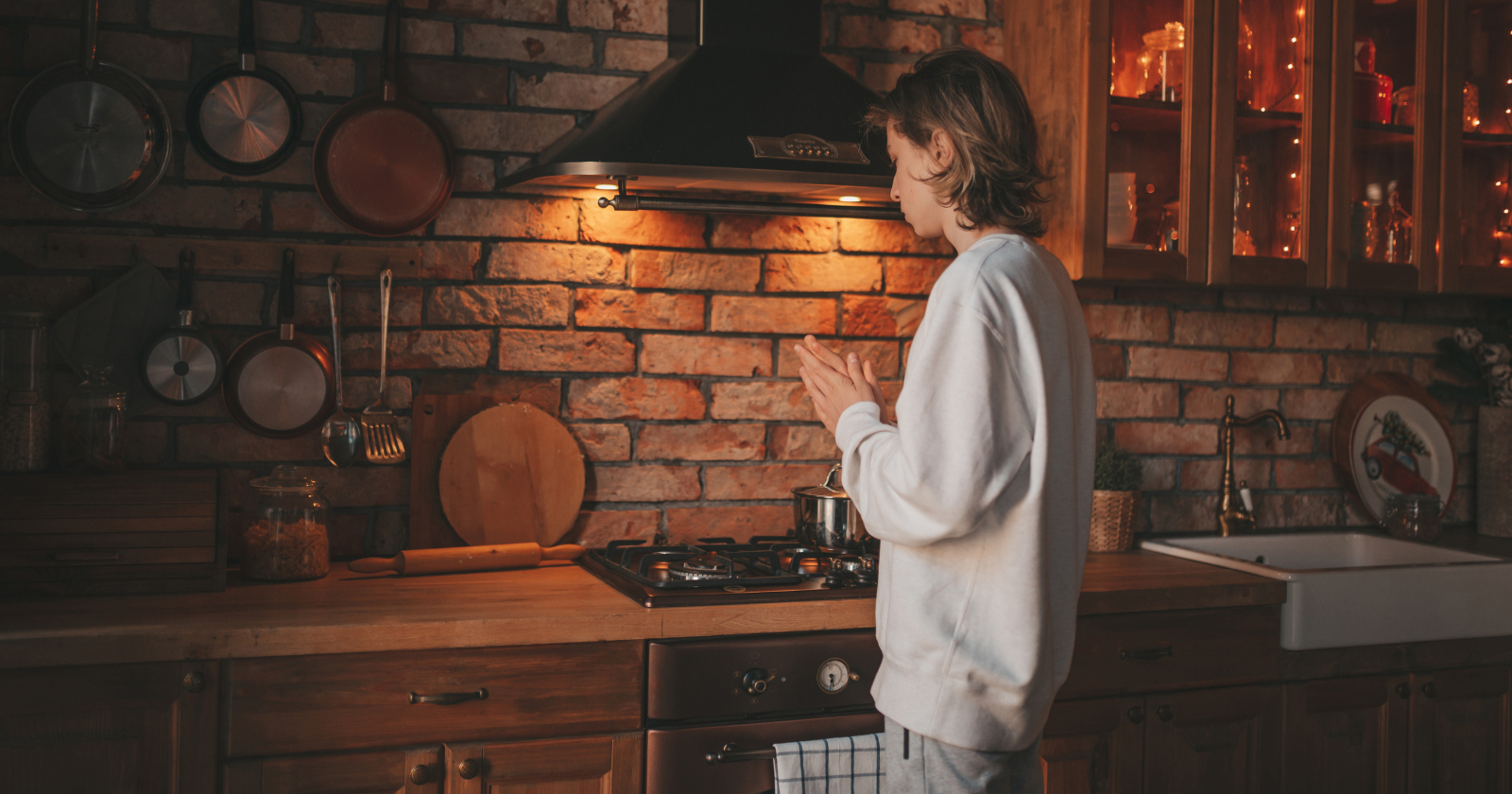
You know that moment when you’re halfway to work and suddenly wonder if you turned off the stove? Even though you haven’t cooked anything since yesterday’s dinner?
I do this all the time. Just last week, I actually turned my car around to check. The stove was off, of course. It always is. But that nagging feeling wouldn’t let me drive on without confirming.
If this sounds familiar, you’re not alone. And here’s what’s fascinating: this behavior might reveal something deeper about who you are and the role you’ve played in your family.
Growing up outside Manchester as the oldest kid in a working-class family, I was the one everyone looked to when things needed handling. The one who made sure doors were locked, lights were off, younger siblings had their homework done. First to university, first to navigate the professional world, first to figure things out so I could show others the way.
Sound exhausting? It was. But it also shaped who I became.
Psychology suggests that those of us who compulsively check things share specific traits with people who were the family’s designated “responsible one.” The person everyone counted on to make sure nothing went wrong.
Let’s explore what these traits are and why they stick with us long after we’ve left our childhood homes.
1) You have an overdeveloped sense of responsibility
Remember being told you were “mature for your age”? That wasn’t just a compliment. It was a burden wrapped in praise.
HowStuffWorks notes that “Firstborns often find themselves in a unique position. As the initial recipients of their parents’ undivided attention and affection, these children may develop a heightened sense of responsibility and a strong drive to excel.”
This rings true for me. When I started my own business, that overdeveloped sense of responsibility nearly broke me. Every client email felt urgent. Every decision carried the weight of potential catastrophe. I’d check my work three times, then check it again at 2 AM just to be sure.
The thing is, this trait serves us well in many ways. We’re reliable. People trust us. But it also means we carry weight that isn’t always ours to carry.
2) You’re a natural planner who thinks three steps ahead
While others live in the moment, you’re already mentally preparing for what could go wrong tomorrow. Or next week. Or three months from now.
This isn’t anxiety talking (well, not entirely). It’s a survival skill you developed early on. When you’re the one everyone depends on, you learn to anticipate problems before they happen.
I still do this constantly. Before leaving the house, I run through a mental checklist that would make a pilot jealous. Keys? Check. Phone? Check. All appliances off? Let me check again.
When friends make spontaneous plans, I’m the one asking about parking, weather forecasts, and backup options. They laugh, but guess who they call when things go sideways?
3) You struggle to delegate or trust others with important tasks
Here’s a painful truth: we check the stove because deep down, we don’t trust that things will be okay unless we personally verify them.
This extends far beyond household appliances. At work, you probably prefer doing tasks yourself rather than explaining them to someone else. “It’s faster if I just do it” becomes your mantra.
Running my solo business forced me to confront this head-on. I couldn’t scale because I couldn’t let go. Every task felt too important to hand off. The irony? This need for control often creates the very chaos we’re trying to prevent.
4) You’re highly conscientious and detail-oriented
Research from Springer Nature Link found that “Firstborns tend to internalize parental values and assume caregiving responsibilities, leading to higher conscientiousness compared to laterborns.”
This conscientiousness shows up everywhere. You’re the friend who remembers birthdays without Facebook reminders. The colleague who spots typos others miss. The family member who notices when something feels off, even when no one’s said anything.
These details matter to you because you learned early that small oversights can have big consequences. Forget to lock the door once, and suddenly you’re the reason something bad happened.
5) You have a complex relationship with perfectionism
Perfectionism isn’t just about wanting things to be perfect. It’s about preventing disaster through flawless execution.
When you were the responsible one, mistakes weren’t just personal failures. They affected everyone. So you learned to double-check, triple-check, and then check once more for good measure.
I see this in how I approach my work. A typo in an article feels like a moral failing. A missed deadline isn’t just unprofessional; it’s a betrayal of the trust people placed in me. The standards aren’t just high; they’re impossibly high.
6) You find it hard to fully relax
When was the last time you truly switched off? Not just physically stopped working, but mentally released yourself from responsibility?
For many of us, the answer is “I can’t remember.”
Even on vacation, you’re the one ensuring everyone has sunscreen, checking restaurant reviews, and keeping track of passports. Relaxation feels selfish when you’ve been programmed to believe your vigilance keeps everyone safe.
After years of running my business with this mindset, my body forced me to confront it. Irregular sleep, too much coffee, stress eating—my health deteriorated because I couldn’t turn off the mental responsibility switch.
7) You seek validation through being needed
Here’s an uncomfortable truth: part of us likes being the responsible one. It gives us purpose, identity, and a sense of control in an chaotic world.
Springer Nature Link observed that “Firstborns often strive to regain favor by displaying self-sacrificing, obedient, and conciliatory behaviors.”
We check the stove not just because we’re worried, but because being the checker, the protector, the responsible one is who we are. Take that away, and who would we be?
8) You carry guilt about things beyond your control
If something goes wrong—even if you had nothing to do with it—you feel responsible. You should have anticipated it, prevented it, done something different.
This guilt is the shadow side of responsibility. It whispers that you’re not doing enough, checking enough, worrying enough. It turns simple tasks like leaving the house into complex rituals of verification.
When my parents worried about me leaving corporate life to start my own thing, I felt guilty for causing them stress. Their worry became my responsibility, another thing to manage and check on.
The bottom line
That stove you keep checking? It’s not really about the stove. It’s about a role you played, maybe still play, as the person who keeps things from falling apart.
These traits aren’t all negative. They’ve probably helped you succeed in ways you don’t even recognize. But they can also exhaust you, isolate you, and prevent you from trusting life to unfold without your constant vigilance.
I’ve learned that recognizing these patterns is the first step to loosening their grip. Now, when I feel that familiar urge to check the stove for the third time, I pause. I acknowledge the responsible kid in me who’s just trying to keep everyone safe. And sometimes, just sometimes, I trust that everything will be okay without one more check.
The stove is off. You can leave now. Everything will be fine.