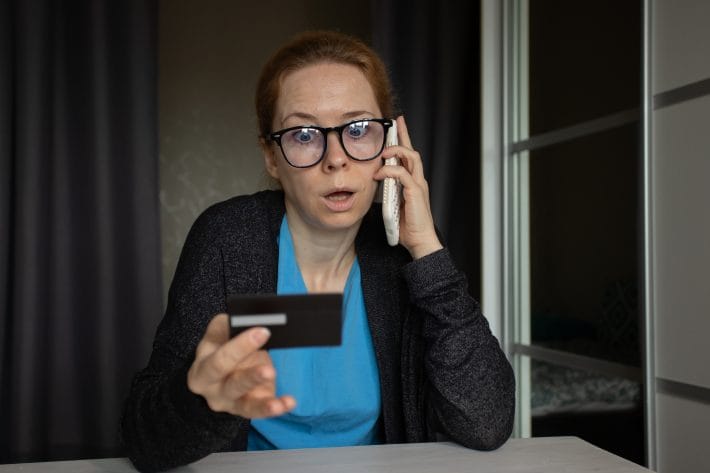
Seniors across the country are suddenly losing a benefit they’ve relied on for years — the $9.25 Lifeline phone discount — and many have no idea why it’s happening. The problem isn’t late paperwork, income changes, or missed deadlines. Instead, thousands are being flagged for something called a “duplicate household”, a bureaucratic label that can instantly strip away their only affordable phone option.
For seniors living with adult children, roommates, or in shared housing communities, this glitch is becoming a financial and emotional burden. Here’s what you need to know about how the trap works — and how to fix it.
What the “Duplicate Household” Flag Actually Means
The Lifeline program is designed to give one discount per household, but the system often misinterprets shared addresses as shared benefits. Many seniors living in multi-unit homes, basement apartments, or converted garages get flagged even when they maintain completely separate finances.
The system doesn’t always recognize that two people at the same address can still be separate households under Lifeline rules. When this happens, the senior receives a notice saying their benefit is being denied or removed due to duplication. The frustrating part is that the burden falls on the senior to prove they are not part of the same household.
Why Seniors in Shared Housing Are Hit the Hardest
More seniors are moving in with family or roommates to cope with rising housing and utility costs. These living arrangements are perfectly normal, but the Lifeline database often treats them as a single economic unit.
Seniors who rent a room or live in an in-law suite are especially vulnerable to being flagged. Even those in senior living communities or mobile home parks can be mistakenly grouped together. The result is that seniors who need the discount most are the ones most likely to lose it.
How the Loss of a $9.25 Discount Creates Bigger Problems
For seniors on fixed incomes, losing $9.25 a month isn’t just an inconvenience — it can disrupt essential communication. Many rely on Lifeline-supported phone plans to schedule medical appointments, refill prescriptions, and stay in touch with caregivers.
When the discount disappears, their monthly bill can jump unexpectedly, causing financial strain. Some seniors end up canceling service altogether because they can’t absorb the increase. Losing phone access can quickly snowball into missed appointments, isolation, and safety risks.
The Confusing Notices That Leave Seniors Without Answers
When seniors are flagged for duplication, the notices they receive are often vague and difficult to understand. Many letters simply state that another person at the address already receives Lifeline, without explaining how to fix the issue. Seniors may assume the decision is final and give up on the benefit entirely.
Others try calling their phone provider, only to be told the issue is “out of their hands.” This confusion leads to delays, missed deadlines, and unnecessary cancellations.
The Household Worksheet: The Key to Restoring Benefits
The most important tool for fixing a duplicate household issue is the Lifeline Household Worksheet. This form allows seniors to declare that they are financially independent from others living at the same address. Completing it correctly can immediately restore eligibility and prevent future flags.
Many seniors don’t know the worksheet exists because providers rarely explain it clearly. Submitting the worksheet is often the fastest way to reinstate the $9.25 Lifeline discount.
What Counts as a Separate Household Under Lifeline Rules
Lifeline defines a household based on shared income and expenses, not shared addresses. Seniors who buy their own groceries, pay their own bills, or maintain separate finances qualify as separate households. Even if they live with adult children, roommates, or other relatives, they can still receive the discount.
The key is demonstrating financial independence through the worksheet. Understanding this definition empowers seniors to challenge wrongful denials.
How to Avoid Being Flagged Again in the Future
Once a senior has been flagged once, it’s more likely to happen again unless they take preventive steps. Here’s what you need to do…
Keep a copy of the completed Household Worksheet to make future recertifications easier.Ensure their provider has their full unit number, apartment designation, or room identifier on file.Update address formatting to prevent the system from merging households incorrectly.
Phone companies often fail to explain the duplicate household problem because they rely on automated systems. Customer service representatives may not understand the rules themselves, leading to misinformation. Some providers simply tell seniors they are “ineligible” without offering solutions. This lack of guidance leaves seniors feeling powerless and confused. Knowing the real cause gives seniors the leverage they need to push back.
Steps Seniors Can Take Today to Protect Their Lifeline Discount
Seniors should start by checking whether their benefit has been flagged or removed. If they receive a duplicate household notice, they should immediately request or download the Household Worksheet. Completing and submitting the form can restore benefits quickly. Seniors should also confirm that their address includes any unit or room identifiers to avoid future flags. Taking these steps now can prevent unexpected service interruptions.
Protecting a Lifeline Benefit That Seniors Deserve
The “duplicate household” trap is a growing problem, but it’s one seniors can overcome with the right information. Understanding how the system works — and how to correct it — ensures that seniors don’t lose a benefit designed to keep them connected and safe. With rising costs and increasing reliance on shared housing, protecting the Lifeline discount is more important than ever.
Have you or someone you know been flagged for a “duplicate household” and lost your Lifeline discount? Share your experience in the comments — your story could help another senior avoid the same trap.
What to Read Next
The “Voice-Auth” Glitch: Why Saying “Yes” to Your Bank’s AI Could Freeze Your Account
Pharmacy Alert: The Heart Medication Switch Behind Many Sudden Side‑Effect Complaints
Hundreds of Thousands of Accounts Compromised — How Criminals Are Using This Data to Target Retirees
The Loneliness “Black Spot”: Why 40% of Expats Return Home Within 3 Years (And How to Avoid It)
5 Statements Seniors Say Are Harder to Understand Than Last Year

Amanda Blankenship is the Chief Editor for District Media. With a BA in journalism from Wingate University, she frequently writes for a handful of websites and loves to share her own personal finance story with others. When she isn’t typing away at her desk, she enjoys spending time with her daughter, son, husband, and dog. During her free time, you’re likely to find her with her nose in a book, hiking, or playing RPG video games.