As the heart of winter settles over the central United States, many residents are finding that the rules governing their heat and electricity have shifted. In several key Midwestern states, utility shutoff policy updates are reflecting a push for greater consumer protection and grid reliability. While these changes are designed to prevent tragedies during extreme weather, they often come with new requirements for payment plans and eligibility documentation. Whether you are in St. Louis, Chicago, or Minneapolis, staying informed about your state’s specific “Cold Weather Rule” is the best way to ensure your home remains a warm refuge through the first quarter of the year.
Missouri: The New 32-Degree Protection
One of the most significant shifts in utility shutoff policies occurred in Missouri with the passage of Senate Bill 4. Signed into law by Governor Mike Kehoe, the enhanced Cold Weather Rule now strictly prohibits the disconnection of heat-related service on any day when temperatures are predicted to drop 32 degrees below within the following 72-hour period. Previously, the threshold was often less protective, leaving many vulnerable during “borderline” freezing weather. Additionally, Missouri’s new rules allow seniors (age 65+) and disabled residents to register for additional notifications before any proposed shutoff, providing an extra layer of security for those on fixed incomes.
Illinois: Clean Energy and Grid Affordability
Illinois is currently in the midst of a massive regulatory transition following the passage of the Clean and Reliable Grid Affordability Act. While many of its provisions don’t officially take effect until June 1, 2026, the state has already begun implementing new utility shutoff policies to help families manage rising rates. Under current winter rules (effective through March 31), utilities cannot disconnect residential customers if the temperature is forecasted to be at or below 32 degrees. Furthermore, the Illinois Commerce Commission now requires that any delinquent customer be offered a Deferred Payment Agreement (DPA) with a maximum down payment of only 10%—a vital lifeline for those struggling with the state’s recent infrastructure fees.
Minnesota: Strengthening the Cold Weather Rule
In the “North Star State,” the Cold Weather Rule is a matter of life and death, and 2026 brings renewed focus on its enforcement. Running from October 1 through April 30, the Minnesota Public Utilities Commission reminds residents that utilities are prohibited from shutting off natural gas or electricity for customers who establish and maintain a payment plan. A key 2026 highlight for low-income households is that those earning at or below 50% of the state median income cannot be required to pay more than 10% of their monthly household income toward their heating bills. This income-based cap is designed to prevent the “debt spiral” that often occurs when winter bills outpace Social Security or disability checks.
Wisconsin: Proposed “Energy Burden” Relief
Wisconsin is seeing a push for even more aggressive utility shutoff policies through new legislative proposals like Senate Bill 780. While the state already has a moratorium on winter disconnections from November 1 to April 15, the new bill seeks to prohibit shutoffs year-round for “severely energy burdened” households—defined as those spending 4% or more of their annual income on utilities. Even without this new law, Wisconsin residents who are wrongly disconnected can now petition the PSC for an emergency reconnection within three days. This move signals a broader Midwestern trend toward viewing utility access as a fundamental right rather than a simple commercial service.
Michigan: Senior-Specific Winter Protection
Michigan’s Winter Protection Plan (WPP) continues to be a model for the region, specifically targeting seniors aged 65 and older. Regardless of income, Michigan seniors are protected from service disconnection during the heating season (November 1 – March 31). However, the 2026 policy emphasizes that while you won’t be shut off, you are still responsible for the debt. To avoid a “bill shock” in April, many Michigan utilities are now auto-enrolling seniors into 12-month budget payment plans, spreading the winter costs across the milder summer months to keep monthly payments predictable.
Staying Protected in 2026
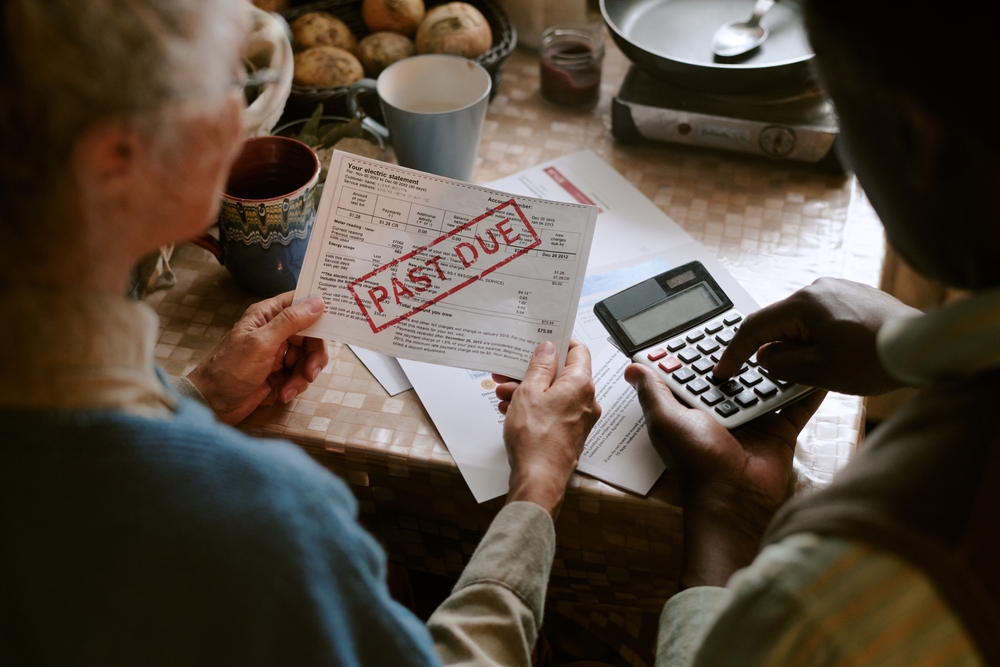
While these utility shutoff policies provide a robust safety net, they are not automatic. In almost every state, the burden is on the consumer to contact the utility company and declare their “inability to pay” or their “senior status.” If you receive a shutoff notice, do not wait; calling your utility immediately to set up a payment plan is often the only way to trigger these legal protections. In 2026, the best defense against a cold home is a proactive phone call and a clear understanding of the new laws designed to keep your family safe.
Has your state changed its utility rules this winter, or are you struggling to navigate a new payment plan? Leave a comment below and let’s share resources for keeping the heat on in 2026.
You May Also Like…
Rising Winter Utility Surcharges Are Overwhelming Retirees in Northern States
New Utility Meter Installations Are Causing Billing Errors for Seniors
Why Isn’t Your Utility Company Telling You About Senior Rebates
7 Utility Rebates for Seniors That Expire Soon
Nevada Homeowners Are Seeing New Utility Deposit Requirements