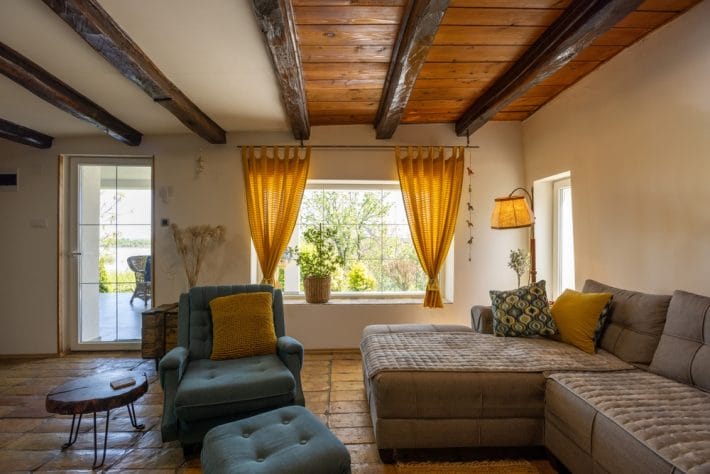
The housing market is experiencing a slowdown driven by higher mortgage rates, inflation, and cautious buyers. Home sales have declined across many regions, and price growth has moderated compared to previous years. For baby boomers planning to downsize, the slowdown creates uncertainty about timing and value. Selling a larger home is no longer guaranteed to produce quick offers or high returns. The slowdown reflects broader economic conditions that directly affect retirement strategies.
Boomers Reconsidering Downsizing Timelines
Many boomers had planned to downsize in retirement, selling larger homes to move into smaller, more manageable properties. The slowdown is forcing them to reconsider timelines. Some are delaying sales in hopes of better market conditions, while others are adjusting expectations about proceeds.
“We’ve never had a population pyramid that looks like this,” Arick Morton, chief executive of NIC MAP, stated. “The senior housing industry would need to develop twice as many units as it has ever developed in any single calendar year every year to keep up.” As a result, many seniors are delaying downsizing (or choosing not to altogether).
Lower Offers and Longer Listing Times
One of the clearest signs of the housing slowdown is the shift in seller expectations. Many boomers who anticipated quick bidding wars are now encountering fewer buyers and extended negotiations. Homeowners are finding that listings can linger for months, sometimes requiring multiple price cuts before attracting serious interest.
This drawn-out process reduces leverage for sellers and can derail retirement plans that depend on timely equity from home sales. Seniors must be prepared for slower transactions, tempered offers, and the need to adjust financial strategies to reflect today’s more cautious market.
Rising Costs of Smaller Homes
Ironically, downsizing does not always mean saving money. Smaller homes, condos, and retirement communities remain in high demand, keeping prices elevated. Boomers may discover that selling a larger home yields less profit than anticipated, while buying a smaller property costs more than expected.
Rising costs of downsized housing complicate financial planning. Seniors must carefully compare sale proceeds with purchase costs to avoid budget shortfalls.
Regional Differences in Market Conditions
The housing market slowdown is not uniform across the country. Some regions continue to see strong demand, while others experience sharp declines. Boomers must pay attention to local conditions when planning downsizing moves. Selling in a weak market while buying in a strong one can create financial imbalances. Regional differences highlight the importance of research and timing in downsizing decisions.
The Role of Mortgage Rates
Mortgage rates are a key factor in the slowdown. Higher rates reduce affordability for buyers, shrinking the pool of potential purchasers. Boomers selling homes must contend with buyers who are hesitant or unable to finance purchases. At the same time, boomers buying smaller homes may face higher borrowing costs themselves. Mortgage rates influence both sides of the downsizing equation.
The Complexities of Downsizing
The housing market slowdown is reshaping downsizing plans for boomers. Lower offers, rising costs of smaller homes, regional differences, and emotional considerations all complicate decisions. The bigger picture is clear: downsizing is no longer a straightforward strategy but a complex process influenced by economic and personal factors. Boomers must adapt by researching markets, adjusting expectations, and exploring alternatives.
Are you or someone you know rethinking downsizing because of the housing market slowdown? Leave a comment below to share your perspective — your experience could help others facing similar decisions.
You May Also Like…
The Emotional Strain of Downsizing After a Lifetime of Memories
8 Hidden Fees When Downsizing From a House to a Condo
What’s the Hidden Cost of Downsizing Too Early in Retirement?
What’s the Real Cost of Downsizing Your Home in Retirement?
Why No One Warns You About the Loneliness of Downsizing