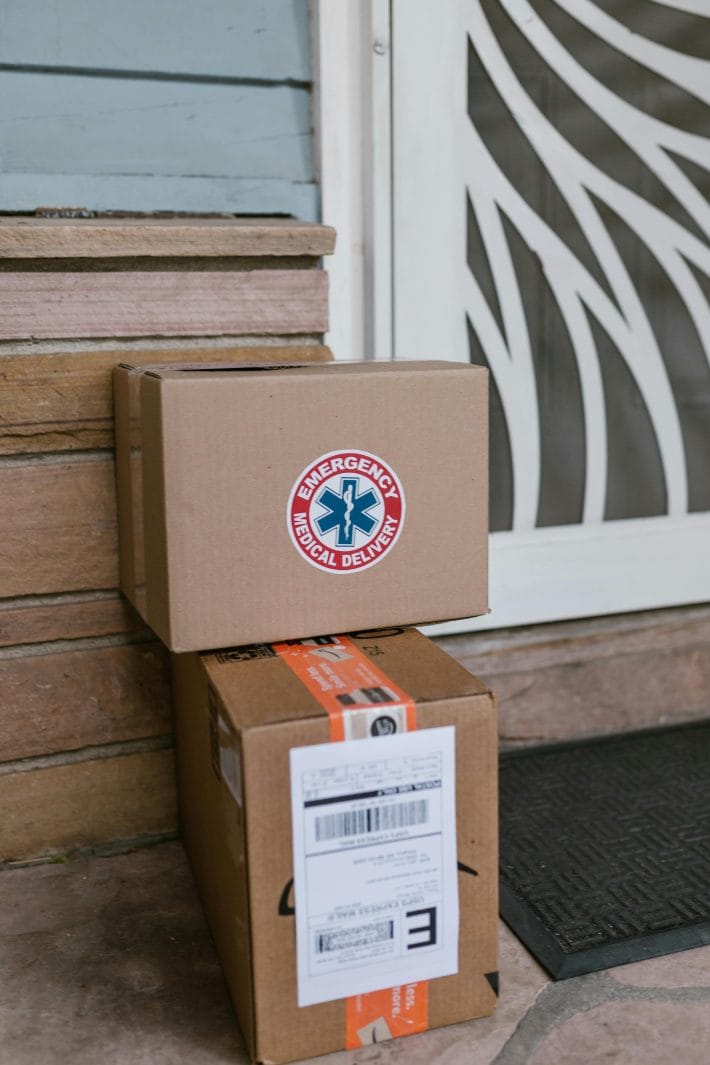
Mail-order pharmacies promise convenience, lower costs, and fewer trips to the store, but for many seniors, they may also come with hidden risks. Doctors and pharmacists are increasingly raising concerns about medication errors, delayed shipments, and even patients receiving the wrong prescriptions. For older adults managing multiple medications, even a small mistake can have serious consequences. In fact, research shows medication errors are already more common in seniors due to complex prescriptions and communication gaps. Add in mail delivery systems and automation, and the risks can quietly grow. Here’s what’s really happening and how to protect yourself.
Medication Errors Are Already Higher in Seniors
Older adults are more vulnerable to medication mistakes than any other age group. Studies show seniors experience drug errors at significantly higher rates due to multiple prescriptions and health conditions.
Polypharmacy (taking several medications at once) greatly increases the chances of confusion or interaction issues. Even without mail-order systems, managing medications can already be challenging. As mentioned above, adding another layer of delivery and processing can increase the risk of something going wrong.
Wrong Medications and Delays Are Real Risks
There have been documented cases of mail-order pharmacies sending incorrect medications or failing to deliver critical prescriptions on time. In some reports, patients received drugs they were no longer prescribed or missed essential medications entirely. Delays can be especially dangerous for seniors managing conditions like heart disease or diabetes. Unlike local pharmacies, fixing an error can take days or even weeks. That delay can turn a simple mistake into a serious health issue.
Automatic Refills Can Lead to Dangerous Confusion
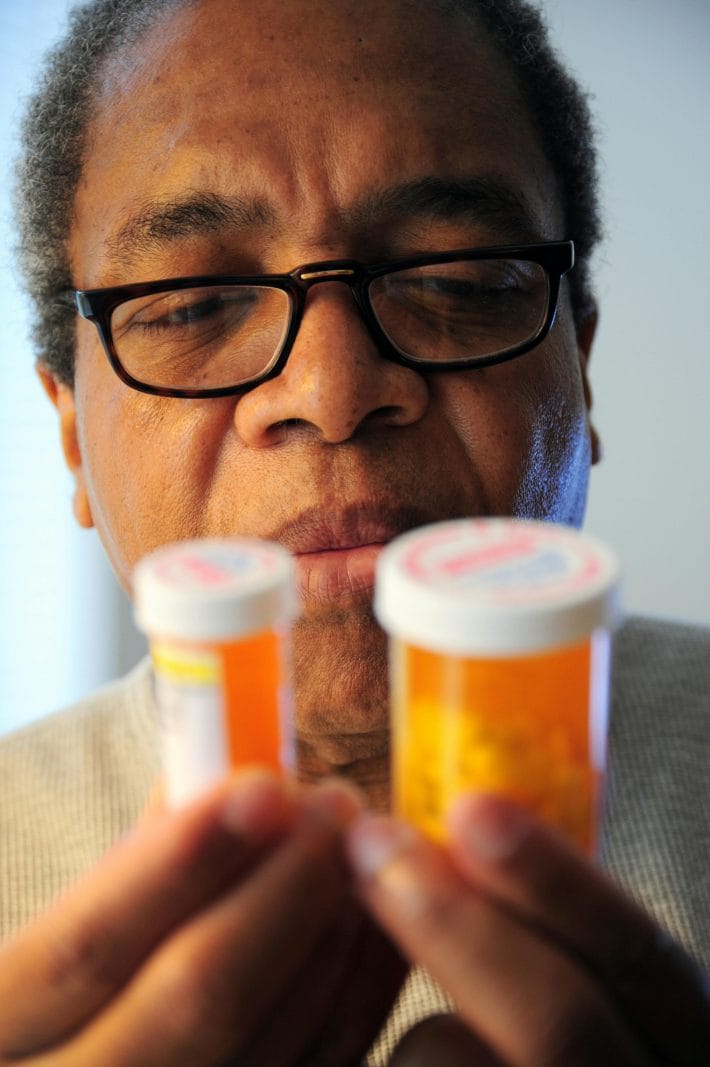
Many mail-order pharmacies use automatic refill systems to improve “adherence.” While that sounds helpful, it can lead to seniors receiving medications they no longer need. In fact, one analysis found billions of dollars in excess medications were sent to patients, especially through mail-order services. These extra pills can pile up, increasing the risk of taking the wrong drug or incorrect dosage, which can be especially dangerous for seniors with memory or vision issues.
Lack of Face-to-Face Interaction Increases Risk
One major drawback of mail-order pharmacies is the absence of in-person pharmacist interaction. At a local pharmacy, you can ask questions, confirm medications, and catch errors immediately. Without that direct contact, mistakes are more likely to go unnoticed. Experts emphasize that clear communication is key to preventing medication errors. When that communication is reduced to phone calls or online portals, important details can slip through the cracks.
Packaging and Labeling Can Cause Mix-Ups
Mail-order prescriptions often arrive in bulk packaging, which can be confusing for seniors. Some medications may look similar, especially generic versions with different colors or shapes. Sometimes patients take the wrong medication due to look-alike packaging. Without a pharmacist physically reviewing the medication with you, these mix-ups are easier to miss. This is especially risky for those taking multiple daily prescriptions.
Shipping Conditions Can Affect Medication Quality
On top of all of that, not all medications handle shipping well, especially those requiring temperature control. Delays or improper packaging can reduce a drug’s effectiveness or even make it unsafe. Mail delivery disruptions have already raised concerns about timely and safe medication access. For medications like insulin or certain biologics, temperature changes can be critical.
When you pick up medication in person, errors are often caught immediately. With mail-order systems, mistakes may not be discovered until days later. By that time, you may have already taken the wrong medication or missed doses. Medication errors can lead to adverse health events in some cases. The delay in detection makes these errors more dangerous than they initially seem.
Don’t Trade Convenience for Safety
There are several ways you can reduce your risk when it comes to getting your prescriptions delivered.
Always review every medication as soon as it arrives, checking labels, dosages, and instructions carefully.
Keep an updated list of your prescriptions and compare it with what you receive.
Consider using a local pharmacy for critical medications or when changes occur.
Don’t hesitate to call your doctor or pharmacist if something doesn’t look right.
Mail-order pharmacies can be helpful, but they’re not risk-free. The convenience must be balanced with careful attention and oversight. Medication errors, delays, and confusion can have serious consequences if left unchecked. When it comes to your health, double-checking is always worth the effort.
Have you ever had an issue with a mail-order pharmacy, or do you prefer picking up prescriptions in person? Share your experience below.
What to Read Next
Pharmacists Warn: Mixing These 5 Common Prescriptions Can Trigger Memory Loss in Older Adults
The Pharmacy Ghost: How Scammers are Using Your Medicare Account to Fill ‘Phantom’ Prescriptions
The Charlotte Pharmacy Secret: How a ‘Cash Price’ Can Sometimes Be 50% Cheaper Than Your Insurance Copay
Pharmacy Alert: The Heart Medication Switch Behind Many Sudden Side‑Effect Complaints
7 Pharmacy Pickup Rules That Changed Without Counter Notices