If you checked your bank balance this morning and noticed it was lower than expected, the culprit might be hiding in your utility statement. As of this week, millions of seniors across the country are opening their first electric bills of 2026 to find a jarring new line item: the Infrastructure Modernization Fee (IMF).
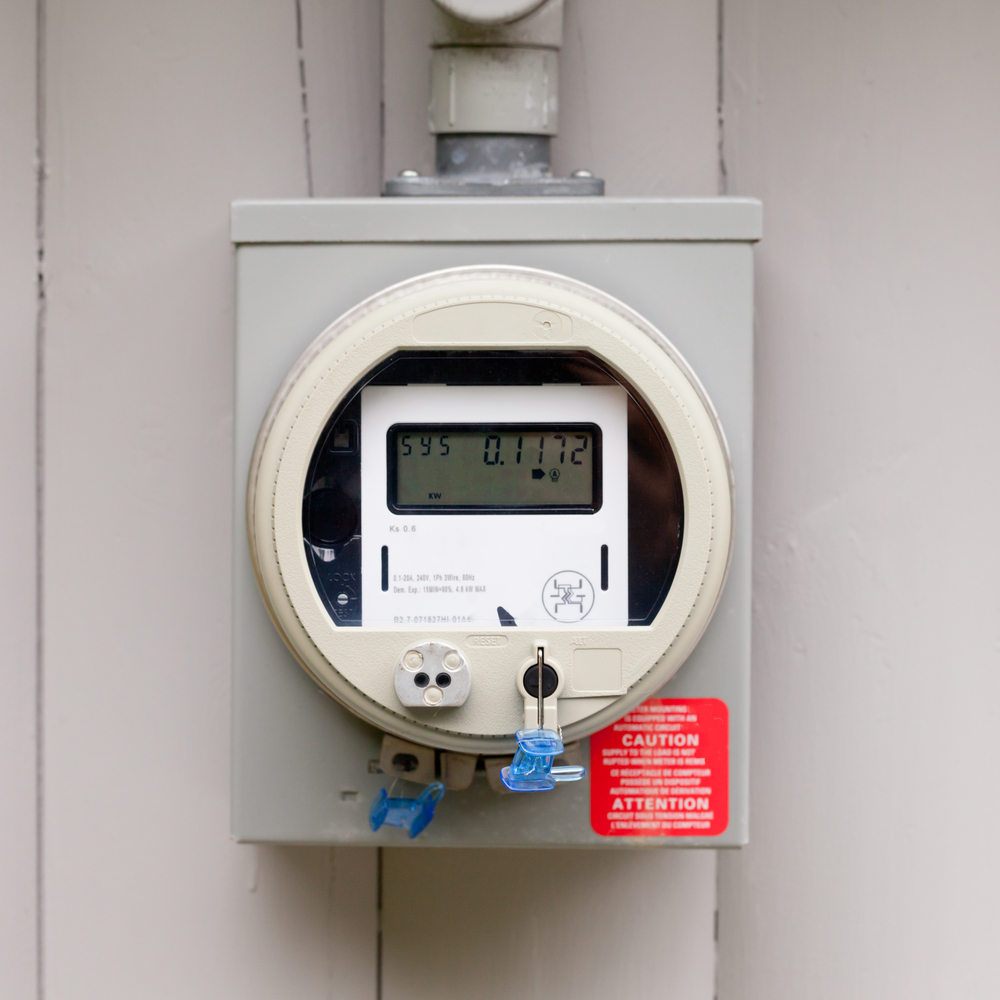
This isn’t a charge for the power you actually used; it is a fixed “stealth tax” ranging from $15 to $45 per month. Whether you kept your lights off all week or ran the heater 24/7, this fee remains the same. Utility companies are rolling out these charges to fund a massive, multi-billion-dollar overhaul of the aging power grid and the installation of new “Smart Meters.” For a household on a fixed income, this unexpected $45 surcharge is more than just a nuisance—it’s a direct threat to your monthly grocery and medicine budget.
The Financial Defense: 2025 vs. 2026
To understand why your bill feels so heavy this week, you have to look at how the “fixed” portion of your utility costs has fundamentally changed. In 2025, most “delivery” fees were tied to your usage. In 2026, utilities have shifted the burden to flat-rate fees that you cannot “conserve” your way out of.
Utility Billing Feature
2025 (Old Standards)
2026 (New Reality)
Infrastructure Fee (IMF)
$0.00 – $5.00
$15.00 – $45.00
Smart Meter Surcharge
Often Hidden/Subsidized
Mandatory “Technology Recovery”
Grid Hardening Cost
Usage-Based
Fixed Monthly Line Item
Ability to Lower Bill
High (through conservation)
Low (due to fixed fees)
Why The ‘Smart Meter’ Isn’t Free
For years, utility companies pitched smart meters as a “free” upgrade that would help you save money by tracking your usage in real-time. However, the 2026 reality is quite different. In states like Missouri, Pennsylvania, and California, the record-high $15–$45 Infrastructure Modernization Fee is being used to pay for the hardware, installation, and the specialized “quants” and computer scientists hired to manage the data.
Furthermore, these meters are now being used to implement Time-of-Use (TOU) pricing. This means that if you perform daily tasks like laundry or vacuuming during “peak” afternoon hours, your bill is hit twice: once by the fixed IMF fee and again by premium electricity rates. For seniors who are home during the day, this combination can lead to an additional 12% increase in winter heating costs compared to just one year ago.
The ‘Data Center’ Squeeze
Why is the grid modernization so expensive all of a sudden? A primary driver is the explosion of AI data centers. These facilities require massive amounts of power, straining local grids that were built in the 1950s. While tech giants are driving the demand, residential customers are often shouldering the “grid-hardening” costs through these modernization fees. Your $45 “stealth tax” is essentially a subsidy for the digital infrastructure of the future.
Your #1 Defensive Task: Check Your ‘Annual Notice of Change’
You cannot simply refuse to pay your utility bill, but you can fight for the income you need to cover it. Your first defensive action this week is to locate your ‘Annual Notice of Change’ (ANOC) from your utility provider and your insurance carriers.
If these new “Grid Fees” and inflation have caused your expenses to outpace your 2024 income levels, you have a powerful tool at your disposal.
Protective Action: If your income has dropped due to retirement, or if your fixed expenses have skyrocketed, you may be eligible to lower your other federal costs. Specifically, you should consider filing Form SSA-44 if you are also facing Medicare premium hikes. While Form SSA-44 is primarily for Medicare, it is the gold standard for proving to federal agencies that your financial situation has changed significantly since your last tax return. Proving a “work stoppage” or “loss of income” can trigger a cascade of secondary benefits, including eligibility for utility assistance programs like LIHEAP.
Additionally, call your utility company and ask these three questions:
“Am I being charged a ‘Smart Meter Opt-Out’ fee or a technology recovery fee?”
“Is there a ‘Senior Credit’ available to offset the new Infrastructure Modernization Fee?”
“Can I move to a ‘Flat Rate’ plan to avoid the Time-of-Use surcharges triggered by my new meter?”
Reclaiming Your Financial Power
The $45 stealth tax hitting your bill this week is a reminder that in 2026, being “frugal” isn’t enough. You have to be a “financial detective.” Utility companies rely on the fact that most customers only look at the “Total Due” and ignore the fine print of the delivery charges.
By identifying the Infrastructure Modernization Fee on your statement and taking proactive steps like checking your ANOC or appealing your income bracket with Form SSA-44, you are putting a shield around your retirement savings. Don’t let a “Smart Meter” outsmart your budget this January.
You May Also Like…
Utility Companies Are Adding “Infrastructure Fees” to Senior Bills This Winter
Some Utility Providers Are Changing Payment Dates Without Notice
New Utility Meter Installations Are Causing Billing Errors for Seniors
Utility Providers in Kansas City Are Rolling Out Mid‑Winter Rate Reviews
7 Utility Rebates for Seniors That Expire Soon