No Result
View All Result
  • Login
Wednesday, February 4, 2026
FeeOnlyNews.com
  • Home
  • Business
  • Financial Planning
  • Personal Finance
  • Investing
  • Money
  • Economy
  • Markets
  • Stocks
  • Trading
  • Home
  • Business
  • Financial Planning
  • Personal Finance
  • Investing
  • Money
  • Economy
  • Markets
  • Stocks
  • Trading
No Result
View All Result
FeeOnlyNews.com
No Result
View All Result
Home Money

Could Aging In Place Make You Ineligible for Emergency Aid?

by FeeOnlyNews.com
6 months ago
in Money
Reading Time: 5 mins read
A A
0
Could Aging In Place Make You Ineligible for Emergency Aid?
Share on FacebookShare on TwitterShare on LInkedIn


Image source: Unsplash

For many seniors, the dream is to age in place—remaining in a familiar home surrounded by community ties, memories, and independence. It’s a lifestyle choice that offers comfort and continuity, allowing you to avoid the stress of relocating to assisted living or senior housing.

But while aging in place feels like the safest, most stable option, it can come with hidden consequences, especially when it comes to qualifying for certain types of emergency aid or disaster assistance. Some seniors are surprised to learn that their decision to remain in their own homes may inadvertently make them ineligible for the help they need in a crisis.

Understanding how and why this happens can mean the difference between quickly receiving life-saving assistance and facing unexpected delays or denials.

The Hidden Rules of Emergency Aid

Emergency aid programs—whether offered by FEMA, state governments, nonprofits, or local agencies—operate under strict eligibility guidelines. These rules are meant to prioritize those considered most vulnerable or displaced, but they can unintentionally leave some seniors behind.

If you own your home outright or have significant equity, you may be considered “too financially stable” to qualify for certain assistance, even if you have limited cash flow. Aid programs often evaluate assets differently than ongoing income, which means your home’s value could work against you.

Additionally, some relief programs are designed specifically for renters or those in temporary housing. Seniors who remain in their homes may not fit the criteria, even if that home is damaged or unsafe after an emergency.

When Staying Home Becomes a Disadvantage

In disaster situations—such as hurricanes, wildfires, or floods—aid organizations often prioritize individuals who are displaced or completely without shelter. If your home is partially livable, you may be told you don’t qualify for temporary housing assistance, even if repairs are beyond your budget.

Similarly, utility assistance programs sometimes exclude homeowners if the expectation is that you can finance repairs or catch up on bills by leveraging your property’s equity. In reality, tapping into that equity may require lengthy loan processes that aren’t practical in a crisis.

The irony is that seniors who choose to age in place to maintain independence can find themselves without the safety net that’s available to others in rental housing or institutional care.

Asset-Based Disqualification

One of the biggest challenges aging-in-place homeowners face is asset-based disqualification. Many aid programs measure financial need based not just on income but on the total value of assets—including your home.

Even if you’re “house rich, cash poor,” your property value might put you over aid thresholds. This could impact:

Disaster relief grants for home repairUtility shut-off prevention programsEmergency heating or cooling assistanceMedical transport or relocation support during disasters

Programs may argue that you can use your property as collateral or sell it to access funds—options that aren’t realistic during a crisis or for seniors who want to remain in their homes.

The Overlooked Risk of Isolation

Another often-overlooked factor is geographic isolation. Seniors who live in single-family homes, particularly in rural areas, may have less access to emergency aid simply because resources are concentrated in more populated areas or communal housing facilities.

During mass emergencies, relief workers and aid distribution centers are typically located in central hubs. Seniors aging in place may face transportation barriers or be overlooked entirely if they’re outside main service zones. This can delay essential assistance, including medical care, food supplies, and safety checks.

Homeownership and Disaster Insurance Gaps

Aging in place also brings the responsibility of maintaining adequate insurance coverage. Without the right policies, you may find that your home is underinsured or not covered for certain disasters. In these cases, emergency aid programs may be unwilling to step in, assuming the insurance should cover losses.

Unfortunately, many seniors discover these gaps only after an emergency strikes. For example, a homeowner might not realize flood damage isn’t covered under standard policies until FEMA aid is denied on the basis that insurance should have handled it.

How to Protect Yourself While Aging In Place

The good news is that with proactive planning, you can enjoy the benefits of aging in place without accidentally excluding yourself from essential aid. Consider the following steps:

Understand eligibility rules in advance for local, state, and federal emergency programs.Review your insurance coverage to ensure it includes disaster-specific protection relevant to your region.Keep documentation handy, including proof of income, medical needs, and homeownership details, so you can apply quickly when aid opens.Explore local assistance networks, such as neighborhood emergency response teams or senior-specific disaster preparedness programs.Have a backup housing plan, even if temporary, in case staying in your home disqualifies you from certain benefits.

Balancing Independence With Safety Nets

Aging in place doesn’t have to mean forfeiting access to emergency assistance—it just requires awareness and preparation. By understanding how aid programs assess need, you can take steps to avoid disqualification and ensure help is available when you need it most.

It’s about striking a balance: maintaining the independence and comfort of your own home while having the safety nets in place to protect your health, finances, and security during a crisis.

Comfort Now or Security Later?

The choice to age in place is deeply personal and often driven by emotional as well as practical factors. But decisions about where you live in your later years have ripple effects, especially in emergencies.

By learning the rules now, you can make informed choices that preserve both your independence and your eligibility for help. Because while home is where the heart is, it’s also where preparation can mean the difference between resilience and vulnerability.

If you were faced with an emergency tomorrow, do you know whether aging in place would help or hurt your chances of getting aid?

Read More:

8 Side Effects of Aging That No One Prepares You For

6 Unexpected Costs of Aging in Place No One Prepares You For

Riley Jones

Riley Jones is an Arizona native with over nine years of writing experience. From personal finance to travel to digital marketing to pop culture, she’s written about everything under the sun. When she’s not writing, she’s spending her time outside, reading, or cuddling with her two corgis.




Source link

Tags: agingaidEmergencyineligibleplace
ShareTweetShare
Previous Post

Etatism, Protectionism, and the Demand for Lebensraum

Next Post

10 Everyday Purchases Retirees Are Wasting Money On, Now Free Under Medicare

Related Posts

9 Reasons More Than Half of Americans Are Terrified of Their Emergency Savings

9 Reasons More Than Half of Americans Are Terrified of Their Emergency Savings

by FeeOnlyNews.com
February 3, 2026
0

Emergency funds sound comforting in theory, but they can feel scary in real life. Many people look at their emergency...

6 Shared Expense Arrangements That Rarely Stay Fair

6 Shared Expense Arrangements That Rarely Stay Fair

by FeeOnlyNews.com
February 3, 2026
0

Splitting costs with someone else sounds simple until real life starts shifting under your feet. One person gets a raise,...

As a CPA, I Thought I Knew Social Security — Until I Retired. Here Are 5 Costly Blunders Even the Experts Make.

As a CPA, I Thought I Knew Social Security — Until I Retired. Here Are 5 Costly Blunders Even the Experts Make.

by FeeOnlyNews.com
February 3, 2026
0

I’m a CPA and personal finance writer with more than 30 years of experience, which includes writing dozens of articles...

6 Estate Planning Shortcuts That Backfire During Health Crises

6 Estate Planning Shortcuts That Backfire During Health Crises

by FeeOnlyNews.com
February 3, 2026
0

Estate planning is often sold as a way to handle death, but its most critical function is actually handling life—specifically,...

The “Stealth Tax” That’s Quietly Saving Social Security (and Costing You Thousands)

The “Stealth Tax” That’s Quietly Saving Social Security (and Costing You Thousands)

by FeeOnlyNews.com
February 3, 2026
0

While politicians love to get in front of cameras and argue about “saving” Social Security, there’s a quiet machine running...

6 Meter Changes That Alter Monthly Calculations

6 Meter Changes That Alter Monthly Calculations

by FeeOnlyNews.com
February 3, 2026
0

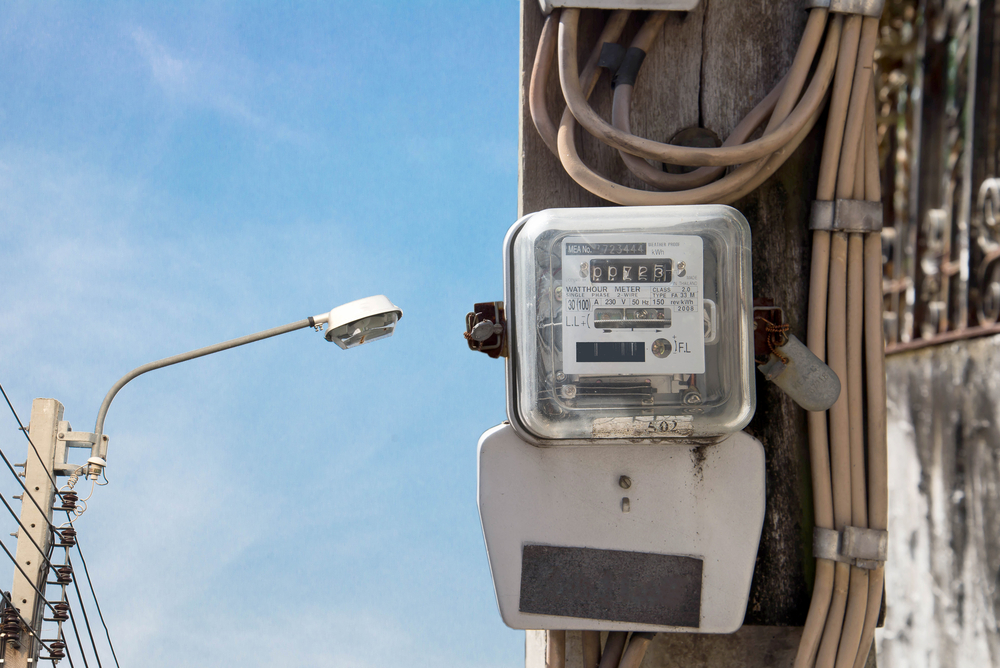
For decades, the relationship between a homeowner and the utility company was simple: a spinning metal disc on the side...

Next Post
10 Everyday Purchases Retirees Are Wasting Money On, Now Free Under Medicare

10 Everyday Purchases Retirees Are Wasting Money On, Now Free Under Medicare

Peter Thiel Backed Exchange Debuts On NYSE

Peter Thiel Backed Exchange Debuts On NYSE

  • Trending
  • Comments
  • Latest
Self-driving startup Waabi raises up to  billion, partners with Uber to deploy 25,000 robotaxis

Self-driving startup Waabi raises up to $1 billion, partners with Uber to deploy 25,000 robotaxis

January 28, 2026
Student Beans made him a millionaire, a heart condition made this millennial founder rethink life

Student Beans made him a millionaire, a heart condition made this millennial founder rethink life

December 11, 2025
Sellers Are Accepting Even Less

Sellers Are Accepting Even Less

January 23, 2026
Episode 242. “Our couples therapist couldn’t fix this. Please help.”

Episode 242. “Our couples therapist couldn’t fix this. Please help.”

January 6, 2026
US SEC Issues Key Crypto Custody Guidelines For Broker-Dealers

US SEC Issues Key Crypto Custody Guidelines For Broker-Dealers

December 19, 2025
How to sell a minority stake in RIA M&A

How to sell a minority stake in RIA M&A

November 11, 2025
Adam Smith Misunderstood the Origins of the Division of Labor

Adam Smith Misunderstood the Origins of the Division of Labor

0
‘You Probably Don’t Want To Go Buy A House,’ Says Best-Selling Author JL Collins—Even As Homeownership Remains The ‘American Dream’

‘You Probably Don’t Want To Go Buy A House,’ Says Best-Selling Author JL Collins—Even As Homeownership Remains The ‘American Dream’

0
Consumer Backlash Leads PepsiCo to Slash Snack Prices by 15%, but Will You See the Savings?

Consumer Backlash Leads PepsiCo to Slash Snack Prices by 15%, but Will You See the Savings?

0
Binance completes second batch of Bitcoin conversion, acquires 0M in BTC

Binance completes second batch of Bitcoin conversion, acquires $100M in BTC

0
5 Best Small-Business Loans in 2026

5 Best Small-Business Loans in 2026

0
Silver & gold ETFs rally up to 9% as bullion boom continues. Should you invest now?

Silver & gold ETFs rally up to 9% as bullion boom continues. Should you invest now?

0
Binance completes second batch of Bitcoin conversion, acquires 0M in BTC

Binance completes second batch of Bitcoin conversion, acquires $100M in BTC

February 4, 2026
Silver & gold ETFs rally up to 9% as bullion boom continues. Should you invest now?

Silver & gold ETFs rally up to 9% as bullion boom continues. Should you invest now?

February 4, 2026
XRP Open Interest Falls to Lowest Level Since 2024: Market Reset Or Warning Signal?

XRP Open Interest Falls to Lowest Level Since 2024: Market Reset Or Warning Signal?

February 4, 2026
Clorox outlines 0–1% category growth target and innovation-led recovery as ERP transition ends (NYSE:CLX)

Clorox outlines 0–1% category growth target and innovation-led recovery as ERP transition ends (NYSE:CLX)

February 3, 2026
Sun shines on Waaree Energies as tariff clouds clear

Sun shines on Waaree Energies as tariff clouds clear

February 3, 2026
China set to attend India’s upcoming AI summit signaling improving relations with New Delhi

China set to attend India’s upcoming AI summit signaling improving relations with New Delhi

February 3, 2026
FeeOnlyNews.com

Get the latest news and follow the coverage of Business & Financial News, Stock Market Updates, Analysis, and more from the trusted sources.

CATEGORIES

  • Business
  • Cryptocurrency
  • Economy
  • Financial Planning
  • Investing
  • Market Analysis
  • Markets
  • Money
  • Personal Finance
  • Startups
  • Stock Market
  • Trading

LATEST UPDATES

  • Binance completes second batch of Bitcoin conversion, acquires $100M in BTC
  • Silver & gold ETFs rally up to 9% as bullion boom continues. Should you invest now?
  • XRP Open Interest Falls to Lowest Level Since 2024: Market Reset Or Warning Signal?
  • Our Great Privacy Policy
  • Terms of Use, Legal Notices & Disclaimers
  • About Us
  • Contact Us

Copyright © 2022-2024 All Rights Reserved
See articles for original source and related links to external sites.

Welcome Back!

Sign In with Facebook
Sign In with Google
Sign In with Linked In
OR

Login to your account below

Forgotten Password?

Retrieve your password

Please enter your username or email address to reset your password.

Log In
No Result
View All Result
  • Home
  • Business
  • Financial Planning
  • Personal Finance
  • Investing
  • Money
  • Economy
  • Markets
  • Stocks
  • Trading

Copyright © 2022-2024 All Rights Reserved
See articles for original source and related links to external sites.