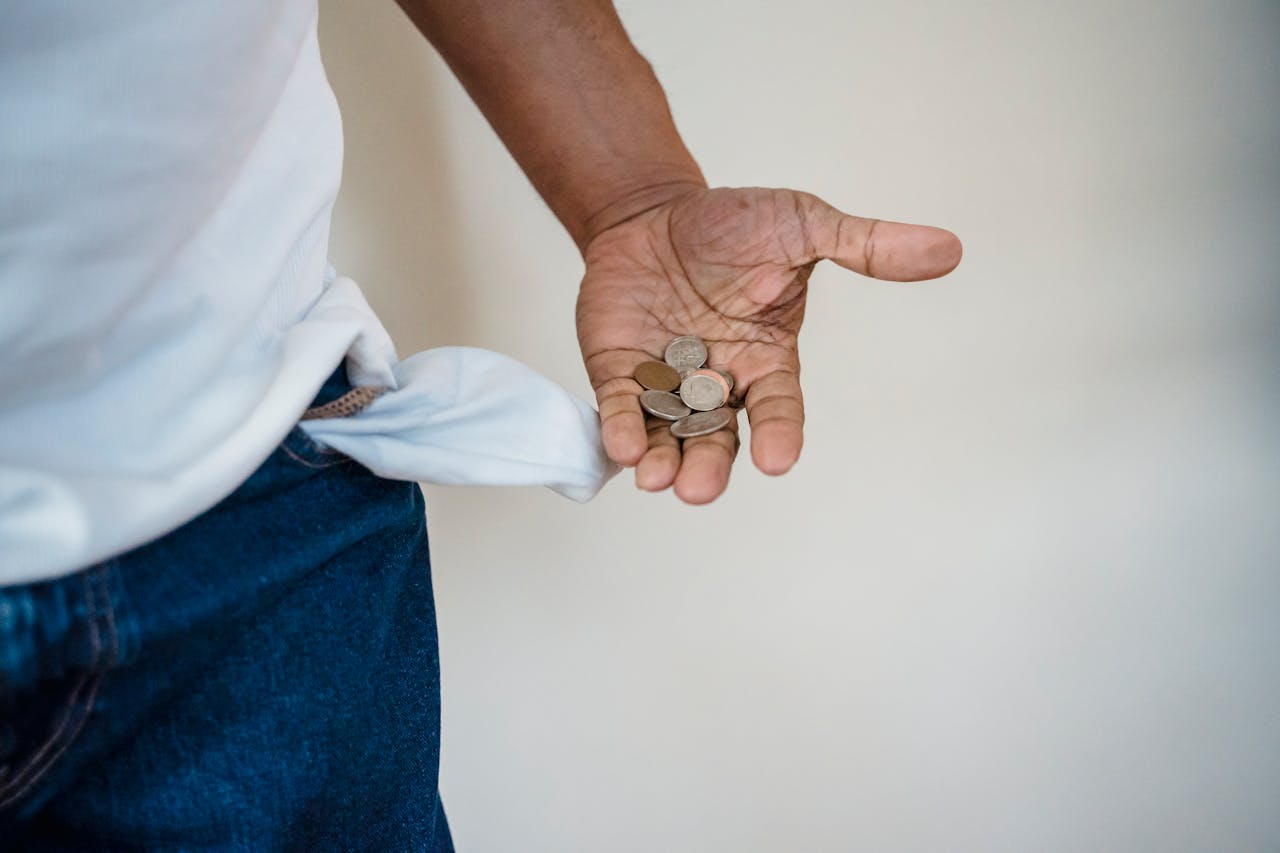
A few years ago, the “No-Spend Year” was a trendy challenge embraced by influencers looking to declutter their lives and boost their savings. In 2026, however, the tone of the conversation has shifted from a quirky lifestyle experiment to a mandatory survival strategy. Rising costs in essential sectors like housing and utilities have squeezed discretionary income to the point where “extras” simply aren’t an option. For many households, the decision to stop buying clothes, gadgets, or dining out isn’t about mindfulness; it’s about math. The voluntary simplicity of the past has been replaced by a mandatory austerity driven by global economic pressures.
The Reality of “Stagflation-Lite” in 2026
The primary catalyst for this shift is a persistent “stagflation-lite” scenario where growth remains sluggish while prices refuse to drop. According to J.P. Morgan Global Research, sticky inflation continues to be a prevailing theme well into 2026.
While the record-high peaks of previous years have passed, the “new normal” for prices is significantly higher than pre-pandemic levels. This means that even though you might be earning the same or slightly more, your purchasing power has been effectively eroded. Families are finding that their “inflation-adjusted” raises are being swallowed whole by the increasing cost of simply existing.
Why the “Choice” to Spend is Disappearing
Housing and utility costs have reached a tipping point, forcing many consumers to enter a “repayment-only” mode for the duration of the year. Data from the Joint Center for Housing Studies at Harvard shows a record number of households are now “cost-burdened,” spending over 30% of their income on shelter.
When rent or mortgage payments consume such a massive chunk of take-home pay, the budget for entertainment and luxury goods naturally evaporates. Americans aren’t necessarily “choosing” to skip the latest iPhone or a weekend getaway; they are simply out of cash after the bills are paid. This forced frugality is reshaping the retail landscape, as brands struggle to attract a cash-strapped public.
The End of the Impulse Purchase Era
Credit card debt and high interest rates have made the “buy now, pay later” lifestyle increasingly dangerous for the average consumer. With the Federal Reserve keeping rates elevated to fight stubborn price increases, carrying a balance has become an unsustainable financial burden.
Many people are realizing that an impulse purchase today could mean a utility shut-off notice next month. Consequently, we are seeing a surge in “quiet consumption” and a massive pull-back from discretionary spending categories like fast food and beauty services. This isn’t just a trend; it’s a necessary defensive maneuver against an unforgiving economic climate.
Finding Resilience in Forced Frugality
While being forced into a no-spend year is undeniably stressful, it is also sparking a revolution in how Americans define value. Many are discovering that once the initial “withdrawal” from consumerism passes, they find more time for community-based activities that don’t require a credit card.
Focus is shifting toward public resources like parks, libraries, and “buy nothing” groups that provide enrichment without a price tag. This period of economic tightening may eventually lead to more stable financial habits once the global economy finds its footing again. For now, the focus remains on navigating the 2026 landscape with grit, grace, and a very tight grip on the purse strings.
The Silver Lining of the 2026 Squeeze
Despite the hardship, this forced transition is fostering a new level of resourcefulness and community reliance across the country. People are learning to repair what they have rather than replacing it, and “swap meets” are becoming a staple of local social life. While we didn’t choose this path of radical budgeting, the skills we are learning now will likely stick with us long after the economy recovers. By focusing on what truly matters—connection, health, and stability—we can weather the storm of 2026. The no-spend year might be forced, but the resilience we build through it is entirely our own.
Are you navigating a forced no-spend year? Share your best money-saving tips in the comments below to help your neighbors thrive on less!