Every winter brings higher utility bills, but this year, older homeowners are facing an especially steep increase. Utilities across the U.S. requested or received approval for $29 billion in rate increases in the first half of 2025. As a result, many older Americans may find themselves struggling to keep up with the costs through the end of the year. Individuals living on a fixed income might feel overwhelmed at what it costs just to heat their homes.
Here’s what you need to know about these increases and how you can better prepare your finances for the hit.
The Impact on Fixed-Income Retirees
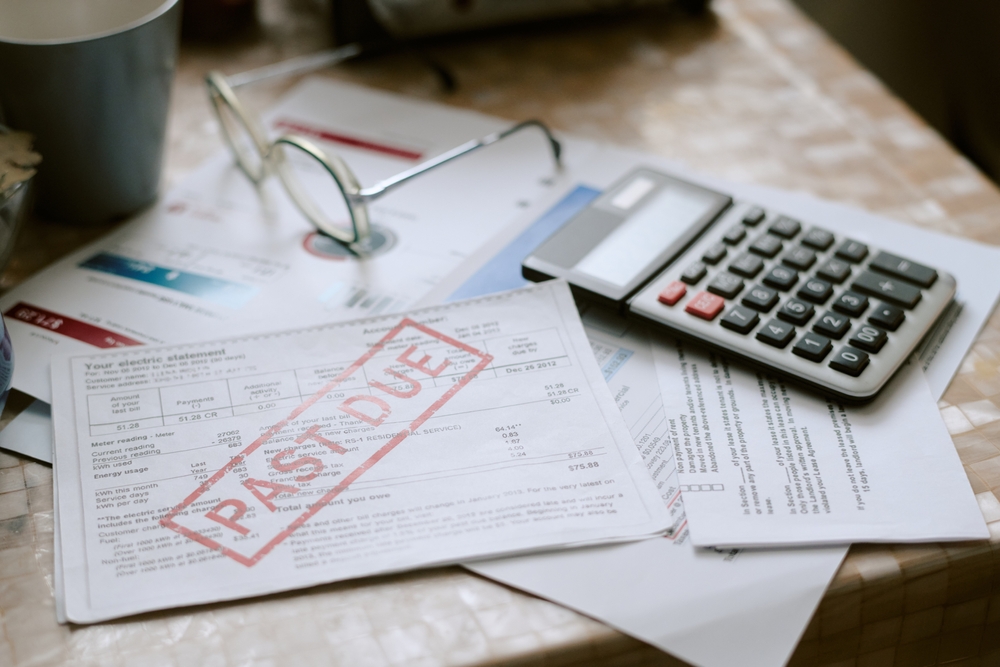
Retirees often rely on Social Security, pensions, or modest savings to cover monthly expenses. Unlike working households, they don’t have the flexibility to increase income when costs rise. A $30 or $40 jump in utility bills may not sound dramatic, but for seniors carefully budgeting every dollar, it can mean cutting back on groceries or skipping other essentials. These rate hikes highlight the vulnerability of older homeowners who already struggle with inflation in healthcare, insurance, and food.
Regional Differences in Rate Hikes
Global energy markets also play a role in rising utility costs. Fluctuations in natural gas and oil prices directly affect heating and electricity bills. Seniors may feel powerless against these global forces, but understanding them provides context for why bills are rising. Market volatility means that even if demand stays steady, prices can spike unexpectedly.
That said, utility increases vary depending on location. In colder states, heating costs are climbing sharply as demand rises. In warmer regions, electricity bills are spiking due to infrastructure upgrades and fuel costs. Seniors should pay attention to local utility announcements, as the timing and size of hikes differ across regions.
Hidden Fees and Service Charges
Beyond the headline rate hikes, many utility companies are adding hidden fees. These may include service charges, delivery fees, or maintenance surcharges. Seniors often overlook these small additions until they notice their bills creeping higher month after month. While each fee may be only a few dollars, together they create a significant burden.
How Seniors Can Reduce Utility Expenses
While rate hikes are unavoidable, seniors can take steps to reduce their utility expenses. Here are some things you can do…
Sealing your home to reduce drafts
Use energy-efficient appliances
Lower your thermostat settings
Ask about senior discounts with your utility providers
Taking the time to explore these options could help ease the burden of utility price hikes. Even the smallest changes can add up to meaningful savings over time.
Assistance Programs for Older Homeowners
Government and nonprofit programs exist to help seniors manage utility costs. The Low Income Home Energy Assistance Program (LIHEAP) provides financial support for heating bills.
Local charities may also offer grants or subsidies during the winter months. Seniors should research available programs in their area and apply early, as funds are often limited. These assistance programs can provide critical relief during periods of high demand.
Preparing for Future Increases
Unfortunately, utility rate hikes are unlikely to stop after this winter. Infrastructure needs, climate challenges, and market volatility suggest that costs will continue rising in the years ahead. Seniors should plan for ongoing increases by building utility expenses into long-term budgets. Exploring renewable energy options, such as solar panels, may also provide relief in the future. Preparing now helps retirees avoid being caught off guard later.
A new wave of utility rate hikes is hitting older homeowners this winter, adding to the financial pressures of retirement. Rising costs for heating, electricity, and water are unavoidable, but seniors can take proactive steps to manage the burden. From energy-saving habits to assistance programs, there are ways to soften the impact. Utility bills may be climbing, but with preparation and support, retirees can weather the storm.
Leave a comment below if you’ve noticed your utility bills rising this winter.
You May Also Like…
Why Utility Bills Are Becoming the Hidden Threat to Fixed Incomes
7 Utility Rebates for Seniors That Expire Soon
Buried in Fine Print: The Utility Discounts You Didn’t Know You Qualified For
Arizona Heat, Bigger Bills: 7 Utility Hacks That Actually Cut Costs for Fixed-Income Retirees
7 Reasons Your Utility Bill Credit Didn’t Arrive—and How to Reapply Before Deadlines