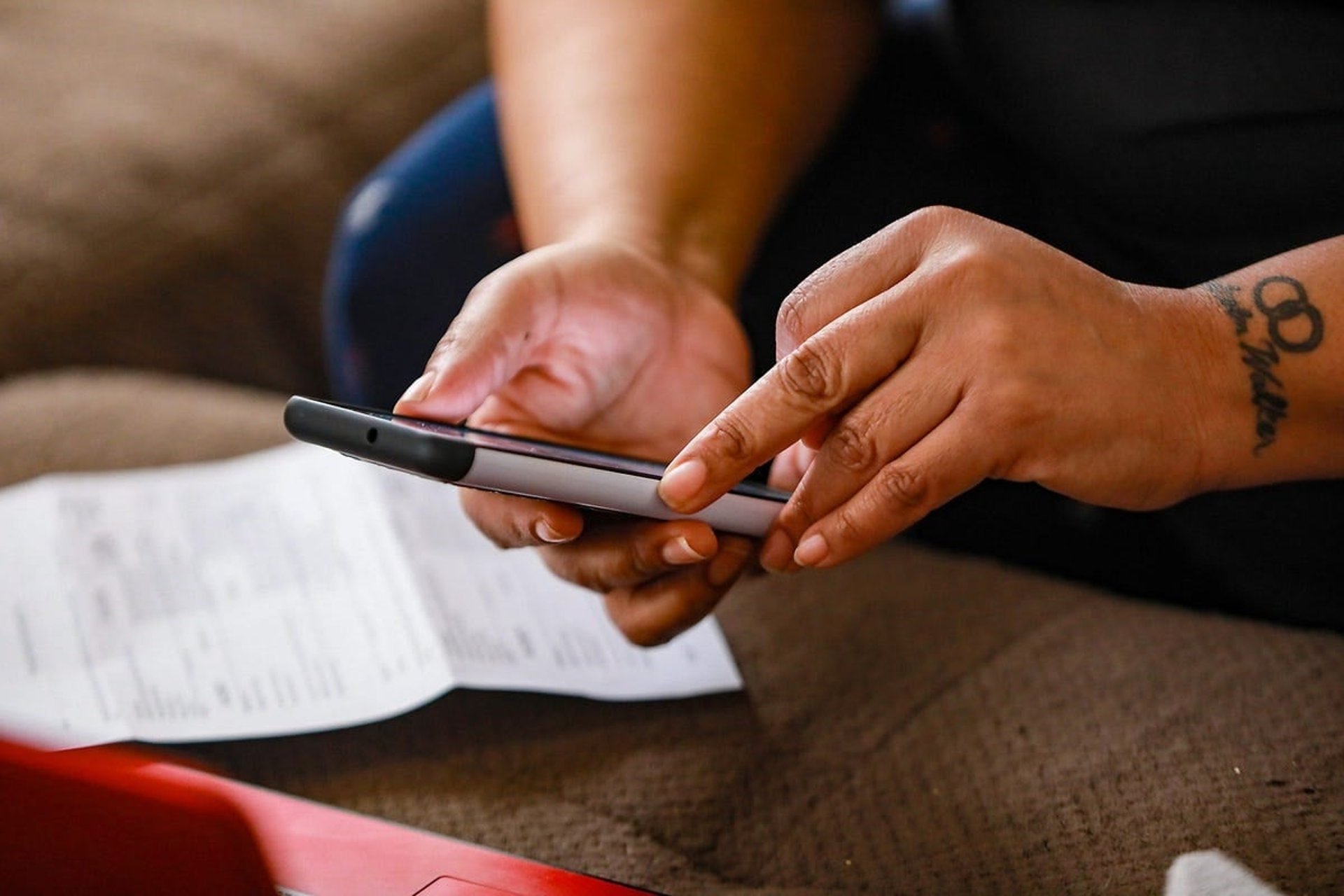
Scammers are at it again, texting Americans, hoping to trick them into giving up financial information under the guise of paying parking or toll fees, officials in multiple states have said this month.
In the messages, the scammers often identify themselves as Department of Transportation or Superior Court staff and tell the potential victims that “records indicate an unpaid traffic violation to your vehicle.”
The messages include dates the department will take measures, such as suspending vehicle registration or charging fees if they don’t click a link and pay.
The issue seems to be on the rise in March, as officials have issued warnings about the scams in Indiana, Maryland, and Michigan.
The scams have been going on since at least 2024. The scammers often impersonate the toll service in the recipient’s state. For example, scammers after California residents have sent texts claiming to be from FastTrak, while scammers after New York residents claim to be from EZ Pass.
In April 2024, the Federal Bureau of Investigation (FBI) said it received more than 2,000 complaints reporting scams representing toll road collection services in three states. The Federal Trade Commission (FTC) issued a January 2025 notice, saying scammers were at it again.
On Friday, March 20, USA TODAY reached out to federal officials to ask about the scam messages, including the FBI, FTC, the Internal Revenue Service, the U.S. Department of Justice, and the General Services Administration, which governs parking garages in federal buildings and spaces across the U.S. The officials have yet to respond.
How Do I Know if It’s a Scam?
Recent scams have included messages claiming to be from the Department of Transportation. The scammers warn recipients that they have parking or toll fees that must be paid, or they risk the department suspending their vehicle registration or licenses, or charging them additional fees.
“Please review your case details and submit payment through the official MDOT website: https://maryland.org-gfcvc.bond/dmv,” scammers recently sent to a Maryland resident. “Reply Y to update this notice. When ready, click the link above to complete your payment.”
Another resident, in Maryland and Indiana, received a message with similar claims.
This time, the scammers pretended to be representatives of Indiana and Maryland’s courts. In the message, the scammers included a case number and a judge’s name, and told the recipient they had a hearing scheduled. Options include appealing or paying the fees online.
Some of the messages even include QR codes that customers can scan with their phones.
What Are Officials Saying?
The Maryland Judiciary issued an alert on March 19 warning locals about the scams.
“This is a scam, and the Fayette (Street) courthouse is closed,” the notice reads. “Recipients should not click the links, scan QR codes, nor provide any payment or personal information. Maryland courts do not send texts requesting payment or personal information via text, telephone, or email.”
The judiciary said those who receive the texts and have questions can contact the Office of the Attorney General Consumer Protection Division hotline at 410-528-8662 or 888-743-0023.
The Indiana Attorney General’s Office also issued a warning this week that foreign scammers are behind text scams in the state. According to the office, scammers have sent the “sternly worded text warning” to Indiana residents.
“The text looks authentic,” the office wrote. “It features official-sounding language and an image of Indiana’s state seal. The problem is that the texts come from impostors perpetrating a phishing scam.”
Phishing, or a cyberattack, occurs when scammers impersonate legitimate organizations to trick recipients into clicking links, opening infected attachments, providing sensitive information and making financial payments.
“Don’t fall for these schemes,” said Indiana’s Attorney General Todd Rokita in the notice. “Ignore these texts. Just delete them.”
How to Spot the Scam
The Indiana Attorney General’s Office said in its March 18 warning that the scam messages often include:
Urgent or threatening language.
Websites and email addresses that do not match the official domain of the supposed sender.
Unusual requests for sensitive personal information like passwords, social security numbers, or bank details. Legitimate organizations do not ask for this information via text.
Generic greetings and poor grammar.
Inaccurate/sloppy copies of the state seal and other official symbols.
According to Indiana’s Attorney General’s Office, the scammers can use services that sell U.S. traffic fine data or information on people with real traffic violations. Because these people have recently had traffic violations, they are more likely to fall for the text message trickery.
The office said U.S. government agencies can’t stop the scammers before they send the texts, but world leaders are working together to stay updated on the tools scammers use to target people.
“Modern text fraud is an organized and innovative criminal enterprise,” Todd Rokita, Indiana attorney general, said in the warning. “We are doing everything in our power to bring these lawbreakers to justice, but we must maintain a laser focus for now on raising awareness and providing education in order to help Hoosiers avoid becoming victims in the first place.”
Contributing: Mary Walrath-Holdridge, Greta Cross, USA TODAY
Saleen Martin is a reporter on USA TODAY’s trending team. She is from Norfolk, Virginia – the 757. Email her at [email protected].
This article originally appeared on USA TODAY: Get a ‘sternly worded text warning’ about parking? It may be a scam.
Reporting by Saleen Martin, USA TODAY / USA TODAY
USA TODAY Network via Reuters Connect