Digital payments have made life easier. You can shop, pay bills, and manage your money from anywhere. But as technology improves, fraud also evolves. One of the newest threats is deepfake fraud. These scams use artificial intelligence to mimic real voices or faces. It feels real and personal, and confuses people quickly. Several large banks focus on customer safety, but personal awareness is still the best first step.
Deepfakes can trick even careful users. They sound like someone you trust. They look like an official call. Many people fall for it because the scam feels natural. Understanding how these scams work helps you stay protected.
How Deepfake Scams Usually Start
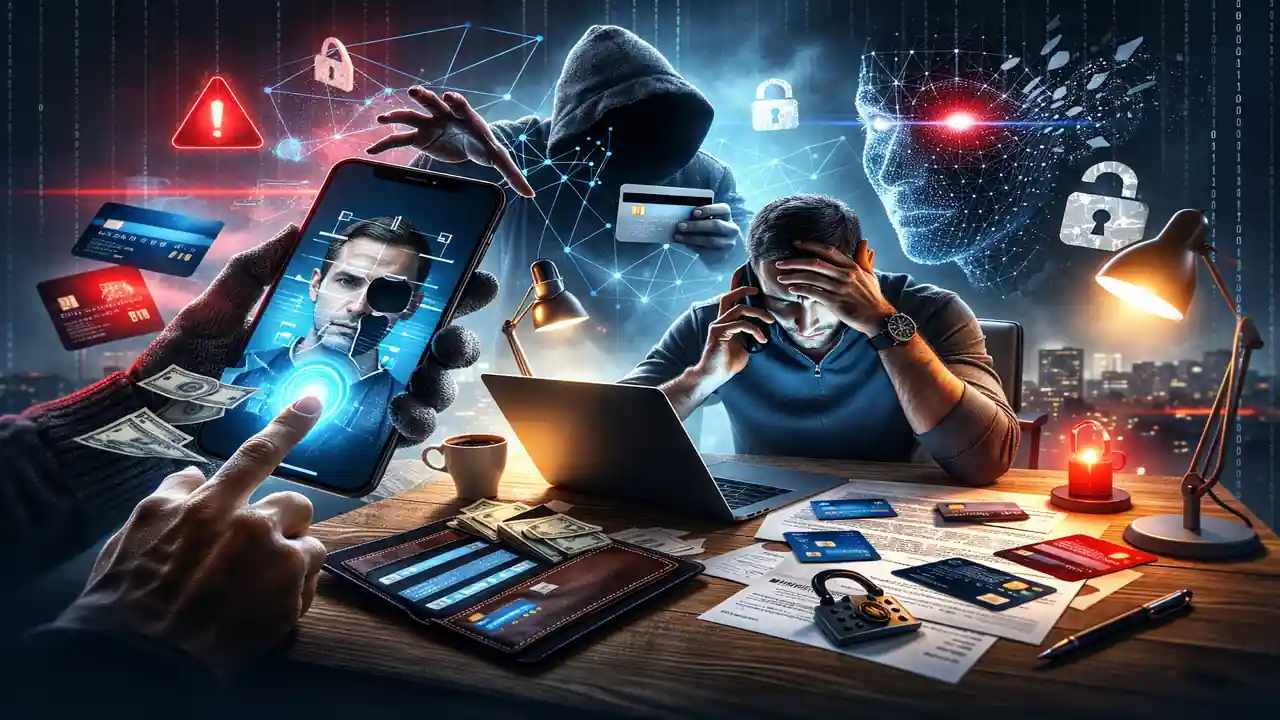
Fraudsters collect small pieces of your personal data. It may come from social media, leaked databases, or past scams. Then they use AI tools to create a fake voice or video. This deepfake can sound like a bank representative, a friend, or even a family member.
The goal is simple. They want your card details or OTP. Once they get it, they use your card quickly. That is why you must stay alert, especially when you receive unexpected calls or messages.
Deepfakes are becoming more common. This makes many users careful when they decide to apply online for credit card products. Safety is important, and awareness helps you make good decisions.
Why People Fall for These Scams
Deepfakes feel authentic. The tone, the words, and the style sound familiar. Many people panic when they hear something urgent. Fraudsters use this pressure to rush you.
They may say your card is blocked, you won a reward, or ask for verification. All of it sounds convincing, especially when the voice feels real. This emotional trick makes people share private information.
Good habits protect you. Never share your PIN or OTP. Your bank will never ask for them.
How Scammers Use Deepfakes for Card Fraud
Once scammers gain trust, they ask for details. They may request your card number or CVV. They may ask you to confirm an OTP. Even one piece of information can allow them to start a transaction.
Some fraudsters also install remote-access apps on your phone. These apps let them see your screen. They monitor how you type. This is dangerous.
Deepfake scams use intelligence, not force. They use confusion, fear, and urgency. Awareness reduces their power.
This makes many users careful when applying online for credit card products. Safety is important, and awareness helps you make good decisions, whether you use everyday cards like the IDFC FIRST Digital RuPay Credit Card with secure UPI-linked transactions or premium options with comprehensive monitoring and alerts.
How RuPay Users Stay Protected
Many users prefer domestic card networks today. Choosing a RuPay credit card offers strong security for online and offline payments. RuPay supports tokenisation and secure authentication. These features make fraud harder.
RuPay cards also work well across major platforms in India. The combination of strong security and wide usage helps users feel more confident. This reduces the chances of falling for fake calls or suspicious payment requests.
Deepfakes may try to mimic official voices, but your card protections stay strong when you follow safe practices.
Why Banking Partners Matter
Your bank plays a big role in your safety. Alerts, transaction limits, and monitoring help catch fraud early. Top banks invest in advanced systems that detect unusual activity. These systems add extra layers of protection.
Customer education matters too. Clear communication helps you understand what banks will never ask for. This prevents scams before they start.
When your bank supports you actively, you feel more secure. You make better decisions. You avoid panic when a suspicious call comes in. This is especially true if you use the IDFC FIRST Bank FIRST Select Credit Card. The card offers real-time transaction alerts, rewards tracking, and built-in safeguards that quickly flag any unusual transactions.
Staying Safe Against Deepfake Fraud
A few habits can protect you from deepfake scams. Always confirm the source of a call. Disconnect if something feels wrong. Call your bank directly using the number on the official website. Never trust unknown links or urgent instructions.
Do not share your card number, CVV, PIN, or OTP. These details belong to you alone. Scammers cannot harm you if they do not get information.
Awareness is your strongest defence. Staying informed makes you confident and calm.
Final Thoughts
Deepfake fraud is new, but you can stay safe with simple habits. Technology may trick your ears, but it cannot access your card without your help. Protect your information. Stay alert. And stay informed.
With strong banking support and smart behaviour, your credit card remains secure even in a world of advanced scams.