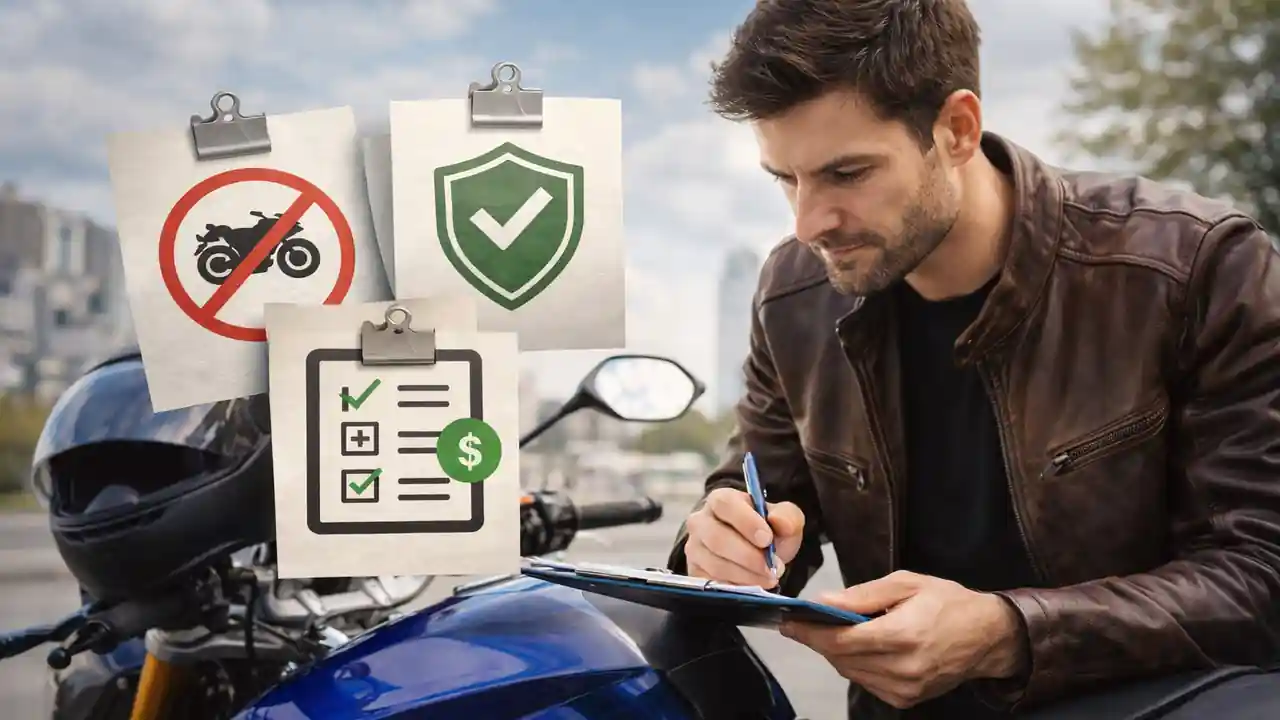
Buying a two-wheeler is always exciting; it’s your ticket to freedom, convenience and the thrill of the open road. But before you rev up your engine, it’s crucial to understand one key responsibility that comes with ownership: bike insurance. In India, having valid two wheeler insurance isn’t just a legal requirement; it’s a vital safeguard against unexpected expenses arising from accidents, theft or damage.
This blog covers key insurance basics each rider needs to understand, no matter if you are a fresh face picking out a perfect ride. Or someone who’s logged miles hunting familiar comfort. One moment shapes the next, different paths crossing at the same point compliant and protected.
Understanding Two-Wheeler Insurance
As a motorized vehicle, motorcycle insurance is legally required under The Motor Vehicle Act of 1988, which is designed to protect riders from financial loss due to an accident, or stolen two-wheeler, and damages due to a natural disaster. There are two main types of motorcycle insurance:
Third-party insurance: Third-party motorcycle insurance covers damages or injury caused by the owner of a two-wheeler to a person or property owned by someone else and is considered the minimum insurance requirement in order to legally operate a two-wheeler in the public alley.
Comprehensive bike insurance: Comprehensive motorcycle insurance covers the two wheeler itself as well as third-party liability claims.
Key Rules to Know Before Buying Bike Insurance
Once you understand the basics of two-wheeler insurance and its types, it is equally important that you understand the general insurance rules as well:
Policy Issuance and Validity
When purchasing online, make sure that the insurance policy is issued in your name at the time of purchase and included with the insurance policy your two-wheeled vehicle’s registration number. Most insurance policies have a one-year term and are available for renewal (one year from date of issuance) and most insurance carriers will offer an auto-renewal option.
For new bikes: Since September 2018, the IRDAI has made it mandatory for all new two-wheelers to have a 5-year third-party insurance policy at the time of purchase. This rule ensures continuous third-party coverage and better protection for accident victims.
Renewal: Always renew your bike insurance on time to maintain uninterrupted protection. A policy lapse not only leaves you uninsured but can also lead to the loss of your No Claim Bonus (NCB), a valuable discount earned for claim-free years.
Coverage Options and Add-Ons
Comprehensive bike insurance can be further strengthened with optional add-ons that offer extra protection. Popular choices include:
Zero depreciation cover: Full replacement value included. This option pays out the entire cost of damaged parts, ignoring wear over time. Best suited for recently purchased or high-end motorcycles.
Engine and gearbox protection: When rain pours or roads flood, engine and gearbox shielding steps in. Water sneaking into vital parts finds resistance here. Oil leaks, common after rough rides, meet their match too. Monsoon seasons test machines hard – this safeguard answers back. Riders near swampy zones gain quiet confidence. Damage from soaked internals gets blocked before it spreads. Protection stays active when weather turns cruel.
Roadside assistance: A car stops on the edge of a highway under gray clouds. Help arrives within hours when engines fail without warning. A spare tire gets swapped while rain taps the pavement. Jump-starting happens if the battery dies mid-commute. Fuel delivery shows up even in remote stretches after miscalculations. Drivers wait safely until aid reaches them.
These add-ons may slightly increase the premium, but they significantly enhance coverage and reduce out-of-pocket expenses during emergencies.
Premium Calculation
Premiums depend on various factors, such as:
Vehicle type, age and engine capacity
Geographical location
Chosen coverage and add-ons
Previous claim history
Claim Process
Filing a claim is relatively straightforward when your policy is active. Generally, the process involves:
Informing the insurer promptly after an accident or damage.
Submitting necessary documents such as FIR, photos and repair estimates.
Getting the bike inspected, if required by the insurer
Receiving the claim settlement based on policy terms.
The time for settlement and approval may vary among insurers. Always review the policy document to fully understand the claim process.
Important Regulations To Follow
Carrying Valid Documents
While riding, always carry:
Driving licence
Vehicle registration certificate
Insurance policy document (or digital copy)
Authorities may request these during routine checks.
Transfer of Ownership
If you sell your bike, make sure to inform your insurer and transfer the insurance policy to the new owner. Failing to do so within the required timeframe could leave you legally liable for any future accidents or claims involving the vehicle, even after it has changed hands.
No Claim Bonus (NCB)
The NCB is a reward for claim-free years and can reduce premiums during renewal. The rules for accumulation and utilisation may vary across insurers. Always review the policy wording to understand how NCB applies to your coverage.
Modifications and Coverage
Significant modifications to your bike, such as engine upgrades or structural alterations, may impact your insurance coverage. Notify your insurer to ensure continuous protection.
Benefits of Buying Bike Insurance Online
Purchasing insurance online offers several advantages, such as:
Convenience: Compare policies, choose add-ons and complete the process in a few minutes.
Instant policy issuance: Most insurers provide immediate digital certificates upon payment.
Transparency: Easy access to terms, coverage and premium details.
Renewal reminders: Online platforms often send notifications to avoid lapses.
Conclusion
Before picking an insurance plan for your bike, get clear on how it works. Coverage types, needed papers, steps to file a claim and what the law says – knowing these keeps things smooth later. Whether you go for basic liability or full cover comes down to money, comfort with risk, maybe how often you ride. One wrong move could cost more than just cash.
Spending a few minutes reading the bike insurance online details pays off down the line. Coverage must match what you actually need, while rules like having updated papers matter just as much. Tell your provider if parts change or someone new owns the bike – silence causes problems later. Knowing each point means fewer surprises when trouble shows up. Riding gets safer when paperwork stays sharp behind the scenes.