No Result
View All Result
  • Login
Saturday, March 21, 2026
FeeOnlyNews.com
  • Home
  • Business
  • Financial Planning
  • Personal Finance
  • Investing
  • Money
  • Economy
  • Markets
  • Stocks
  • Trading
  • Home
  • Business
  • Financial Planning
  • Personal Finance
  • Investing
  • Money
  • Economy
  • Markets
  • Stocks
  • Trading
No Result
View All Result
FeeOnlyNews.com
No Result
View All Result
Home Economy

When Regulation, Not Capitalism, Creates Fake Jobs

by FeeOnlyNews.com
5 months ago
in Economy
Reading Time: 4 mins read
A A
0
When Regulation, Not Capitalism, Creates Fake Jobs
Share on FacebookShare on TwitterShare on LInkedIn


In Graeber’s Paradox, Graeber captured something real: many workers today feel trapped in positions they know serve no clear purpose. Yet he located the cause in capitalism/neoliberalism rather than in bureaucracy. He imagined a world where elites deliberately maintain wasteful employment to keep people docile. But the modern West is not a laissez-faire system; it is a dense web of monetary interventions, taxes, subsidies, and regulations.

From an Austrian perspective, most “fake jobs” appear precisely where the market test is suspended by government intervention, where profit-and-loss signals are muted, and where coercive funding shields inefficiency from discovery.

For the reader, let me briefly recall David Graeber. Graeber (1961–2020) was an American anthropologist and social theorist, a leading figure in the Occupy Wall Street movement, and one of the best-known academic critics of capitalism in recent decades. His book Bullshit Jobs: A Theory (2018) argued that much of modern employment consists of meaningless, socially useless roles produced by capitalism itself. His diagnosis resonated widely, yet his explanation was ideological rather than economic.

The essay below summarizes my article published in Economic Affairs, “Beyond David Graeber: How State Intervention Creates ‘Bullshit Jobs,’” in which I propose, for me, the most robust alternative reading on this phenomenon, rooted in Austrian economics and classical liberalism. My central claim is simple: state intervention, not capitalism, is the actual engine behind the proliferation of meaningless jobs.

Regulatory Inflation: How Paperwork Replaces Production

Every new rule converts productive effort into compliance. Hospitals now employ more administrators than nurses; universities more managers than teachers. These people work hard, but at activities created by legal mandates, not consumer demand. Ludwig von Mises warned in Bureaucracy (1944) that once regulation replaces entrepreneurship, success depends on satisfying procedures rather than customers. Regulatory inflation thus breeds armies of “box tickers” and auditors whose function is to exist.

Distorted Economic Calculation

In competitive markets, unproductive roles tend to vanish. But the market test collapses when subsidies, tax privileges, or political contracts intervene. Firms and public agencies can afford to retain roles that generate no value because their funding is guaranteed. Mises identified this as the calculation problem: once money and prices are distorted, society cannot tell which activities create wealth or merely consume it. BS are the labor-market face of that problem.

Symbolic Labor and the Politics of Appearance

Graeber accurately described the alienation of well-paid professionals who feel useless. Yet the cause is not capitalist exploitation but bureaucratic symbolism. When law and politics dictate who must be hired, promoted, or reported on (through quotas, equity mandates, or CSR requirements), organizations reward appearances over outcomes. Workers sense the hollowness of tasks performed for compliance rather than service. The result is a culture of status without substance, the moral fatigue of pretending to produce.

Monetary Distortions and the Compliance Economy

Easy-money policies intensify the problem. Decades of artificially low interest rates and central bank bailouts push capital (and human talent) into finance, legal risk, and administrative control. Graduates who might have founded firms or engineered products become compliance officers or ESG consultants. Cheap credit softens budget constraints, allowing corporations and governments to hire for optics rather than innovation. In Hayek’s terms, monetary intervention distorts the structure of production (and with it, the structure of employment).

Why Graeber Misdiagnosed the System

Graeber saw inefficiency and assumed capitalism caused it. But, in genuine markets, inefficiency is punished. Fake jobs thrive only where competition is dulled (namely, in public bureaucracies and regulated monopolies). Consider the Spanish civil servant who drew a salary for six years without showing up, as he does in his book, a story Graeber himself cites. Such absurdity survives not because of a profit motive but because no profit motive exists. The absence of market feedback, not its excess, sustains waste.

How Markets Measure Value (and Bureaucracy Destroys It)

Graeber claimed we can’t objectively determine a job’s social worth. Austrians agree that value is subjective but emphasize that prices aggregate subjectivity into an objective signal. A job sustained by voluntary exchange proves its value; one sustained only by coercion or subsidy does not. Markets may err, but they self-correct. Bureaucracies cannot, because their funding never depends on consent.

The Geography of Meaninglessness

If this Austrian hypothesis is correct, BS jobs should concentrate in highly regulated, high-spending economies. Indeed, France (where government outlays exceed 57 percent of GDP) shows some of the densest administrative employment in the developed world. By contrast, leaner economies, such as Switzerland or Singapore, with smaller states and freer markets, exhibit higher productivity and stronger reported job satisfaction. When the state expands, it means contracts.

Restoring Meaning to Work

Graeber was right that people long for purpose. He was wrong about where it comes from. Meaningful work arises from freedom, not from bureaucratic design. To shrink the universe of fake jobs we must:

Simplify and stabilize legal codes;Eliminate subsidies and mandates that reward non-productive sectors;Reinstate hard budget constraints in public institutions;Allow creative destruction to cleanse inefficiency;End monetary manipulation that fuels compliance industries

In short: deregulate meaninglessness away.

Conclusion

Graeber’s work captured a genuine malaise but inverted its cause. Such jobs are not the offspring of markets but of interventionism, of governments that mistake paperwork for progress and regulation for morality. If we want work to matter again, we must let individuals freely create, exchange, and fail. Only then will labor recover its dignity and society’s vitality.



Source link

Tags: capitalismcreatesfakeJobsregulation
ShareTweetShare
Previous Post

11 Secret Uses for Everyday Items That Will Save You Money

Next Post

Berlin-based startups that raised funding in October 2025; 8 are hiring right now

Related Posts

Who Owns the Bus? | Mises Institute

Who Owns the Bus? | Mises Institute

by FeeOnlyNews.com
March 21, 2026
0

In nearly every city, the same bitter argument repeats itself: riders complain about disorder on trains and buses—open drug use,...

The Global Energy Crisis & The Market Impact Into 2028

The Global Energy Crisis & The Market Impact Into 2028

by FeeOnlyNews.com
March 21, 2026
0

  The advantage of having offices around the world is that this also provides us with boots on the ground...

Trump Backs Down – Will Declare Victory

Trump Backs Down – Will Declare Victory

by FeeOnlyNews.com
March 20, 2026
0

QUESTION: Marty, the word is you have been screaming on Capitol Hill and some are listening to your computer. You...

Market Talk – March 20, 2026

Market Talk – March 20, 2026

by FeeOnlyNews.com
March 20, 2026
0

ASIA: The major Asian stock markets had a mixed day today: • NIKKEI 225 closed • Shanghai decreased 49.50 points...

Elizabeth Warren demands answers on costs, economic impact of ‘illegal and reckless war’

Elizabeth Warren demands answers on costs, economic impact of ‘illegal and reckless war’

by FeeOnlyNews.com
March 20, 2026
0

Senator Elizabeth Warren, a Democrat from Massachusetts and ranking member of Senate Banking, Housing, and Urban Affairs Committee, speaks during...

Natural Capitalism and its Degeneration

Natural Capitalism and its Degeneration

by FeeOnlyNews.com
March 20, 2026
0

Today’s capitalism reflects a tragic reality: artificially oversized corporations; monetary systems designed for credit expansion; recurrent financial bailouts; state-financed armed...

Next Post
Berlin-based startups that raised funding in October 2025; 8 are hiring right now

Berlin-based startups that raised funding in October 2025; 8 are hiring right now

These 7 Major Companies Are Laying Off Workers by the Thousands. Should You Worry About the Economy?

These 7 Major Companies Are Laying Off Workers by the Thousands. Should You Worry About the Economy?

  • Trending
  • Comments
  • Latest
York IE Appoints Chuck Saia to its Strategic Advisory Board

York IE Appoints Chuck Saia to its Strategic Advisory Board

February 18, 2026
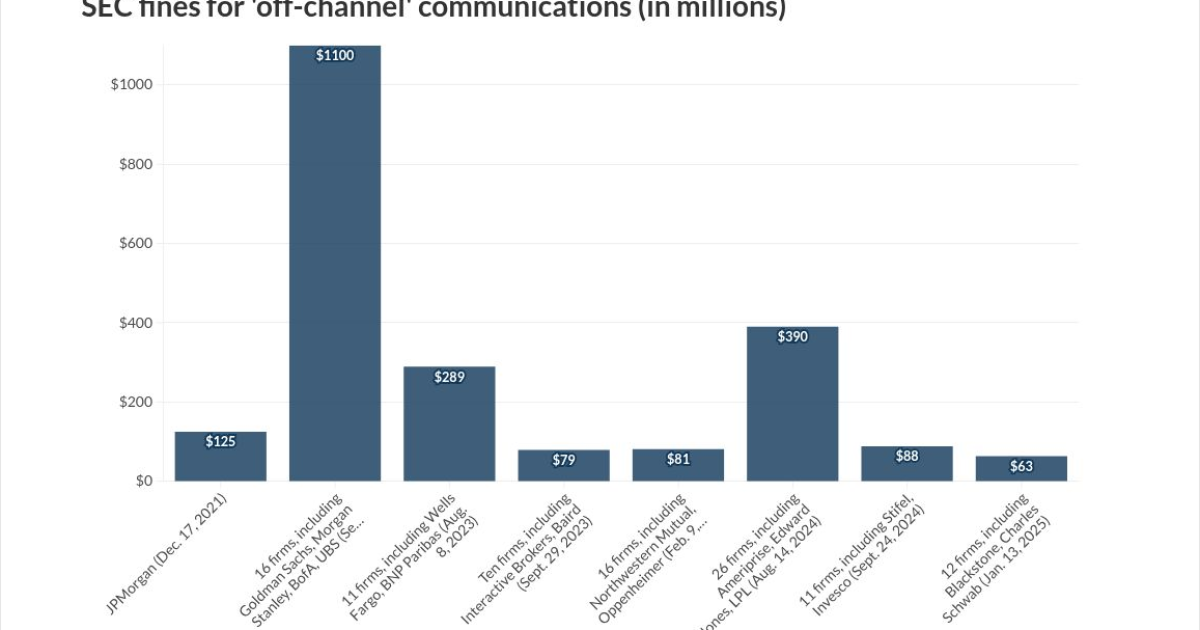
Judge orders SEC to release data behind B in WhatsApp fines

Judge orders SEC to release data behind $2B in WhatsApp fines

March 10, 2026
8 Cost-Cutting Moves Retirees Are Sharing Online in February

8 Cost-Cutting Moves Retirees Are Sharing Online in February

February 14, 2026
3 Grocery Chains That Give Seniors a “Gas Bonus” for Every  Spent

3 Grocery Chains That Give Seniors a “Gas Bonus” for Every $50 Spent

March 15, 2026
8 Procedures That Can Be Cheaper Without Insurance

8 Procedures That Can Be Cheaper Without Insurance

February 14, 2026
FPA partners with Snappy Kraken to update PlannerSearch

FPA partners with Snappy Kraken to update PlannerSearch

February 25, 2026
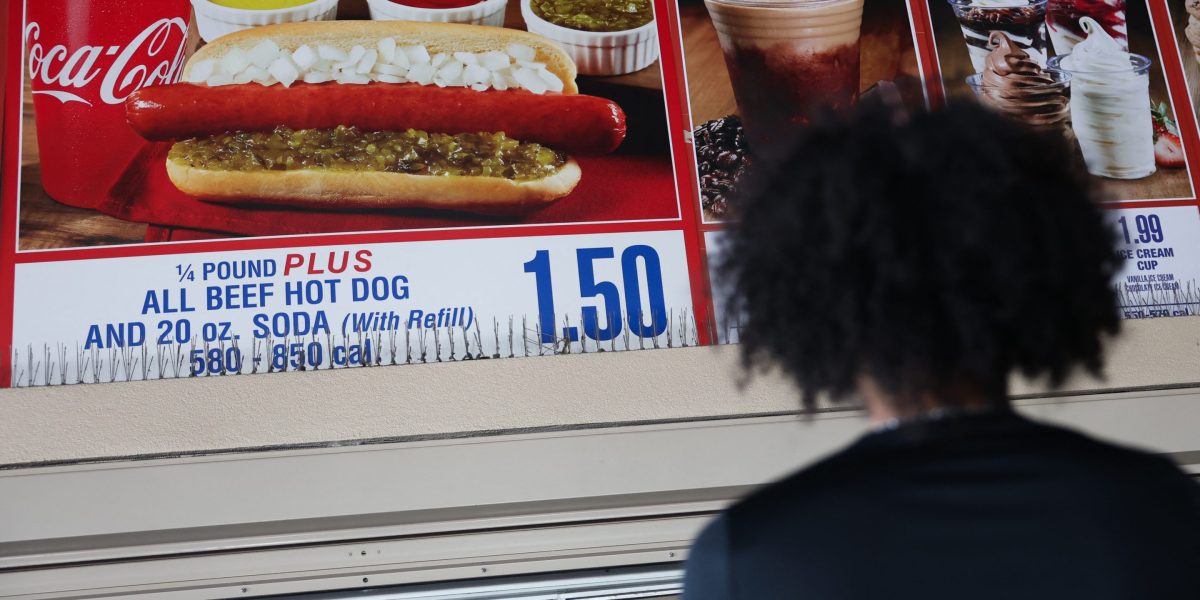
Costco’s .50 hot dog will never change, CEO Ron Vachris promises

Costco’s $1.50 hot dog will never change, CEO Ron Vachris promises

0
Who Owns the Bus? | Mises Institute

Who Owns the Bus? | Mises Institute

0
These Hidden Mastercard Perks Could Upgrade Your Next Trip

These Hidden Mastercard Perks Could Upgrade Your Next Trip

0
Views for next Fed rate cut pushed back after hot inflation report

Views for next Fed rate cut pushed back after hot inflation report

0
Israeli AI cybersecurity co Surf AI raises m

Israeli AI cybersecurity co Surf AI raises $57m

0
Kalshi Defies U.S. Legal Tussle and Nevada Temporary Ban as Valuation Doubles to B

Kalshi Defies U.S. Legal Tussle and Nevada Temporary Ban as Valuation Doubles to $22B

0
Who Owns the Bus? | Mises Institute

Who Owns the Bus? | Mises Institute

March 21, 2026
Costco’s .50 hot dog will never change, CEO Ron Vachris promises

Costco’s $1.50 hot dog will never change, CEO Ron Vachris promises

March 21, 2026
I’m 37 and I realized last month that I have two hundred contacts in my phone and not a single person I could call at 2 AM without feeling like I was being a burden — and that math broke something in me

I’m 37 and I realized last month that I have two hundred contacts in my phone and not a single person I could call at 2 AM without feeling like I was being a burden — and that math broke something in me

March 21, 2026
Rupee on shaky ground, touches fresh low of 93.73

Rupee on shaky ground, touches fresh low of 93.73

March 21, 2026
Three weeks into the Iran war that’s seeking 0 billion, here’s what success for Trump looks like

Three weeks into the Iran war that’s seeking $200 billion, here’s what success for Trump looks like

March 21, 2026
Grayscale Files For HYPE ETF – Here’s What To Know

Grayscale Files For HYPE ETF – Here’s What To Know

March 21, 2026
FeeOnlyNews.com

Get the latest news and follow the coverage of Business & Financial News, Stock Market Updates, Analysis, and more from the trusted sources.

CATEGORIES

  • Business
  • Cryptocurrency
  • Economy
  • Financial Planning
  • Investing
  • Market Analysis
  • Markets
  • Money
  • Personal Finance
  • Startups
  • Stock Market
  • Trading

LATEST UPDATES

  • Who Owns the Bus? | Mises Institute
  • Costco’s $1.50 hot dog will never change, CEO Ron Vachris promises
  • I’m 37 and I realized last month that I have two hundred contacts in my phone and not a single person I could call at 2 AM without feeling like I was being a burden — and that math broke something in me
  • Our Great Privacy Policy
  • Terms of Use, Legal Notices & Disclaimers
  • About Us
  • Contact Us

Copyright © 2022-2024 All Rights Reserved
See articles for original source and related links to external sites.

Welcome Back!

Sign In with Facebook
Sign In with Google
Sign In with Linked In
OR

Login to your account below

Forgotten Password?

Retrieve your password

Please enter your username or email address to reset your password.

Log In
No Result
View All Result
  • Home
  • Business
  • Financial Planning
  • Personal Finance
  • Investing
  • Money
  • Economy
  • Markets
  • Stocks
  • Trading

Copyright © 2022-2024 All Rights Reserved
See articles for original source and related links to external sites.