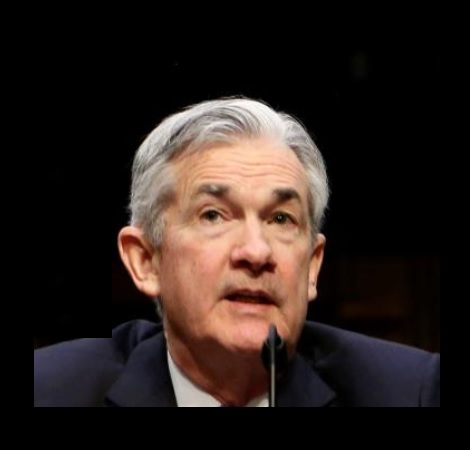
The Federal Reserve was divided this December; hawkish members of the FOMC were outnumbered, and the central bank approved its third consecutive cut of 2025. “We’re in the high end of the range of neutral,” Federal Reserve Chairman Jerome Powell added. “It″s so happened that we’ve cut three times. We have we haven’t made any decision about January, but as I said, we think we’re well positioned to wait and see how the economy performs.”
“The discussions we have are as good as any we’ve had in my 14 years at the Fed, very thoughtful, respectful, and you just have people who have strong views, and we come together and we reach a place where we can make a decision,” Powell said.
The ultimate 9-3 vote has brought the overnight rate down to 3.5%-3.75%. Governor Stephen Miran, appointed by Trump, naturally requested a steeper 0.5% reduction. Presidents Jeffrey Schmid of Kansas City and Austan Goolsbee of Chicago were the only members in favor of holding. Miran voted to hold rates during the past three FOMC meetings, but his time at the central bank comes to an end in January. Schmid voted “no” for the second consecutive time.
Of the 19 participants, four issued “soft dissents” expressing disagreement with the decision. Only 12 members have the right to vote on the final outcome. Remember that the president appoints the Board of Governors with Senate approval. Donald Trump sees rates through the eyes of a borrower and mistakenly believes bringing rates down to 0 would lead to business expansion and lower inflation. Trump now has the ability to replace members with candidates who support his dovish stance.
Inflation is driven by fiscal policy, not monetary policy. Congress can run deficits until the sun burns out, and the Fed has no authority to stop them. You can raise or lower interest rates all you want, for it will not change the fact that government spending has blown past anything sustainable. When you borrow without end, servicing that debt becomes a greater share of national income, and that is where the real inflationary pressure comes from. It has nothing to do with whether a handful of hawks around a conference table want 25 bps more. Once FDR hijacked the system and consolidated power in Washington, the Fed became an accessory to fiscal irresponsibility.
The system broke when the government swapped corporate paper for sovereign debt. Once the Fed became the buyer of last resort for federal spending, inflation became a political problem and not a monetary one.