No Result
View All Result
  • Login
Thursday, April 9, 2026
FeeOnlyNews.com
  • Home
  • Business
  • Financial Planning
  • Personal Finance
  • Investing
  • Money
  • Economy
  • Markets
  • Stocks
  • Trading
  • Home
  • Business
  • Financial Planning
  • Personal Finance
  • Investing
  • Money
  • Economy
  • Markets
  • Stocks
  • Trading
No Result
View All Result
FeeOnlyNews.com
No Result
View All Result
Home Economy

Europe Begins Energy Rationing As The Crisis Moves Into Daily Life

by FeeOnlyNews.com
10 hours ago
in Economy
Reading Time: 3 mins read
A A
0
Europe Begins Energy Rationing As The Crisis Moves Into Daily Life
Share on FacebookShare on TwitterShare on LInkedIn


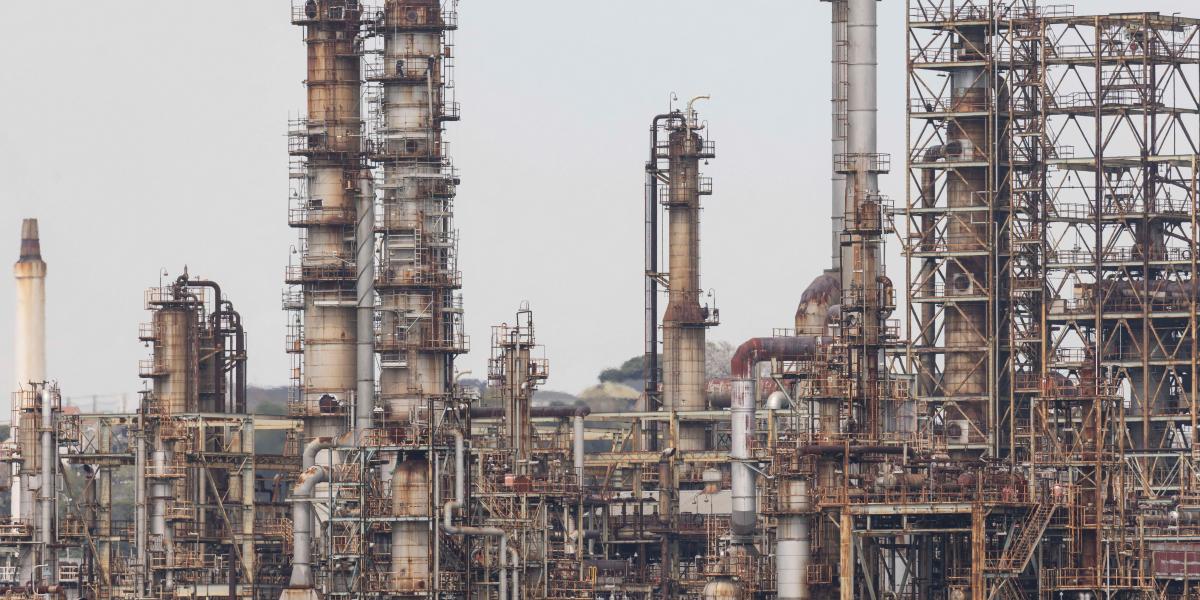
Europe is now removing any doubt about the seriousness of this crisis, because governments do not tell millions of people to stay home from work unless there is a genuine shortage forming beneath the surface. The European Union has begun urging citizens to work from home, drive less, reduce speed limits, and cut overall energy consumption as part of an emergency response to the shock created by the Iran war.

The language coming out of officials makes it clear that this is not temporary. European authorities are warning of a “very serious situation” with no immediate end in sight, and that is consistent with what we are seeing globally as the closure of the Strait of Hormuz has disrupted one of the most critical energy arteries in the world. Roughly 20% of global oil and gas normally moves through that route, and Europe alone depends on it for a meaningful portion of its energy mix, including about 7% of its oil, 8.5% of LNG, and as much as 40% of jet fuel and diesel. When that flow is disrupted, there is no quick replacement.

What governments are doing now is trying to reduce demand because they cannot increase supply fast enough. The International Energy Agency has even outlined measures such as reducing highway speeds, limiting private car use, encouraging public transportation, and shifting work patterns to remote where possible. This is not environmental policy, this is rationing by another name. It is the same playbook we saw in the 1970s, only now it is being implemented through modern systems rather than overt fuel lines and shortages at the pump.

The push toward remote work is particularly telling because it highlights how deeply energy is embedded in the economy. Commuting, office buildings, transportation networks, all of these consume energy, and by reducing physical movement, governments are attempting to lower overall demand without explicitly declaring rationing. Some countries are even moving toward four-day workweeks and limiting travel to essential activities only, which again shows that the problem is not theoretical but already impacting how economies function on a daily basis.

This ties directly into the broader supply shock that has been described as the largest in modern history. The International Energy Agency has warned that this crisis is worse than the shocks of 1973, 1979, and even the recent energy disruptions combined, and that is because the current system is far more interconnected and dependent on continuous energy flows. Europe entered this crisis with already low gas storage levels, estimated around 30% capacity after a harsh winter, which has left it particularly vulnerable as prices have surged and supplies tightened.

What the public still does not fully grasp is that this is only the beginning phase. The oil and gas that were already in transit before the disruption are still working their way through the system, and that has delayed the full impact. Governments are trying to get ahead of that moment by cutting demand now, because once those flows diminish further, the gap between supply and consumption will become impossible to ignore. That is when rationing becomes unavoidable rather than advisory.

There is also a secondary effect that is already emerging, which is the impact on industry. Energy-intensive sectors across Europe, including chemicals and manufacturing, are facing rising costs and in some cases reducing output or adding surcharges of up to 30% just to stay operational. This is how an energy crisis turns into an economic crisis, because once production slows, prices rise, and growth begins to stall while inflation accelerates, creating the classic stagflation scenario.

The idea that economies can continue operating at full capacity while energy supply is constrained is simply not realistic. When energy becomes scarce, everything above it must contract, and that is exactly what we are seeing with reduced work schedules, remote work mandates, and transportation limits.

Governments are trying to manage the transition in a way that avoids panic, but the measures themselves reveal the severity of the situation. Once you begin telling entire populations to change how they work, travel, and consume energy, you have already crossed into crisis territory.

This will not resolve quickly. Officials are already warning that the shock will be long-lasting, and that suggests the current measures are just the first step. If the disruption to global energy flows continues, these temporary adjustments will evolve into more formalized restrictions, and what is now being presented as voluntary guidance will become mandatory policy.

Energy sits at the foundation of the entire economy, and once that foundation is disrupted, everything built on top of it begins to shift. Europe is now entering that phase, and the move toward remote work and reduced consumption is simply the first visible sign that the system is under strain.



Source link

Tags: beginsCrisisDailyenergyEuropeLifemovesRationing
ShareTweetShare
Previous Post

Oil Price Today (April 9): Crude oil prices rebound, hover close to $100 despite Iran war ceasefire. Here’s why

Next Post

Narendra Solanki sees limited IT growth, bets on rural and pharma plays

Related Posts

Iran oil shock stirs memories of 1997 Asian Financial Crisis — but here’s why history may not repeat itself

Iran oil shock stirs memories of 1997 Asian Financial Crisis — but here’s why history may not repeat itself

by FeeOnlyNews.com
April 9, 2026
0

A month into the worst oil supply disruption since the 1970s Arab embargo, the economic pain spreading across Asia is...

The Iran War Update | Armstrong Economics

The Iran War Update | Armstrong Economics

by FeeOnlyNews.com
April 8, 2026
0

I believe that Benjamin Netanyahu is a highly dangerous psychopath, which is defined as a person characterized by traits such as...

Markets shift back toward potential Fed rate cut this year with Iran ceasefire in place

Markets shift back toward potential Fed rate cut this year with Iran ceasefire in place

by FeeOnlyNews.com
April 8, 2026
0

A trader works, as a screen broadcasts a press conference by U.S. Federal Reserve Chair Jerome Powell following the Fed...

Rothbard, the Mises Institute, and the Battle of Ideas

Rothbard, the Mises Institute, and the Battle of Ideas

by FeeOnlyNews.com
April 8, 2026
0

What is the Mises Institute? The Mises Institute is a non-profit organization that exists to promote teaching and research in...

The Economic Destruction of Trump’s War Goes Far Beyond High Gas Prices

The Economic Destruction of Trump’s War Goes Far Beyond High Gas Prices

by FeeOnlyNews.com
April 8, 2026
0

For the past six weeks, as this US-Israeli war with Iran has played out, the economic impact of the conflict...

“Very difficult, perhaps altogether impossible”: Smith’s political science at Econlib

“Very difficult, perhaps altogether impossible”: Smith’s political science at Econlib

by FeeOnlyNews.com
April 8, 2026
0

We’re joining our friends at Liberty Matters in their celebration of the 250th anniversary of the publication of An Inquiry...

Next Post
Narendra Solanki sees limited IT growth, bets on rural and pharma plays

Narendra Solanki sees limited IT growth, bets on rural and pharma plays

Walmart – WMT: Defensive Aktie mit Wachstumspotenzial!

Walmart – WMT: Defensive Aktie mit Wachstumspotenzial!

  • Trending
  • Comments
  • Latest
Judge orders SEC to release data behind B in WhatsApp fines

Judge orders SEC to release data behind $2B in WhatsApp fines

March 10, 2026
The 23 Largest Global Startup Funding Rounds of February 2026 – AlleyWatch

The 23 Largest Global Startup Funding Rounds of February 2026 – AlleyWatch

March 27, 2026
Easter Basket Ideas for Kids

Easter Basket Ideas for Kids

March 23, 2026
3 Grocery Chains That Give Seniors a “Gas Bonus” for Every  Spent

3 Grocery Chains That Give Seniors a “Gas Bonus” for Every $50 Spent

March 15, 2026
Royal Caribbean, Bank of America Launching New Credit Cards

Royal Caribbean, Bank of America Launching New Credit Cards

March 31, 2026
CVS Deals Under  This Week

CVS Deals Under $1 This Week

March 30, 2026
Mortgage Rates Today, Thursday, April 9: Slightly Higher

Mortgage Rates Today, Thursday, April 9: Slightly Higher

0
Georgia Passes Major HOA Reform Bill—Could the Rest of the Country Follow?

Georgia Passes Major HOA Reform Bill—Could the Rest of the Country Follow?

0
Crypto Prediction Markets Continue To Be Under Siege — Are Traders Now Fair Game For Prosecutors?

Crypto Prediction Markets Continue To Be Under Siege — Are Traders Now Fair Game For Prosecutors?

0
First, Iran and Hormuz, second, China and Taiwan? The dangerous implications of a tollbooth on the open sea

First, Iran and Hormuz, second, China and Taiwan? The dangerous implications of a tollbooth on the open sea

0
Analysis Exposes a Relentless Layoff Trend Across American Tech Companies

Analysis Exposes a Relentless Layoff Trend Across American Tech Companies

0
Europe Begins Energy Rationing As The Crisis Moves Into Daily Life

Europe Begins Energy Rationing As The Crisis Moves Into Daily Life

0
Mortgage Rates Today, Thursday, April 9: Slightly Higher

Mortgage Rates Today, Thursday, April 9: Slightly Higher

April 9, 2026
Crypto Prediction Markets Continue To Be Under Siege — Are Traders Now Fair Game For Prosecutors?

Crypto Prediction Markets Continue To Be Under Siege — Are Traders Now Fair Game For Prosecutors?

April 9, 2026
First, Iran and Hormuz, second, China and Taiwan? The dangerous implications of a tollbooth on the open sea

First, Iran and Hormuz, second, China and Taiwan? The dangerous implications of a tollbooth on the open sea

April 9, 2026
Richardson Electronics, Ltd. (RELL) Reports Q3 2026 Earnings

Richardson Electronics, Ltd. (RELL) Reports Q3 2026 Earnings

April 9, 2026
Georgia Passes Major HOA Reform Bill—Could the Rest of the Country Follow?

Georgia Passes Major HOA Reform Bill—Could the Rest of the Country Follow?

April 9, 2026
Analysis Exposes a Relentless Layoff Trend Across American Tech Companies

Analysis Exposes a Relentless Layoff Trend Across American Tech Companies

April 9, 2026
FeeOnlyNews.com

Get the latest news and follow the coverage of Business & Financial News, Stock Market Updates, Analysis, and more from the trusted sources.

CATEGORIES

  • Business
  • Cryptocurrency
  • Economy
  • Financial Planning
  • Investing
  • Market Analysis
  • Markets
  • Money
  • Personal Finance
  • Startups
  • Stock Market
  • Trading

LATEST UPDATES

  • Mortgage Rates Today, Thursday, April 9: Slightly Higher
  • Crypto Prediction Markets Continue To Be Under Siege — Are Traders Now Fair Game For Prosecutors?
  • First, Iran and Hormuz, second, China and Taiwan? The dangerous implications of a tollbooth on the open sea
  • Our Great Privacy Policy
  • Terms of Use, Legal Notices & Disclaimers
  • About Us
  • Contact Us

Copyright © 2022-2024 All Rights Reserved
See articles for original source and related links to external sites.

Welcome Back!

Sign In with Facebook
Sign In with Google
Sign In with Linked In
OR

Login to your account below

Forgotten Password?

Retrieve your password

Please enter your username or email address to reset your password.

Log In
No Result
View All Result
  • Home
  • Business
  • Financial Planning
  • Personal Finance
  • Investing
  • Money
  • Economy
  • Markets
  • Stocks
  • Trading

Copyright © 2022-2024 All Rights Reserved
See articles for original source and related links to external sites.