As the US-Iran war tensions continue to escalate, India is stepping up its response. Prime Minister Narendra Modi will conduct an emergency meeting to assess the current situation, while Iran has requested India to use its independent voice for crisis de-escalation.
Indian PM Convenes Emergency Meeting Amid US-Iran War
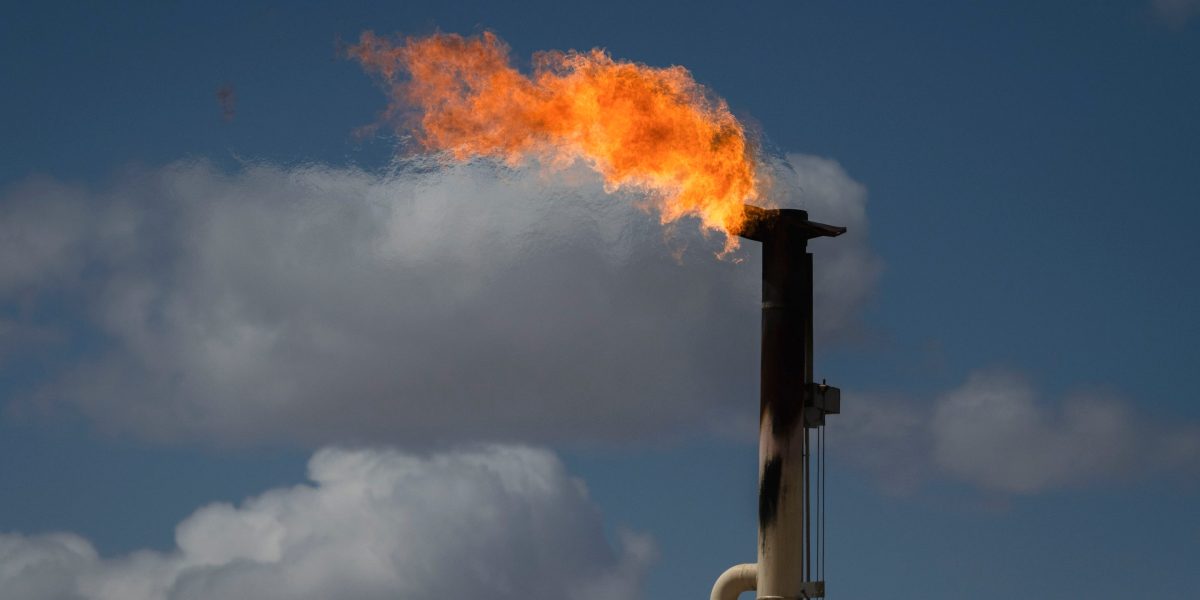
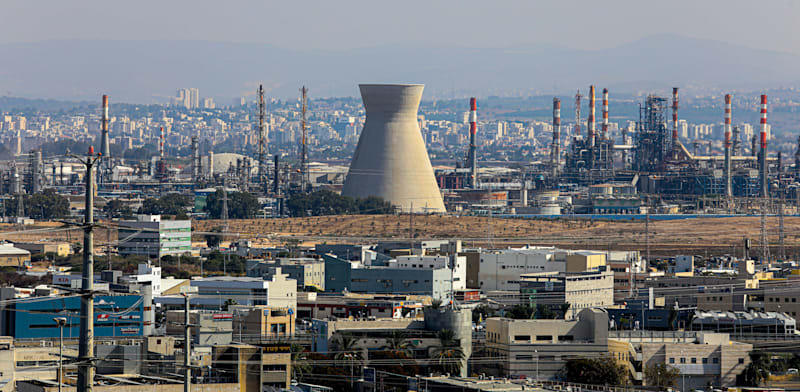
Amid the ongoing US-Iran war tensions, Indian PM Narendra Modi will conduct a cabinet meeting today. The meeting will examine how the Middle East situation affects vital industries. These industries include petroleum, crude oil, power, and fertilizer production.
The Strait of Hormuz is an important shipping route, responsible for about 20% of global oil transportation. Iran’s closure of this critical strait has created international energy supply challenges. Countries, including India, are under pressure due to its closure.
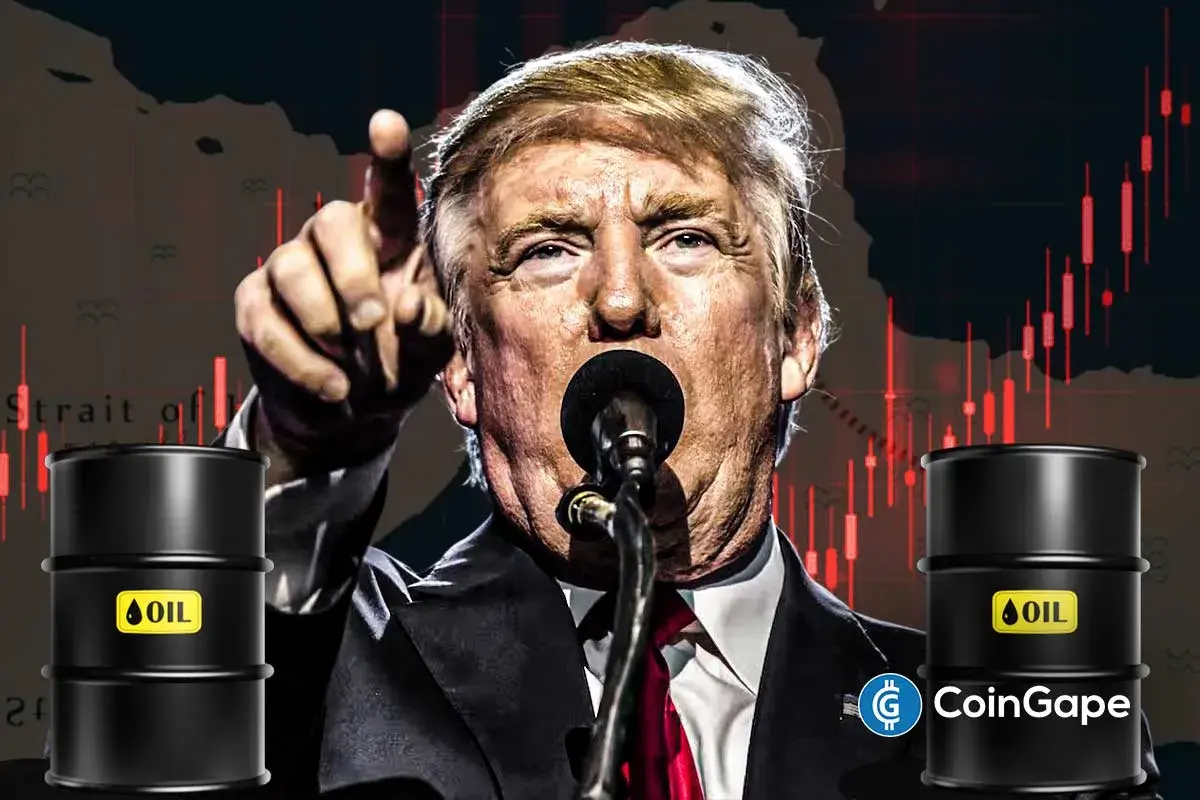
Earlier today, US President Trump warned Iran to reopen the Strait. As CoinGape reported, Trump announced an immediate 48-hour deadline to threaten the destruction of Iran’s power plants. Iran also issued a strong warning, asserting that every attack on its energy infrastructure would result in retaliation against American-linked assets and vital facilities throughout the Middle East.
Despite these heightened issues, fuel supplies continue to arrive in India. A cargo ship named Pyxis Pioneer, carrying LPG from Texas, USA, has now reached the port of Mangalore. Another tanker, Aqua Titan, loaded with Russian oil and originally headed for China, also arrived at New Mangalore on Saturday.
Iran Seeks India’s Role in Defusing Conflict
Iran has called on India to play a significant role in calming the ongoing US-Iran conflict. During a recent conversation with Prime Minister Narendra Modi, Iranian President Masoud Pezeshkian urged the country to use its independent position and global influence to help bring the situation under control.
Tehran believes India, especially as the current BRICS chair, can act as a neutral voice. The Iranian President stated that India could play a significant role in ending the US-Iran conflict. and push for dialogue to end the conflict.
In response, Modi stated,
“Condemned attacks on critical infrastructure in the region, which threaten regional stability and disrupt global supply chains. Reiterated the importance of safeguarding freedom of navigation and ensuring that shipping lanes remain open and secure…Appreciated Iran’s continued support for the safety and security of Indian nationals in Iran.”
India has emphasized the need for peace and stability, together with free international shipping routes. Meanwhile, Iran uses its diplomatic efforts to reduce tensions and stop additional regional conflicts from occurring.
What the US-Iran Conflict Means for India’s Economy?
The active war between the US and Iran creates major economic threats affecting countries like India, as it relies on imported oil. India depends on the Strait of Hormuz for a significant portion of its crude and gas supply needs. The country faces great danger because of this situation. Any blockage or tension in this route can result in a further surge of oil prices.
Currently, the oil price is at $98, up 2.8%. If the US-Iran issue worsens, it could increase India’s import bill, putting pressure on inflation and fuel prices. Experts say that even a partial reopening could bring some relief and create new opportunities in the country.
It is amid this situation that PM Modi is convening the meeting. He is expected to review India’s overall preparedness to handle any disruption in energy supplies, especially if the situation in the Strait of Hormuz worsens. Officials may also assess current fuel stock levels, alternative supply routes, and the country’s ability to manage sudden price spikes.