Nvidia CEO Jensen Huang doesn’t foresee a sudden spike of AI-related layoffs, but that doesn’t mean the technology won’t drastically change the job market—or even create new roles like robot tailors.
The jobs that will be the most resistant to AI’s creeping effect will be those that consist of more than just routine tasks, Huang said during an interview with podcast host Joe Rogan this week.
“If your job is just to chop vegetables, Cuisinart’s gonna replace you,” Huang said.
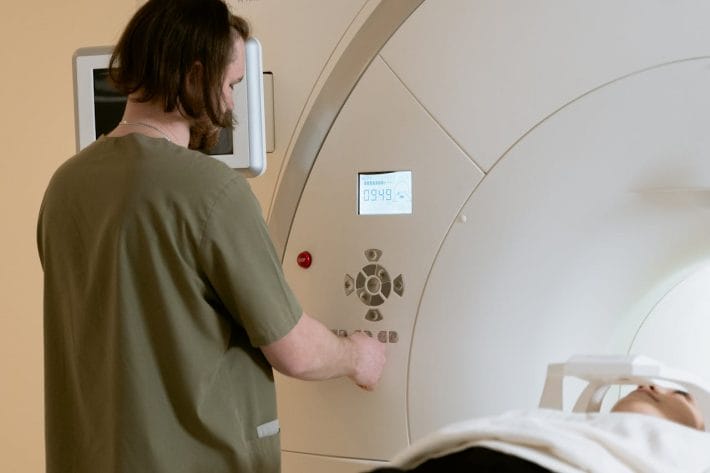
On the other hand, some jobs, such as radiologists, may be safe because their role isn’t just about taking scans, but rather interpreting those images to diagnose people.
“The image studying is simply a task in service of diagnosing the disease,” he said.
Huang allowed that some jobs will indeed go away, although he stopped short of using the drastic language from others like Geoffrey Hinton a.k.a. “the Godfather of AI” and Anthropic CEO Dario Amodei, both of whom have previously predicted massive unemployment thanks to the improvement of AI tools.
Yet, the potential, AI-dominated job market Huang imagines may also add some new jobs, he theorized. This includes the possibility that there will be a newfound demand for technicians to help build and maintain future AI assistants, Huang said, but also other industries that are harder to imagine.
“You’re gonna have robot apparel, so a whole industry of—isn’t that right? Because I want my robot to look different than your robot,” Huang said. “So you’re gonna have a whole apparel industry for robots.”
The idea of AI-powered robots dominating jobs once held by humans may sound like science fiction, and yet some of the world’s most important tech companies are already trying to make it a reality.
Tesla CEO Elon Musk has made the company’s Optimus robot a central tenet of its future business strategy. Just last month, Musk predicted money will no longer exist in the future and work will be optional within the next 10 to 20 years thanks to a fully fledged robotic workforce.
AI is also advancing so rapidly that it already has the potential to replace millions of jobs. AI can adequately complete work equating to about 12% of U.S. jobs, according to a Massachusetts Institute of Technology (MIT) report from last month. This represents about 151 million workers representing more than $1 trillion in pay, which is on the hook thanks to potential AI disruption, according to the study.
Even Huang’s potentially new job of AI robot clothesmaker may not last. When asked by Rogan whether robots could eventually make apparel for other robots, Huang replied: “Eventually. And then there’ll be something else.”