US chip giant Nvidia once again beat all forecasts in its fourth quarter results published last night. Along with the impressive numbers, the main surprise was caused by its activity in Israel – Nvidia’s networking division based on the acquisition of Israeli company Mellanox. The activity, which is largely managed by Israelis such as Michael Kagan and Amit Krig and is based in Yokneam, was once again the fastest-growing division at Nvidia with 263% growth compared with the corresponding quarter last year.
For comparison, Nvidia’s main product activity, graphics processors for cloud servers and AI, grew by ‘only’ 58%. Revenue from the Mellanox-based activity crossed the $10 billion threshold for the first time to $11 billion, in the fourth quarter, which makes it, perhaps, the most profitable Israeli company with revenue of at least $40 billion a year. The growth rate has also increased, with the previous quarter showing a growth of 164% compared with the third quarter of 2024.
The report also reveals the scale of Nvidia’s activity in Israel. The number of the company’s employees in Israel is almost 6,000, after it was announced last year that it had about 5,000 employees here. The value of Nvidia’s assets in Israel increased from $840 million in 2024 to $1.47 billion last year and only $325 million in 2023. The tax Nvidia pays in Israel increased to $1.287 billion, or close to NIS 4 billion.
“The perspective has shifted to data centers”
The Israeli networking division’s revenue share of Nvidia’s total revenue was 16%, similar to the rate in the second quarter of 2025, but the company’s networking chips are becoming its biggest growth engine, which also explains CEO Jensen Huang’s decision two months ago to approve construction of the company’s large campus in Kiryat Tivon, which will engage mainly in networking activities.
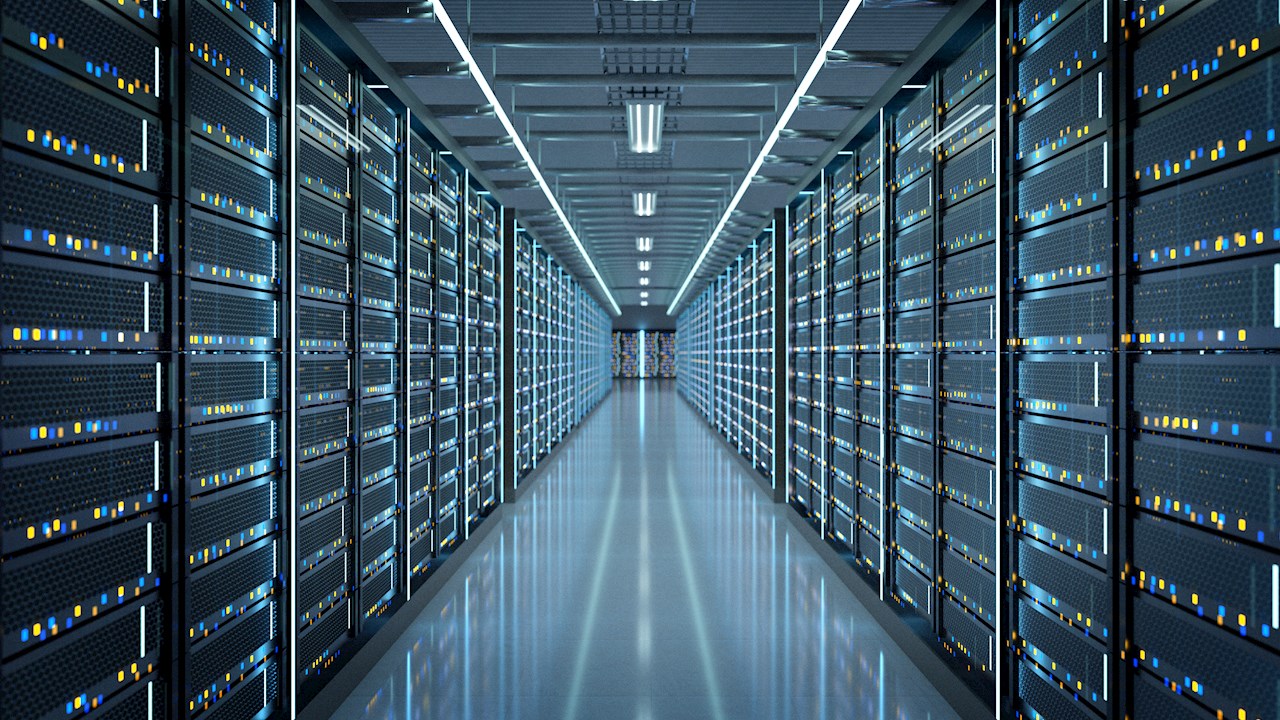
What makes networking processor activities so central to Nvidia’s growth? Nvidia SVP networking Gilad Shainer told “Globes” several months ago, “A few years ago we focused on a single processor, but today the perspective has shifted to the entire data center, that is, the facility where the servers that these and other chips are embedded are located. The facility is designed from the ground up as a single unit, and this is where the critical importance of connectivity between the chips and between data centers on different sides of the world comes in. Jensen Huang recognized this even then, and that is why he acquired Mellanox.
RELATED ARTICLES
Nvidia completes $7b acquisition of Mellanox
Nvidia acquires Israeli data co Illumex
Nvidia leases 11-floor building to expand Israel presence
Nvidia campus could transform Kiryat Tivon
“Unlike older data centers that served the cloud at most, the processing activity of AI requires not only multiple powerful GPUs, but also joint work between them and perfect synchronization to prevent a situation where chips that have finished their work are waiting for new information to process.”
The bottleneck in AI data centers today is not the number of GPUs embedded in them, but the memory limitations they present and the ability to process data at high rates. Nvidia seeks to solve these “bottlenecks” in the processing capabilities of the graphics chips by using networking switches, routers, and software that serve as highways and traffic lights for the data flowing in the data centers.
Published by Globes, Israel business news – en.globes.co.il – on February 26, 2026.
© Copyright of Globes Publisher Itonut (1983) Ltd., 2026.