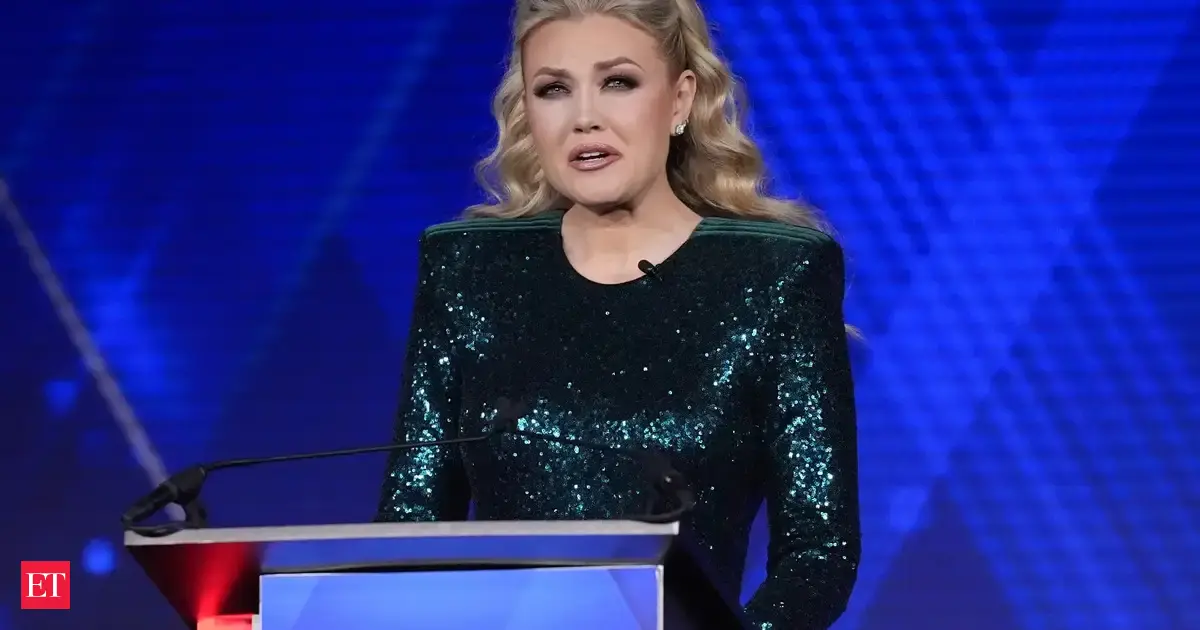
Speaking at the DealBook Summit in New York, Erika Kirk said her pain at losing Charlie Kirk had “morphed into a form of purpose that you see will outlive you,” and that realization offered her comfort.
“It puts into perspective that this isn’t about me, this isn’t about my life, this is about the legacy my husband left behind,” Kirk said. “But it’s also about how we’re fighting the good fight for our country.”Turning Point USA has continued to expand its network of chapters across American schools since Charlie Kirk’s assassination in September, and Erika Kirk on Wednesday subtly highlighted her own connections to political power, including with President Donald Trump and Vice President JD Vance, a close friend of her husband’s.
“Charlie was very good about creating and intentionally building a machine where it turns from founder-led to vision-led, and he shared everything with me,” Kirk said. “I knew his goals, I knew what his vision was for things, so this is not out of my orbit, this is not uncomfortable for me. It’s not, because I’m picking up a mantle that I understand.”
In her remarks, Kirk sought to portray her husband as a figure who promoted healthy debate, even though he had long faced criticism for derogatory and incendiary remarks. Kirk herself emphasized conciliation and constructive dialogue.
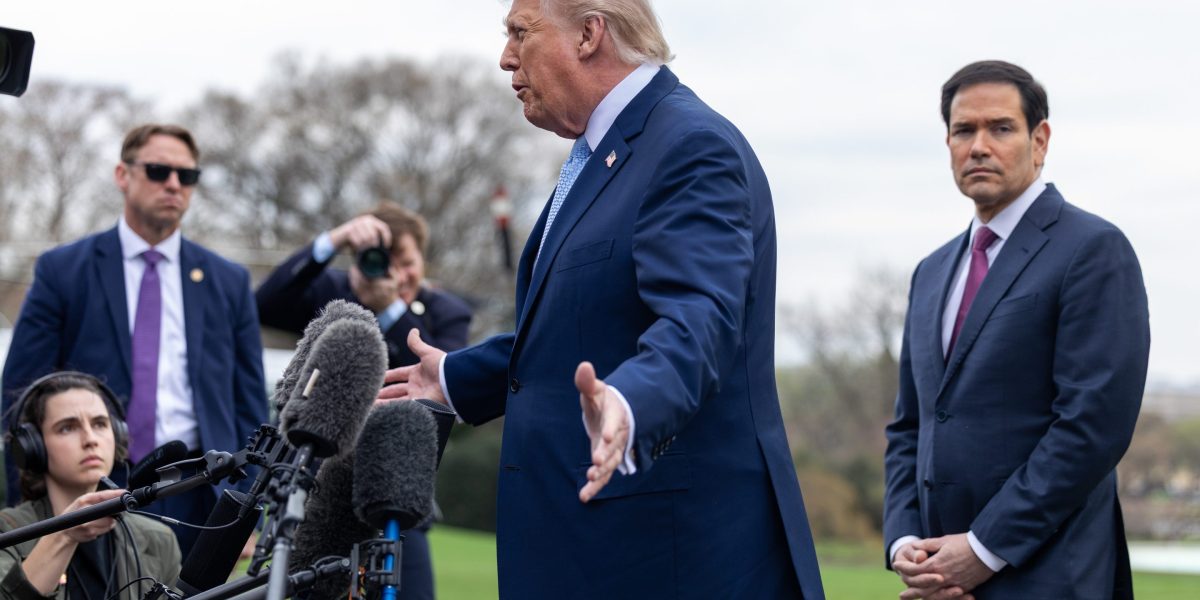
That included saying she disagreed with Trump, whom she called a “dear friend,” over his comments at Charlie Kirk’s memorial service saying he hated his enemies and couldn’t forgive them. (Trump’s comments came after Erika Kirk said at the service that she forgave the man accused of killing her husband and that “the answer to hate is not to hate.”)
While Kirk on Wednesday praised the Republican Party for having “a common thread of wanting to seek the truth,” she said that there was a lot of infighting — “shuffling and mixing up,” in her words — that was driving wedges in the party she and her late husband supported.
She also urged peaceful settlement of political differences. The way to push back against those with whom one disagrees, she said, was not “by murdering someone because they don’t believe what you believe.”
At her husband’s memorial service, Erika Kirk publicly forgave the man who killed him, and when asked Wednesday how she came to say so aloud, she acknowledged that she could have gone in “any direction” at that moment. She said that she had left that section of her speech open, and it was a decision she made at that “exact second to second” to publicly forgive the killer.
“For those of you who’ve been wronged, you know what it feels like to forgive someone and in a way where it frees you from a poison,” Kirk said, “and it frees you to be able to think clearly and have a moment where your heart is free, and you’re not bound to evil, and you’re not thinking emotionally, you’re thinking logically, because you’re free — you’re truly, truly free.”
Throughout her conversation with New York Times columnist Andrew Ross Sorkin, Kirk sought to burnish a softer image of her husband than was drawn by his critics, who had assailed him for making comments like trying to “eliminate wokeism,” calling Justice Ketanji Brown Jackson a “diversity hire” and accusing Jews of controlling universities and Hollywood.
She recalled a man who wrote her letters every Saturday and locked his phone away to focus on their children.
When asked about Charlie Kirk’s comments calling the Civil Rights Act of 1964 a “mistake,” she insisted, without elaboration, that his words were being taken out of context and that he was “trying to go after ideas, not people.”
Erika Kirk also repeatedly emphasized her beliefs, including her Christian faith and her support of the Second Amendment. When asked what she thought of Zohran Mamdani, the democratic socialist who is New York City’s mayor-elect, she said that she didn’t want young women in the city to “look to the government as a solution to put off having a family or a marriage.”
This article originally appeared in The New York Times.